Third-Party vs Native Lenses: When Tamron, Sigma, and Viltrox Win
Ten years ago, "third-party lens" meant compromise. Sigma and Tamron made capable budget glass, but autofocus was slower, build quality was obviously lower-tier, and native lenses from Canon, Nikon, and Sony were unambiguously superior for anyone who could afford them.
That gap has narrowed to the point where some third-party lenses now match or exceed their native equivalents in optical performance — at 30-50% less cost. The Sigma Art line competes directly with premium native glass. Tamron's zooms have become the default recommendation over native options in several categories. Viltrox produces fast primes that rival lenses at double the price. The question is no longer whether third-party lenses are "good enough" — it's which specific lenses are worth the native premium and which aren't.
Where Third-Party Lenses Win
Third-party manufacturers have consistent advantages in several categories. These are areas where buying native means paying more for equivalent or even inferior performance.
Budget fast primes. Viltrox has disrupted the prime lens market with lenses like the AF 50mm f/1.8 and AF 85mm f/1.8 for Sony E. These deliver 85-90% of the optical quality of native equivalents that cost 2-3x more. AF is fast enough for portraits and events. Build quality is the main sacrifice — plastic construction with basic weather resistance. For hobbyists and second shooters, the value is exceptional.
Supertelephoto zoom range. The Tamron 150-500mm f/5-6.7 Di III VC VXD (Sony E, Nikon Z) offers 500mm reach in a package that weighs under 1.8kg and costs a fraction of native super-telephoto options. The equivalent native lens in most systems either doesn't exist at this price point or weighs twice as much. For wildlife and birding photographers on a budget, this lens class is where third-party value is most pronounced.
All-in-one superzooms. The Tamron 18-300mm f/3.5-6.3 Di III-A VC VXD covers an absurd range in a single lens — now available for both Sony E-mount and Canon RF-mount. Canon's own RF-S superzoom lineup doesn't match the range, and Sony doesn't offer a native competitor. When one lens has to do everything (travel, family events, casual wildlife), third-party superzooms are often the only option at any price.
Where Native Lenses Still Justify the Premium
Despite third-party advances, native glass retains clear advantages in specific categories. These are the situations where the price premium buys real, measurable improvements.
Ultra-fast primes (f/1.2 – f/1.4). Canon's RF 50mm f/1.2L, Nikon's Z 50mm f/1.2 S, and Sony's FE 50mm f/1.4 GM represent the pinnacle of their respective systems' optical engineering. Third-party f/1.4 options exist (Sigma Art, Viltrox Pro), and they're optically strong, but the native lenses deliver tighter AF consistency at maximum aperture, better integration with eye-AF systems, and superior build quality. When shooting at f/1.2-1.4, the focus plane is millimeters thin — AF precision matters more here than at any other aperture.
Professional telephoto zooms. The Canon RF 70-200mm f/2.8L IS USM, Nikon Z 70-200mm f/2.8 VR S, and Sony FE 70-200mm f/2.8 GM II are purpose-built for professional event and sports work where AF tracking reliability under pressure is non-negotiable. Third-party 70-200mm f/2.8 options exist (Tamron 70-180mm G2, Sigma 70-200mm f/2.8 DG DN OS), and they're very good — but under challenging conditions (backlit subjects, erratic motion, dim venues), the native lenses' deeper integration with the camera's AF system provides a measurable reliability edge.
Specialty glass. Tilt-shift lenses, macro lenses with advanced optical formulas, and extreme wide-angle primes are areas where native manufacturers invest R&D that third parties rarely match. Canon's TS-R line, Nikon's Z MC 105mm f/2.8 VR S, and Sony's FE 14mm f/1.8 GM have no third-party equivalents that approach their performance.
Long-term firmware guarantee. When Canon releases new R-series bodies, RF lenses are guaranteed compatible on day one. Third-party lenses might need a firmware update — and until that update arrives, features like animal eye AF or subject recognition might not work. For professionals who buy new camera bodies regularly and need everything to work immediately, native glass removes this variable.

The Firmware Risk: Third-Party's Biggest Weakness
The most cited concern with third-party lenses isn't optics — it's compatibility over time. Camera manufacturers control the mount protocol and can change it with firmware updates. When Canon, Nikon, or Sony push a major firmware revision, third-party lens manufacturers must reverse-engineer the changes and issue their own updates.
This process typically takes weeks to months. During that window, your third-party lens might work perfectly, or it might lose access to certain AF features, show hunting behavior, or fail to initialize on startup. Major brands (Tamron, Sigma) are responsive and issue fixes quickly. Smaller brands (Meike, 7Artisans, Pergear) may take longer or not address all edge cases.
The practical risk is low but real. In a five-year lens ownership span, you might experience one or two firmware-related issues requiring a lens update. If you're shooting a paid job and a firmware update breaks your AF, that's a real problem. If you're a hobbyist shooting on weekends, it's a mild inconvenience. Weigh the risk against the 30-50% savings.
Mitigation: don't update your camera firmware the day it releases. Wait a week, check third-party lens manufacturer forums for compatibility reports, then update once you've confirmed everything works. This is standard practice among working professionals who mix native and third-party glass.
Brand-by-Brand Overview
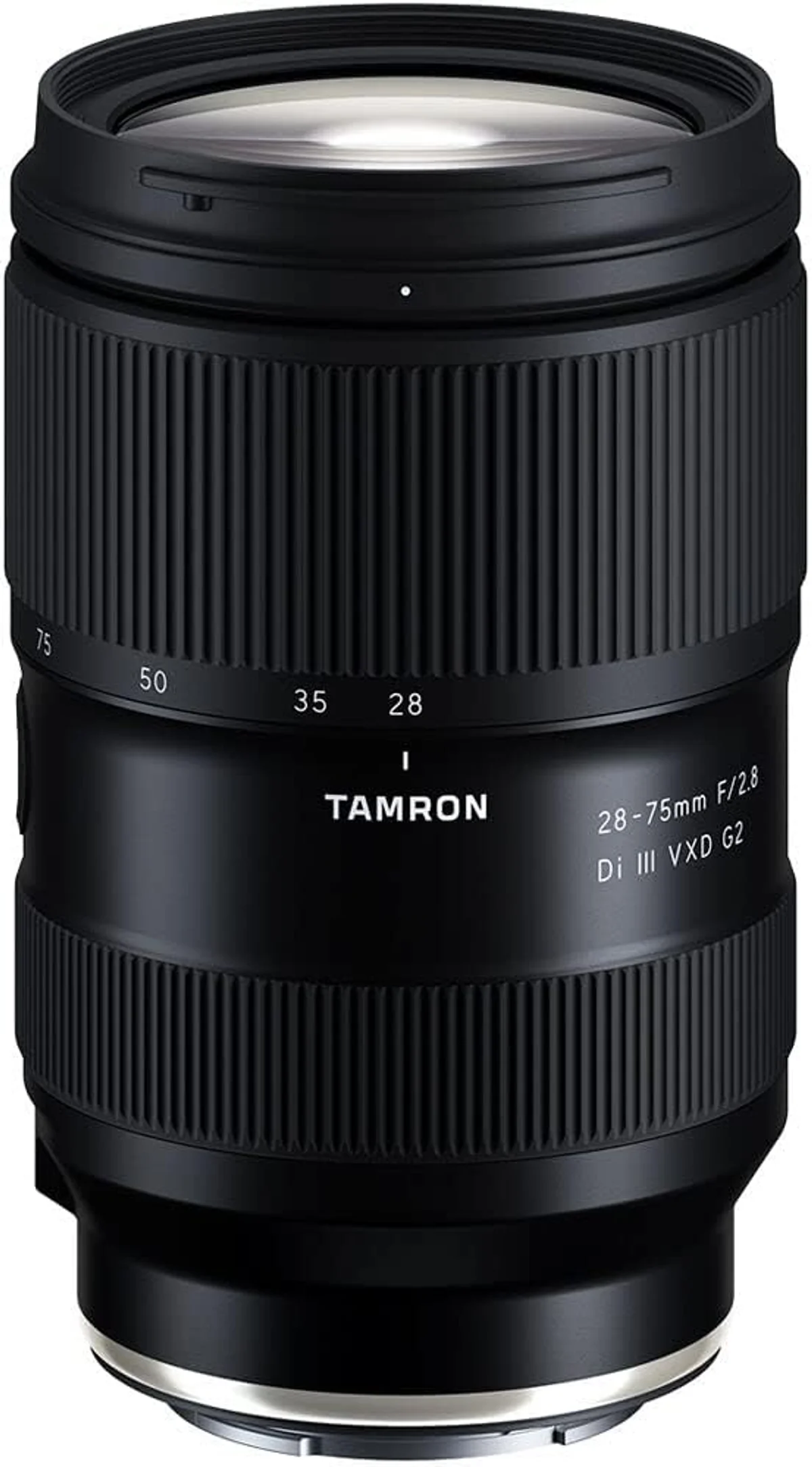
Tamron: The most consistent third-party lens manufacturer. Their Di III VXD lineup for Sony E-mount and Nikon Z offers professional-level optical quality at mid-range prices. AF speed via the VXD linear motor matches native performance in most conditions. Weather sealing is adequate for light rain and dust. The 17-28mm, 28-75mm, and 70-180mm f/2.8 trinity is often recommended over native zoom sets for cost-conscious professionals.
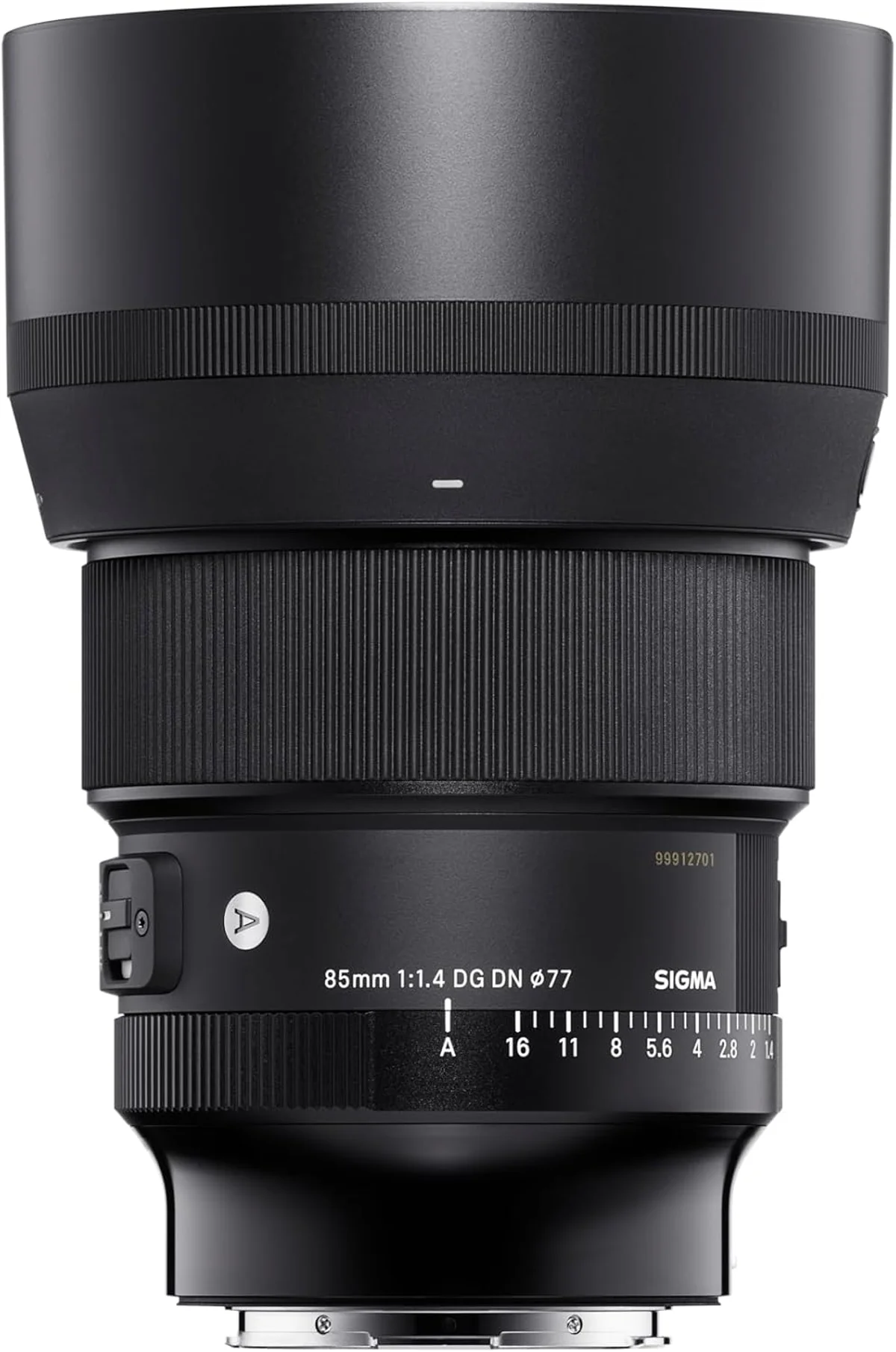
Sigma: Two tiers. The Art line competes at the premium level — the 35mm f/1.4 DG DN Art and 85mm f/1.4 DG DN Art are optically among the best lenses at any price. The Contemporary line prioritizes compactness and value. Sigma's DN lenses (designed for mirrorless from scratch) are uniformly better than their older DG equivalents that were adapted from DSLR designs. Sigma has recently committed to Nikon Z-mount native production, expanding their reach.
Viltrox: The budget disruptor. Their AF primes undercut everyone while delivering 85-90% of mid-range native optical quality. Build quality is the clear sacrifice — plastic housings, basic sealing, and occasional firmware quirks. Best for hobbyists, second bodies, and budget-first buyers who prioritize optical quality per dollar above all else.
Samyang/Rokinon: Known for affordable manual-focus primes and budget AF options. The AF 35mm f/1.4 FE and AF 85mm f/1.4 FE for Sony offer solid performance at aggressive prices. Build quality varies more than Tamron or Sigma. Good value but less consistent unit-to-unit than the brands above.
Resale Value: Native Holds, Third-Party Drops Faster
Native lenses retain 60-75% of their purchase price after 3-5 years. A Canon RF 50mm f/1.2L typically sells used for around two-thirds of its new price five years later. The prestige of native glass, combined with guaranteed compatibility, creates stable used-market demand.
Third-party lenses depreciate faster — typically retaining 40-55% after the same period. A Tamron 28-75mm f/2.8 G2 might sell used for around half what it cost new. New third-party models release frequently, pushing older versions down in price. The exception: Sigma Art lenses, which hold value better than most third-party glass due to their premium reputation.
If you plan to resell lenses as you upgrade, the effective cost difference between native and third-party narrows. Take a native lens that resells for two-thirds of its price and a third-party rival at under half the price that resells for half of it. The native lens still loses more, but the real cost gap shrinks to less than a fifth of the sticker gap. For photographers who rotate glass every 2-3 years, this matters more than the sticker price.
For photographers who buy and keep lenses for a decade or more (the "buy once, cry once" approach), total depreciation matters less than the upfront savings. A Tamron zoom that serves you well for eight years was a better investment than a native zoom costing more than twice as much that also served you well for eight years — assuming the optical and AF performance met your needs throughout.
The Compatibility Matrix: Which Third-Party Brands Work on Which Systems
Not every third-party manufacturer supports every mount. Here's the current state of native mount support (not adapted — actually manufactured for the mount):
- Sony E-mount: Tamron, Sigma, Viltrox, Samyang/Rokinon, Meike, Tokina, 7Artisans. The widest third-party selection of any mirrorless system.
- Nikon Z-mount: Tamron (growing lineup), Viltrox, Meike. Sigma has recently committed to Z-mount native production. Selection is expanding but still trails Sony E.
- Canon RF-mount: Tamron (limited but growing), Viltrox, Samyang. Canon initially restricted third-party access to RF specifications, and the ecosystem is still catching up. Sigma has not yet committed to RF-mount native production.
- L-mount (Panasonic/Leica/Sigma): Sigma (extensive Art and Contemporary lines), Tamron (limited), plus Panasonic and Leica native. The L-mount alliance was specifically designed for cross-manufacturer compatibility.
If third-party lens selection is a priority, Sony E-mount currently offers the most options. Nikon Z is the fastest-growing third-party ecosystem. Canon RF is the most restricted, though Viltrox and Tamron are making inroads. This picture shifts with each product cycle — check current lineups before making system-level decisions based on third-party availability.
The Smart Approach: Mix Native and Third-Party
The most cost-effective lens kit combines native and third-party glass based on where each delivers the most value. A practical example for a Sony E-mount wedding photographer:
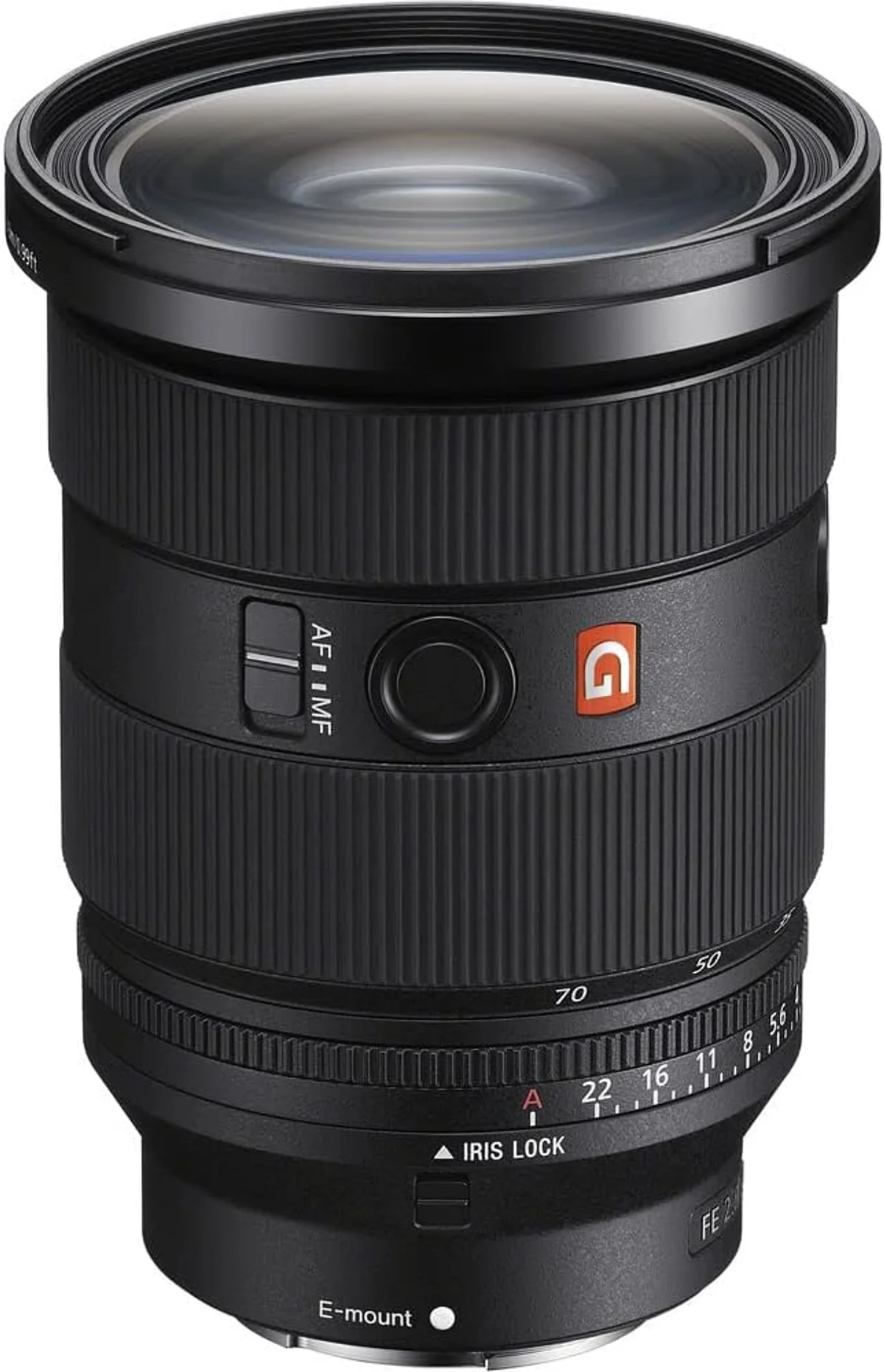
- Sony FE 70-200mm f/2.8 GM II (native): The ceremony and reception workhorse. AF tracking and reliability at long focal lengths justify the native premium — missing focus on the first kiss isn't recoverable.
- Tamron 28-75mm f/2.8 G2 (third-party): The standard zoom for getting-ready shots, group photos, and reception candids. Optical quality matches the Sony at a fraction of the price. AF is fast enough for these less demanding scenarios.
- Viltrox AF 85mm f/1.8 (third-party): The portrait prime for couple sessions and detail shots. Used in controlled conditions where AF speed matters less and shallow depth of field matters most. Saves hundreds over the Sony 85mm f/1.4 GM for a specific, defined role in the kit.
This three-lens kit covers professional wedding photography at roughly 40% less than an all-native equivalent. The native 70-200mm handles the most demanding AF situations; the third-party lenses handle everything else at full optical quality. The savings fund a backup body, lighting equipment, or simply more profitable shoots.
How to Evaluate a Third-Party Lens Before Buying
When considering a specific third-party lens, these checks help you assess whether it's a smart buy for your needs:
Check AF compatibility with your body. Read user reports from photographers using the exact same lens and body combination. AF performance can vary between camera generations — a Viltrox lens that works flawlessly on a Sony A7 IV might behave differently on an A7C II. Third-party manufacturer forums and DPReview (archived) threads are the best sources for real-world compatibility reports.
Check firmware update history. Visit the manufacturer's support page and look at how often they release lens firmware updates. Tamron and Sigma update regularly (every few months). A manufacturer with no updates in the past year may not be actively maintaining compatibility. This is a strong signal of long-term reliability.
Compare sample images at the same settings. Don't compare a third-party lens at f/2.8 against a native lens at f/1.4. Match the aperture, focal length, and subject distance. At equivalent settings, optical differences between modern third-party and native lenses are often smaller than marketing suggests. Sites like The Digital Picture offer interactive comparison tools for this exact purpose.
Read the 3-star reviews. Five-star reviews tend to be enthusiastic new buyers. One-star reviews tend to be defective units or user errors. The 3-star reviews from people who've used the lens for months capture the real strengths and limitations — AF quirks, ergonomic issues, and situations where the lens surprised them positively or negatively.
Factor in the return policy. Buy from retailers with generous return windows (Amazon 30-day, B&H 30-day). Test the specific copy you receive on your specific body in your typical shooting conditions. If AF isn't reliable enough for your needs, return it without penalty. No amount of online research replaces holding the lens and shooting your actual subjects.
Warranty and Service: What Happens When Things Break
Native lenses typically carry 1-year warranties with manufacturer-authorized service centers in most countries. Canon, Nikon, and Sony all offer professional repair programs (Canon Professional Services, Nikon Professional Services, Sony Pro Support) that provide expedited turnaround for working photographers. A native 70-200mm that develops a focus issue can often be serviced and returned within 5-10 business days through these programs.
Third-party warranty experiences vary. Tamron offers a 6-year warranty in the US — the longest in the industry — and has US-based service centers with reasonable turnaround times. Sigma provides a 4-year warranty with their own service centers. Viltrox and Meike warranties are typically 1 year, with service requiring shipping to Asia, which can mean 3-6 week turnaround for repairs. Samyang/Rokinon offers 1-year warranty coverage through authorized US distributors.
For professionals who cannot afford lens downtime, the service infrastructure gap is a legitimate consideration. Having a native lens repaired in a week versus a third-party lens repaired in a month can cost real revenue. The practical solution many professionals adopt: keep a third-party backup lens for the same focal length, so a service trip for either lens doesn't cancel a shoot.
For hobbyists and enthusiasts, warranty differences rarely affect the buying decision. Most modern lenses — native or third-party — run for years without needing service. The failure rates reported in large-scale user surveys (like Roger Cicala's data at LensRentals) show no systematic quality gap between major third-party brands and native glass. Individual units can be duds from any manufacturer.
One underappreciated advantage of Sigma and Tamron: both companies maintain USB docks (Sigma's USB Dock and Tamron's TAP-in Console) that let you update lens firmware at home without shipping the lens anywhere. Native lenses from Canon, Nikon, and Sony can only be firmware-updated through the camera body — which means you need the latest camera firmware installed first. For photographers who own older camera bodies, third-party lens firmware updates can be easier to apply than native updates that require a camera body firmware chain. This matters most when a new camera body launches and third-party manufacturers rush to patch AF compatibility — Sigma and Tamron typically ship updates within weeks of a new body release.
Third-Party Lens Questions
Answers to the most common questions about choosing between third-party and native camera lenses.
The biggest difference between these two lenses shows up in real-world shooting, not spec sheets.
Do third-party lenses void my camera warranty?
No. Using a third-party lens on your camera does not void the camera body's warranty. Camera manufacturers cannot restrict which compatible lenses you mount. If a third-party lens damages your camera (which is extremely rare with reputable brands), the camera repair would be covered under the lens manufacturer's liability, not your camera warranty.
Will third-party lenses get firmware updates for new camera bodies?
Major third-party manufacturers (Tamron, Sigma, Viltrox) release firmware updates to maintain compatibility with new camera body firmware. Tamron's Lens Utility app and Sigma's USB Dock make updating easy. Smaller brands (Meike, 7Artisans) are less consistent with updates. This is the main long-term risk of third-party glass.
Are Sigma Art lenses as good as native glass?
In many cases, yes. The Sigma 35mm f/1.4 DG DN Art and 85mm f/1.4 DG DN Art match or exceed their native equivalents in optical quality while costing 30-40% less. Sigma's Art line is specifically designed to compete at the highest optical tier. Where they sometimes lag: AF speed in edge cases, weather sealing comprehensiveness, and long-term firmware support.
Is Viltrox a reliable lens brand?
Viltrox has earned a reputation for sharp optics at aggressive prices. Their AF 50mm f/1.8 and AF 85mm f/1.8 for Sony E deliver optical performance competitive with lenses costing twice as much. Build quality is adequate rather than premium — plastic housings, basic weather resistance. AF accuracy has improved with recent firmware updates. For budget-conscious shooters, Viltrox offers genuine value.
Why are native lenses more expensive?
Camera manufacturers control the mount specification and electronic communication protocols. They can optimize lens-body integration more deeply — faster AF handshakes, more complete lens correction profiles, guaranteed compatibility with all body features. R&D costs are also higher because native lens lines must cover the full focal range. You're paying for tighter integration and a broader guarantee of compatibility.
Should I buy all native or all third-party?
Mix and match based on which lens matters most for each focal length. For critical lenses you use daily (your main zoom, your portrait prime), native glass ensures maximum AF reliability and body integration. For secondary lenses, specialty focal lengths, or budget-constrained additions, third-party options deliver excellent value without compromising your core kit.
Our Top Recommendation
Based on our research, the Tamron 28-75mm G2 (Sony) is our top pick — sony shooters wanting f/2.8 standard zoom without gm pricing.