Portrait Photography Lenses: Choosing Your Focal Length
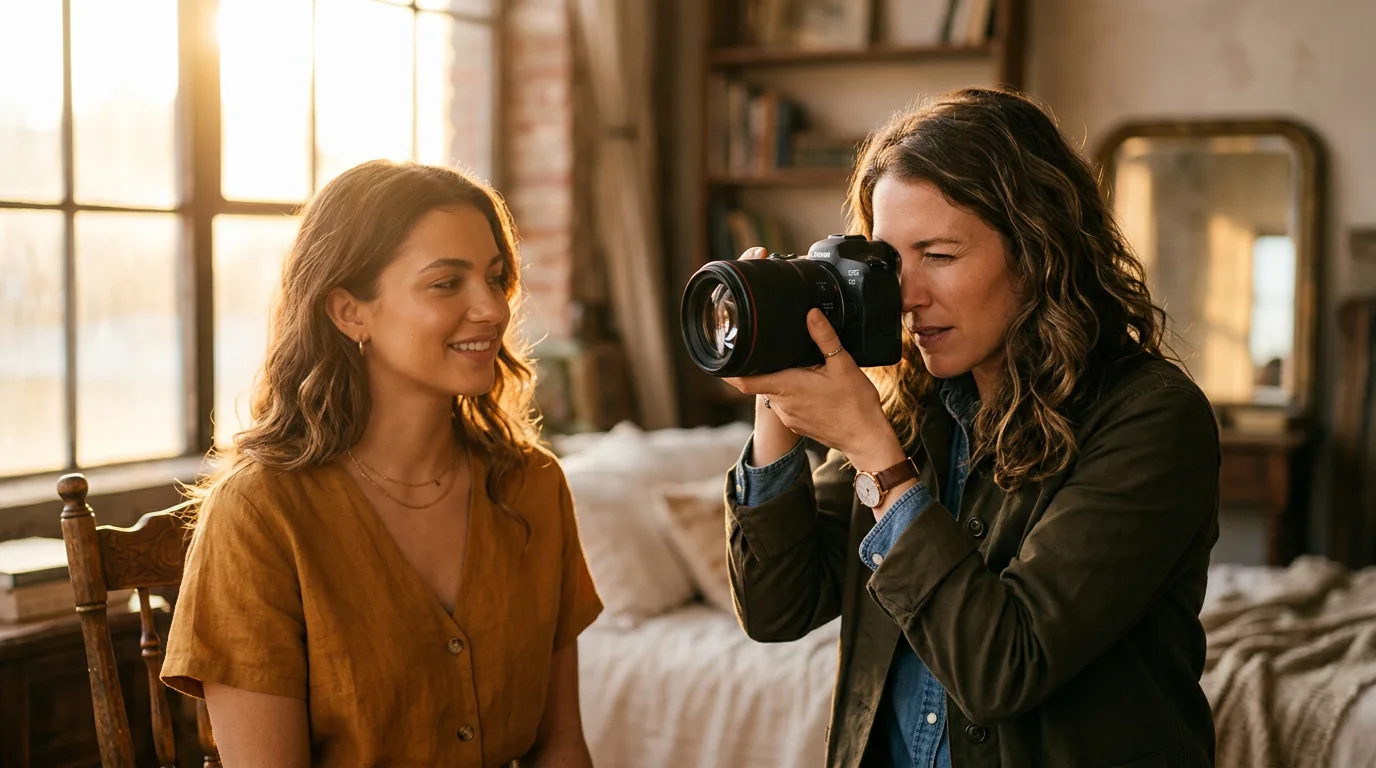
The 85mm f/1.4 is the default answer to "what lens should I buy for portraits?" — and it is a good answer. But it is not the only answer, and for many photographers, it is not even the right one. The best portrait focal length depends on how you shoot, where you shoot, and what kind of portraits you want to create. A headshot photographer working in a small studio faces different optical constraints than a lifestyle photographer capturing families in open fields.
We read Amazon owner reviews, professional sample galleries, and optical test data across portrait-capable lenses from 35mm to 200mm. This guide breaks down how focal length shapes face geometry, how aperture blade design affects background rendering, and why working distance matters as much as sharpness. We also cover the practical considerations that review sites rarely address — autofocus eye detection performance, skin tone rendering differences between lens brands, and why group portraits demand a fundamentally different lens strategy than solo headshots.

Focal Length and Facial Perspective: The Physics You See in Every Shot
Focal length does not distort faces. Distance does. But focal length determines the distance you must stand at to fill the frame, and that distance shapes how three-dimensional features project onto a flat sensor. The result is the same: a 24mm headshot looks unflattering, an 85mm headshot looks natural, and a 135mm headshot looks compressed. Understanding why helps you make deliberate creative choices instead of following rules blindly.
At 35mm, framing a head-and-shoulders portrait puts you roughly 0.7 meters from the subject. At that distance, the nose sits measurably closer to the lens than the ears — maybe 15-20% closer, depending on the face. The lens faithfully records that physical reality: the nose appears larger, the ears smaller, and the overall face shape stretches forward. It is not distortion in the optical sense. It is accurate perspective rendering that most people find unflattering for tight crops.
Step back to frame the same composition at 85mm and you stand about 2 meters away. Now the nose-to-ear distance is a trivial fraction of the total camera-to-subject distance — maybe 4%. Facial features compress into proportions that match how we perceive faces in normal conversation. This is why 85mm became the portrait standard. Not because the glass does something magical, but because the working distance produces perspective that viewers read as "correct."
At 135mm, you stand 3 meters or more away for the same framing.
Features flatten further. Noses look slightly shorter, faces slightly wider. The effect is subtle compared to the 50mm-to-85mm jump, but it produces a look that many fashion and beauty photographers prefer — a smooth, almost graphical rendering of the face. The cost is a working distance that makes verbal direction difficult without raising your voice, and a depth of field so thin at f/2 that one eye can fall out of focus while the other stays sharp.
A 200mm lens pushes this compression further still. Portrait photographers who shoot at 200mm do so deliberately — for the specific aesthetic of extreme background compression that stacks distant elements tight against the subject. The working distance of 4-5 meters or more makes it a poor choice for intimate sessions but a strong one for outdoor portraits where you want a distant treeline or city skyline pulled close behind the subject.
Aperture, Bokeh Quality, and Background Separation
A fast aperture separates the subject from the background. That much is obvious. The quality of that separation — the texture and character of the out-of-focus areas — varies enormously between lenses, and it depends on factors that spec sheets do not capture well.
Aperture blade count and blade shape determine how point light sources render when defocused. A lens with 9 rounded blades produces soft, circular bokeh balls. A lens with 7 straight blades produces heptagonal shapes that some photographers find clinical. At maximum aperture, this distinction disappears because the opening is perfectly round regardless of blade count. The blade shape only matters when you stop down — at f/2, f/2.8, or f/4, where the partially closed aperture reveals its geometry in every out-of-focus highlight.
Cat's eye bokeh is the elongation of bokeh circles toward the frame edges. It is caused by mechanical vignetting — the rear elements physically clip the light cone at oblique angles. Some degree of cat's eye is normal in fast lenses and adds a swirly, directional quality to backgrounds that many portrait photographers find appealing. Heavy cat's eye, where circular highlights become narrow slits in the corners, can look distracting. Stopping down by half a stop typically reduces the effect.
Onion ring artifacts — concentric rings visible inside bokeh circles — come from aspherical lens elements. Modern fast primes rely on aspherical elements to correct spherical aberration and maintain sharpness at wide apertures. The manufacturing process leaves microscopic surface ridges that imprint on out-of-focus highlights. Lenses with molded aspherical glass tend to show more onion ring than those with precision-ground elements. This is one area where spending more often buys a measurable optical difference, because premium lenses typically use higher-grade aspherical elements with smoother surfaces.
Background distance matters as much as aperture for achieving clean subject separation. An 85mm f/1.8 with the subject 10 meters in front of a brick wall will show texture and detail in that wall. The same lens with the subject 30 meters in front of the same wall turns it into an indistinct color wash. Before investing in a faster lens for better blur, try positioning your subject farther from the background. Free and often more effective.
The 35mm Portrait: Environmental Storytelling
A 35mm lens is not a conventional portrait choice, but it is an underrated one for photographers who want to show the subject within a space. Environmental portraits — a chef in a kitchen, a musician in a practice room, an athlete on a field — depend on context. A tight 85mm headshot strips that context away. A 35mm preserves it while still keeping the subject as the clear focal point of the frame.
The key to flattering 35mm portraits is framing. Full-body and three-quarter compositions eliminate the close-range facial distortion that makes wide-angle headshots unflattering. Keep the subject's face in the center third of the frame to avoid the stretching that wide-angle lenses apply to the edges. And shoot at f/2 or wider to separate the subject from a background that will carry more detail than it would at 85mm.
Street portrait photographers and documentary shooters often work exclusively at 35mm. The focal length matches the way the human eye perceives a scene — wide enough to include surroundings, narrow enough to exclude distractions. It forces the photographer to engage with subjects at conversational distance, which produces more natural expressions than the telephoto approach of shooting from across the street. This proximity is the 35mm's greatest strength and its most demanding requirement: you must be comfortable being close.
The 50mm Middle Ground
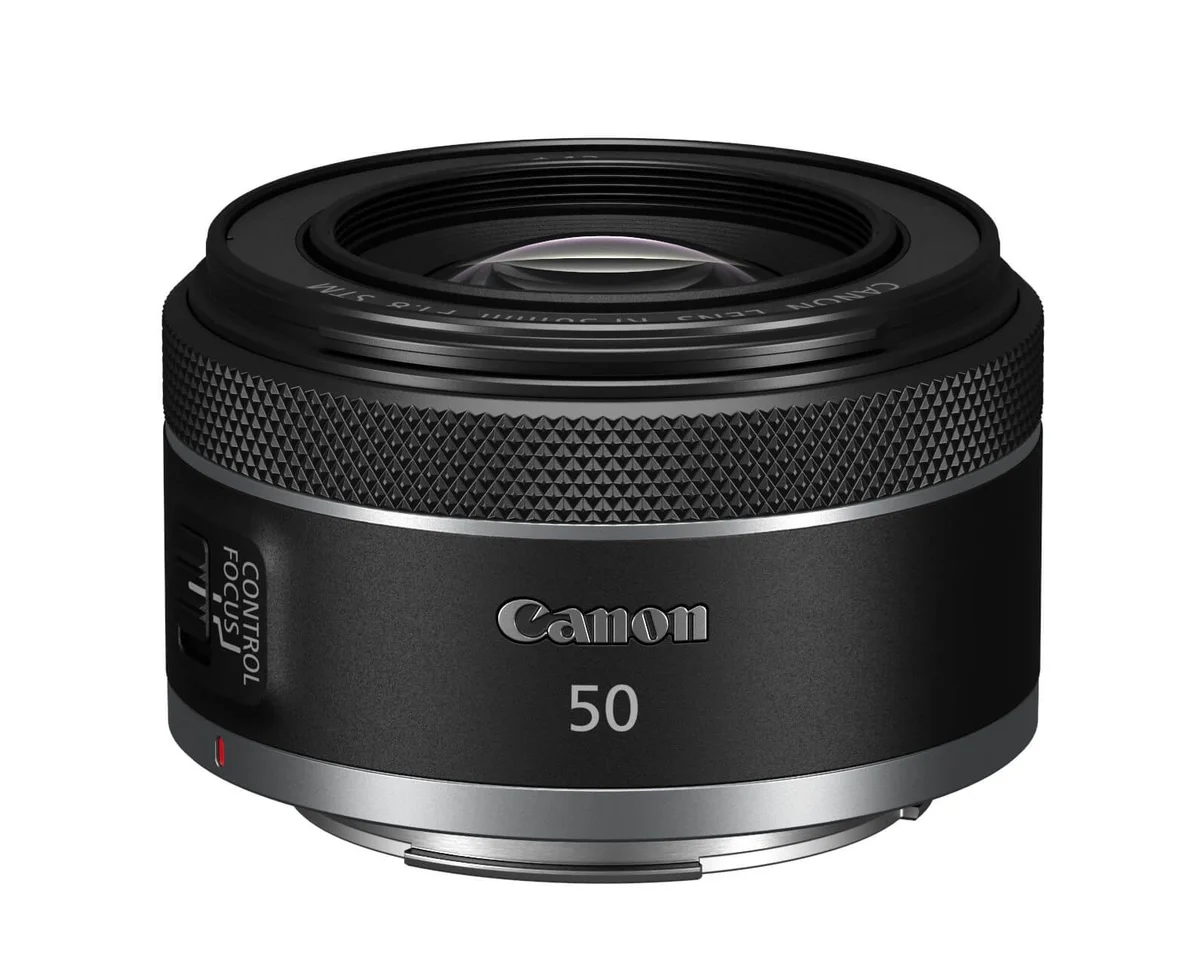
The 50mm prime occupies an awkward spot in portrait photography discussions. Too narrow for environmental work, not compressed enough for beauty headshots — it sits between the 35mm's storytelling strength and the 85mm's flattering perspective. And yet, more professional portrait photographers carry a 50mm than any other focal length, because it does everything acceptably well.
At portrait distances, a 50mm at f/1.4 or f/1.8 produces noticeable background blur without the paper-thin depth of field of an 85mm at the same aperture. You get about 1.5 meters of working distance for a half-body shot — close enough for natural interaction, far enough that perspective stays neutral. Facial proportions at 50mm are slightly less compressed than at 85mm, giving portraits a more candid, less "studio" quality that many clients prefer for lifestyle and family work.
The 50mm f/1.8 is also the most affordable fast prime in every lens mount. Canon, Nikon, and Sony each offer a 50mm f/1.8 in the budget tier — our Canon RF vs EF 50mm comparison shows how much the RF upgrade improves on the classic. It is the logical first portrait lens for photographers upgrading from a kit zoom. Its limitations are real — moderate background separation, visible field curvature in some designs, less flattering perspective for tight headshots — but its price-to-image-quality ratio remains unmatched in the portrait category.
Group portraits at 50mm work well when you cannot back up far enough for an 85mm to cover four or five people in a single frame. At f/4 to f/5.6, a 50mm holds focus across a row of faces while still softening the background enough to maintain clean compositions. It is the focal length that adapts when space is limited and subjects are many.
85mm: Why It Became the Portrait Standard
The 85mm prime earns its reputation on three qualities that converge at no other focal length. Perspective compression that flatters without flattening. Working distance that feels comfortable for both photographer and subject — close enough to direct poses verbally, far enough that the camera does not feel invasive. And at f/1.4 or f/1.8, background blur that isolates a subject from nearly any environment.
In practical use, an 85mm at f/1.8 on a full-frame sensor produces a depth of field of about 5 centimeters at headshot distance.
Both eyes stay sharp only if they sit in the same focal plane — turn the subject's head 30 degrees and the far eye drifts soft. This is the tension every 85mm portrait photographer manages: the blur that makes the lens appealing is also the blur that punishes sloppy focus. Modern eye-detect autofocus has largely solved this, locking onto the near eye with tracking precision that manual focus and older contrast-detect systems could not match.
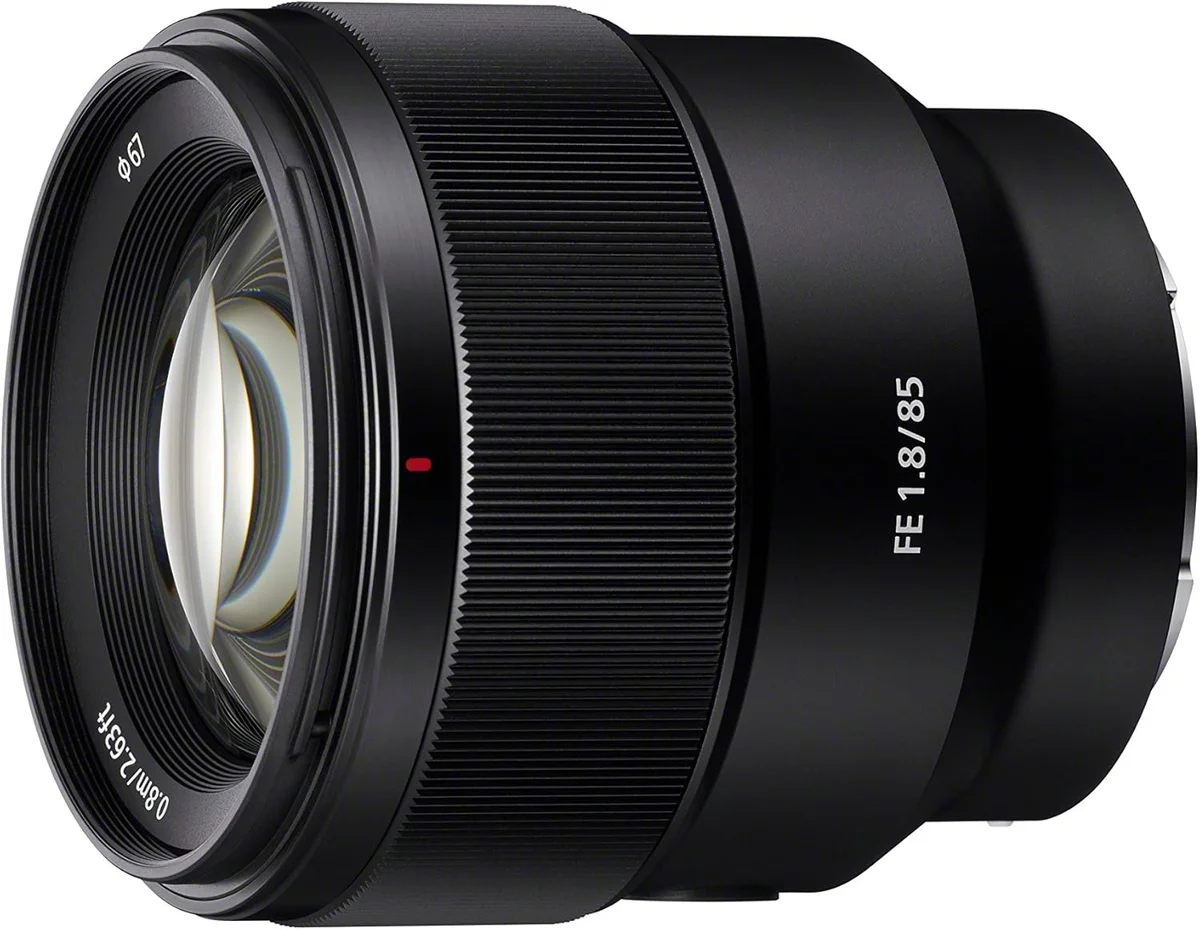
Skin tone rendering at 85mm varies between lens brands more than most photographers realize. Canon's RF 85mm f/1.2L and f/2 Macro IS produce warm, slightly rosy skin tones that flatter without aggressive color correction. Nikon's Z-mount 85mm options tend toward neutral-to-cool rendering that pairs well with daylight white balance. Sony's FE 85mm lineup leans warm but with stronger contrast. These are tendencies, not rules — color grading in post dominates final output — but photographers who shoot JPEG or apply minimal editing notice the differences.
For studio work with strobes, the 85mm provides enough working distance to keep the photographer out of the light pattern. A strobe and modifier positioned 45 degrees off-axis to the subject will not be blocked by a photographer standing 2 meters back with an 85mm. Move to 50mm and the photographer steps forward into the shadow zone, complicating lighting setups. This practical studio geometry is another reason the 85mm dominates commercial headshot work.
The 135mm Specialist: Maximum Compression, Minimum Depth
A 135mm f/1.8 or f/2 is the portrait lens for photographers who have already owned an 85mm and want more. More compression. More background blur. More subject isolation. The 135mm takes every quality that makes 85mm popular and amplifies it, at the cost of a working distance that changes the photographer-subject dynamic.
At 3 to 4 meters for a headshot, verbal direction becomes awkward. You cannot reach over to adjust a collar or reposition a strand of hair without walking forward. The physical separation creates a more formal shooting dynamic — suited to fashion, editorial, and controlled studio environments, less suited to relaxed lifestyle sessions where casual interaction keeps subjects at ease.
Background compression at 135mm stacks distant elements behind the subject in a way that shorter focal lengths cannot replicate. A row of trees 50 meters behind the subject appears as a dense, blurred curtain. A city skyline at 200 meters fills the background with recognizable but soft shapes. This compression is the creative tool that justifies the 135mm for outdoor portrait specialists — it turns ordinary backgrounds into dramatic backdrops without requiring a studio.
Depth of field at 135mm f/1.8 is roughly 2 centimeters at headshot distance. The bridge of the nose can be sharp while the ears fall to soft blur. This extreme shallow depth makes the 135mm a high-precision instrument — eye-detect AF is not optional, it is a prerequisite. Photographers who work at 135mm f/1.8 on cameras without reliable eye tracking report focus hit rates below 60%. On a modern mirrorless body with strong eye-detect, that number climbs above 90%.
Indoor Portraits: Light, Space, and Aperture Constraints
Indoor portrait environments impose two constraints that outdoor sessions rarely face: limited light and limited space. A living room, a small studio, or a coffee shop restricts how far you can stand from the subject, which limits your usable focal length range. And ambient light indoors typically runs 2 to 4 stops dimmer than open shade outdoors, which pushes ISO higher or demands wider apertures.
In a room that is 4 meters deep, an 85mm barely fits a headshot composition with the photographer pressed against the far wall. A 50mm produces a comfortable half-body frame from the same position. A 35mm captures a full-body environmental portrait. Space dictates focal length more than preference does in tight interiors.
Window light is the most common indoor portrait source, and it rewards wide apertures differently than artificial light. The soft, directional quality of window light creates gradual falloff across the face — broad lighting from a large window, or Rembrandt patterns from a narrow one. A lens at f/1.8 renders this falloff with smooth tonal transitions, while an f/4 lens records enough depth of field to sharpen background elements that compete with the subject. For window-light portraits without flash, f/2 or wider is the practical floor.
Studio strobes change the aperture equation entirely.
With 200-400 watt-seconds of flash power and a modifier, you can shoot portraits at f/8 or f/11 — apertures where nearly any lens produces sharp results and depth of field covers the entire face with margin to spare. Studio photographers choose portrait lenses for rendering character — color, microcontrast, bokeh quality when shooting at wider apertures for selective focus — not for light-gathering speed. A manual-focus 85mm f/1.4 with distinctive rendering may be preferable to a technically superior modern autofocus lens if the goal is a specific visual look.
Sync speed matters when combining strobe light with ambient exposure.
Most cameras sync at 1/200 or 1/250 second. If you need to overpower bright ambient light — shooting near a window on a sunny day and wanting the strobe to dominate — you need high-speed sync (HSS) capability, which reduces effective flash power. Alternatively, a lens with a built-in ND filter or stopping down to f/8 keeps shutter speed within normal sync range. This interaction between flash sync, ambient light, and lens aperture is the technical puzzle that defines indoor portrait lighting.
Outdoor Portraits: Working Distance and Background Control
Outdoor portraits offer unlimited space and abundant light — two advantages that shift lens priorities. With no walls constraining your distance, longer focal lengths become practical. With full sun or open shade providing ample exposure, aperture speed matters less for light gathering and more for creative depth of field control.
Background selection is the single most impactful decision in outdoor portraiture, and focal length determines how much of the background you include.
At 85mm, a 2-meter-wide tree trunk 20 meters behind the subject fills most of the frame. At 35mm from the same position, that trunk is a small element in a wide scene that includes parking lots, other people, and distractions. Longer focal lengths give you tighter control over exactly which background elements appear in the frame, which is why outdoor portrait specialists gravitate toward 85mm and beyond.
Golden hour and late afternoon light create the most sought-after outdoor portrait conditions — warm color temperature, low angle that models facial contour, and backlighting that rims hair and shoulders with light. A fast lens at f/1.4 or f/1.8 turns backlighting into large, creamy bokeh circles that fill the background with warm luminance. Stopping down to f/4 renders those same backlit highlights as small, defined points. Neither is objectively better — it is a stylistic choice — but the option requires a fast aperture.
Wind is the outdoor variable that no review mentions.
Long hair, loose fabric, and light accessories move unpredictably in even light breeze. A lens with fast, accurate autofocus tracking handles the constant small adjustments as hair crosses the subject's face. Older lenses with slower focus motors — or manual focus lenses — require the photographer to time shots between gusts or accept more frames lost to hair across the eyes. Eye-detect AF systems on current Sony, Canon, and Nikon mirrorless bodies manage this better than any previous generation of cameras, but the lens must respond fast enough to keep pace with the tracking commands.
Group Portraits: Depth of Field Becomes the Priority
Everything changes with two or more subjects. The razor-thin depth of field that makes an 85mm f/1.4 stunning for solo portraits becomes a liability when two people stand at slightly different distances from the camera. A depth of field of 5 centimeters will not cover both faces if one person is 10 centimeters closer.
For groups of two to three, stopping down to f/2.8 or f/4 at 85mm usually provides enough depth. Have subjects align their faces in a similar plane — both facing the camera squarely, or both at the same angle — and f/2.8 holds both sharp while still softening the background. If subjects are staggered in depth (one behind the other), f/4 or f/5.6 is safer.
Groups of four to eight require f/5.6 to f/8 and often a wider focal length. At 50mm and f/5.6, you can photograph a family of five in two loose rows with every face sharp and a gently softened background. At 85mm you would need to stand so far back that verbal direction becomes difficult and physical obstacles (walls, hedges, other people) start limiting your position.
Large groups — wedding parties, sports teams, corporate headshot sets of 10 or more — push the lens choice toward 35-50mm at f/8 or narrower. Depth of field must extend deep enough to cover three or four rows of faces. Background blur is no longer part of the creative equation; sharp coverage from front row to back row is the only goal. A 24-70mm zoom at f/8 is the workhorse for this type of work because it lets you adjust framing for groups of varying sizes without repositioning.
Autofocus Eye Detection: The Feature That Changed Portrait Shooting
Before eye-detect autofocus, portrait photographers used center-point focus and recomposed. Lock focus on the near eye, hold the shutter half-pressed, tilt the camera to the desired composition, and shoot. This technique works, but the act of recomposing shifts the focal plane slightly — especially at wide apertures where the depth of field is measured in centimeters. At f/1.4, even a small body rotation during recompose could move the focus plane from the eye to the ear.
Modern eye-detect systems on mirrorless cameras eliminated this problem. The camera identifies the subject's eye and tracks it across the frame, refocusing continuously as the subject moves, the photographer recomposes, or both. At f/1.4 and f/1.8, this tracking converts a hit rate of 70-80% (with focus-recompose) into 90-95% (with continuous eye tracking). For professional portrait photographers delivering hundreds of images per session, that 15-20% improvement in keepers translates directly into faster culling and more consistent galleries.
Lens autofocus motor type affects eye-detect performance. Linear motors (Sony XD Linear, Canon Nano USM, Nikon STM/stepping) respond to the camera's tracking updates faster and more smoothly than older ring-type ultrasonic motors. A fast lens on a camera with excellent eye-detect will still underperform if the lens motor cannot keep pace with the tracking commands. This is one reason newer lens designs often outperform optically identical predecessors — the internal motor and firmware were engineered for the demands of continuous tracking.

Skin Tone Rendering and Color Character
Two lenses with identical sharpness, contrast, and aperture can produce noticeably different skin tones on the same subject in the same light. This color character — sometimes called lens "signature" or "rendering" — comes from coating formulations, glass elements, and internal flare management that vary between manufacturers and even between generations of the same product line.
Canon's L-series and RF portrait lenses tend toward warm, slightly rosy skin tones with reduced microcontrast that softens pore-level detail without reducing overall sharpness. Many portrait photographers describe this as "ready to deliver" straight from camera with minimal color grading. Nikon's Z-mount portrait lenses lean neutral-to-cool, with higher microcontrast that reveals skin texture more aggressively — an advantage for beauty and fashion work where retouching is expected. Sony's GM and G-series lenses fall between these poles, generally warm but with stronger midtone contrast.
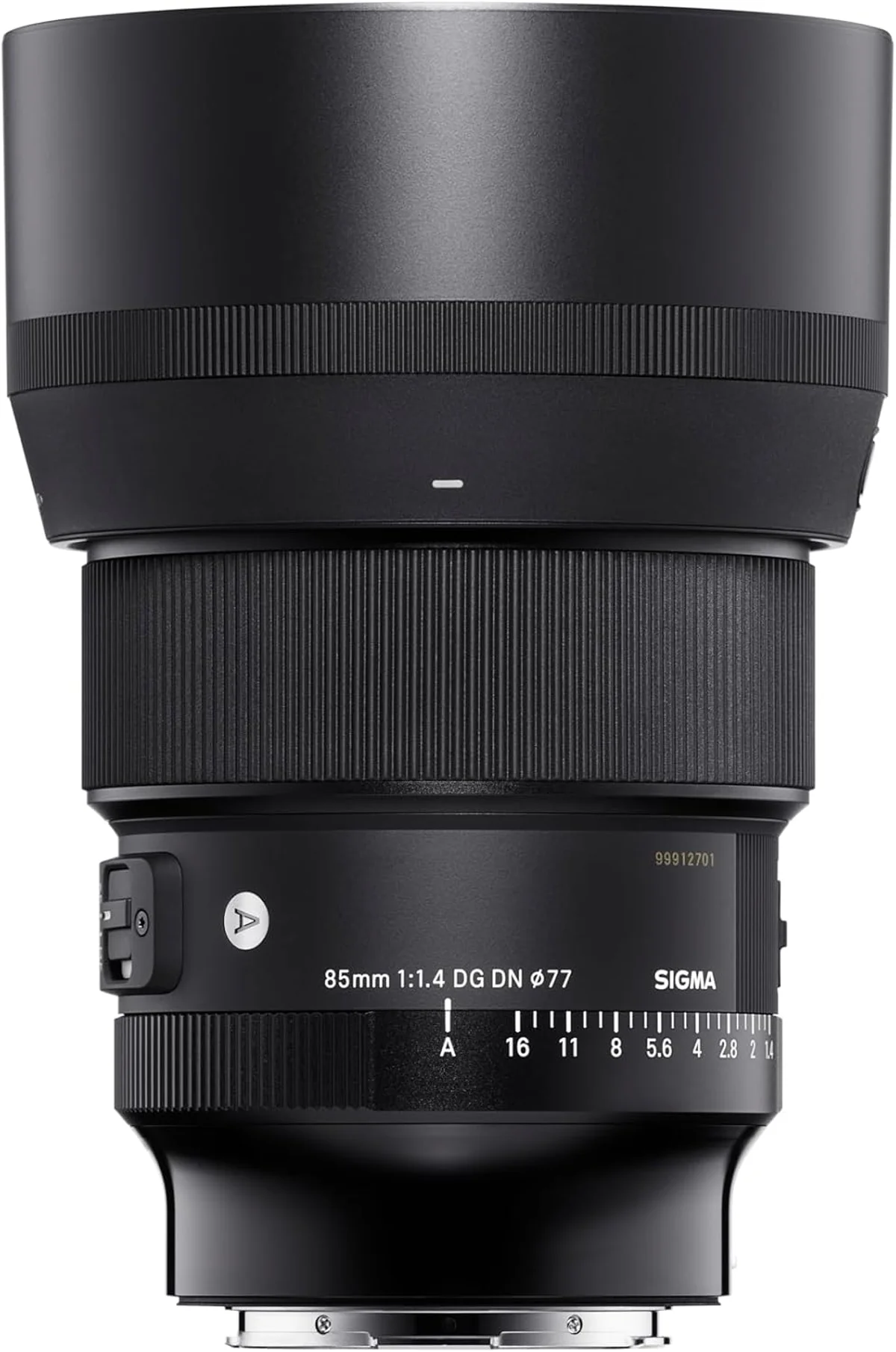
Third-party portrait lenses from Sigma (the Art series), Viltrox, and Samyang tend toward neutral renderings with high contrast — our third-party lens roundup ranks the best options. The Sigma 85mm f/1.4 Art produces sharper, more clinical images than any native 85mm — which is a strength for scenic and architecture work but can require softening adjustments for portrait skin. Context matters: a lens that a nature photographer calls "tack sharp" is the same lens that a portrait photographer calls "unforgiving on skin."
Color character is secondary to lighting and white balance in determining final skin tone output. A cheap lens in perfect golden-hour light will produce more flattering skin than one costing ten times as much under harsh overhead fluorescents. If your portraits consistently show unpleasing skin, the lens is usually not the variable to change first. Evaluate your light direction, white balance settings, and exposure before blaming the glass.
Building a Portrait Lens Kit by Budget
A portrait photographer's lens kit should expand based on real shooting needs, not theoretical coverage gaps. Start with the single lens that addresses your most common portrait scenario and add glass only when a specific job or creative goal demands it.
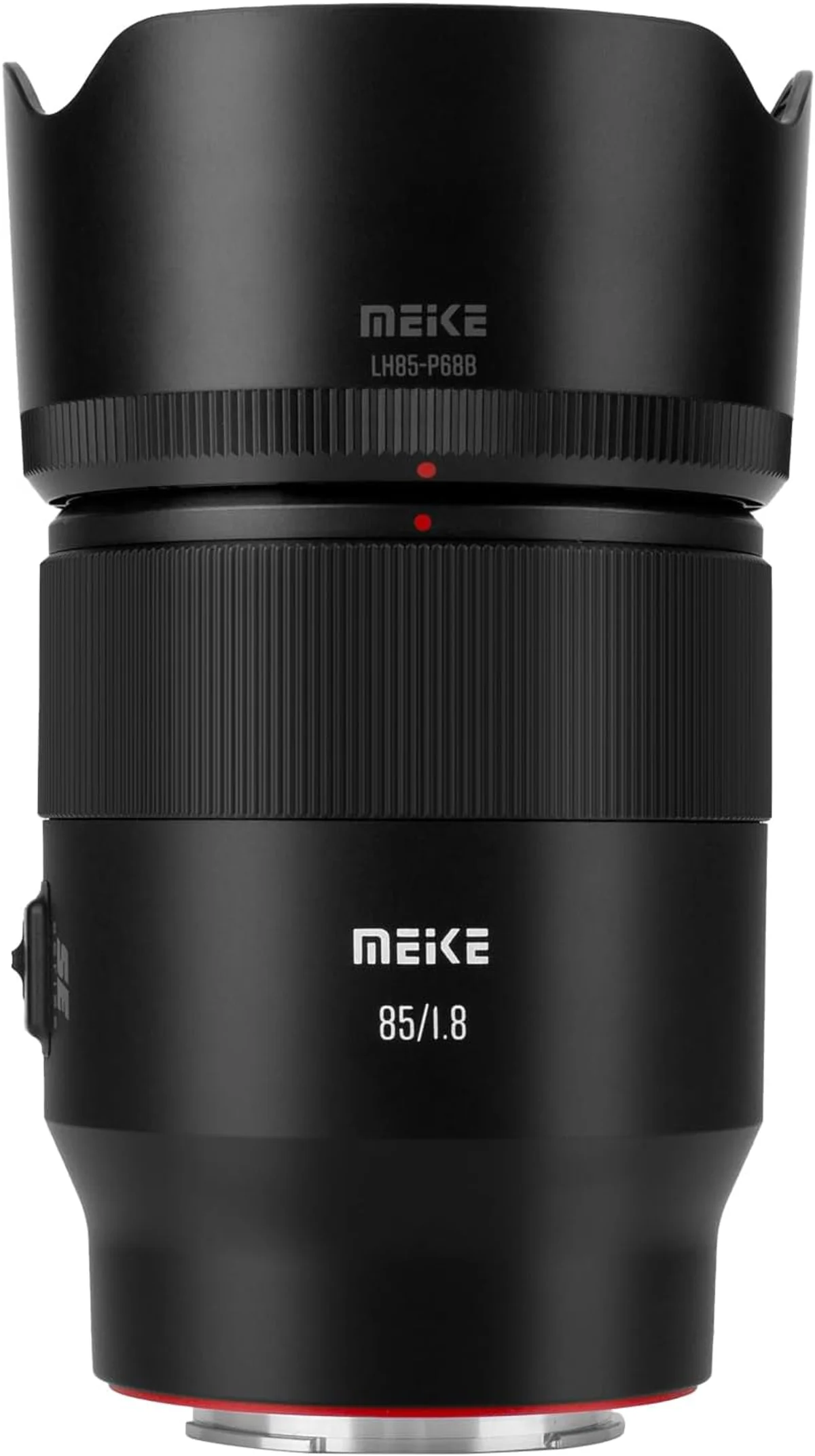
Starting point (one lens): An 85mm f/1.8 in your mount covers studio headshots, outdoor portraits, and lifestyle sessions. Every major manufacturer offers one in the budget to mid-range tier, and every third-party maker has a competitive option — our Viltrox 50mm f/1.4 vs Meike 85mm f/1.8 comparison highlights two affordable choices. This single lens handles 70-80% of portrait work. If most of your shooting happens indoors in tight spaces, substitute a 50mm f/1.8 — less background separation but more spatial flexibility.
Two-lens kit: Add a 35mm f/1.4 or f/1.8 to the 85mm. The 35mm covers environmental portraits, full-body compositions, and indoor work where space limits your backing distance. Switching between 85mm and 35mm produces immediate visual variety within a single session — tight headshots alternating with wide environmental frames — without needing a zoom.
Three-lens specialist kit: Add a 135mm f/1.8 or f/2 to the pair above. This is the kit of a photographer who shoots portraits primarily and wants maximum creative range. The 35mm tells the story, the 85mm flatters the subject, and the 135mm compresses backgrounds and produces the heaviest blur. Each focal length delivers a distinct look that justifies carrying the weight.
All-purpose alternative: A 70-200mm f/2.8 replaces both the 85mm and 135mm primes for photographers who also shoot events, sports, or weddings and need zoom flexibility. You give up maximum aperture — f/2.8 versus f/1.4-f/1.8 — meaning less background blur and less low-light capability. For photographers who split time between portrait and non-portrait work, the 70-200mm earns its place through sheer range.
Portrait Lens Questions Photographers Ask
Answers to the focal length, bokeh, and technique questions that come up most in portrait work.
What focal length is best for portraits?
The 85mm focal length is the most popular choice for dedicated portrait work. It compresses facial features just enough to flatter most face shapes, provides strong background separation at wide apertures, and gives a comfortable working distance of about 2 to 3 meters for a head-and-shoulders shot. A 50mm works well for half-body and environmental portraits but shows slightly more perspective distortion on close headshots. A 135mm produces the strongest compression and creamiest bokeh of any common portrait focal length, but its narrow field of view and long working distance make it impractical in small spaces.
Do I need an f/1.4 lens for portrait photography?
No. An f/1.8 lens produces excellent background blur for most portrait scenarios, and many photographers shoot portraits at f/2 to f/2.8 anyway for sharper eye detail and more forgiving depth of field. The jump from f/1.8 to f/1.4 adds roughly two-thirds of a stop of light and slightly more blur, but it also doubles or triples the price in most lens lineups. If you shoot indoors without flash in dim rooms, f/1.4 helps. For outdoor portraits, park and golden-hour sessions, f/1.8 is more than adequate.
Can I shoot portraits with a zoom lens?
Yes. A 70-200mm f/2.8 at 85-135mm produces portrait-quality background blur and gives you the flexibility to adjust framing without moving your feet — useful for full-length, half-body, and headshot compositions in a single session. The downside is size and weight: a 70-200mm f/2.8 typically weighs 1.3 to 1.5 kilograms, compared to 400-600 grams for an 85mm prime. An f/4 zoom can work for outdoor portraits where you have plenty of light, but it will not match the subject separation of a faster lens.
Why do my portraits look distorted at 24mm or 35mm?
Wide-angle lenses exaggerate the relative size of objects close to the camera versus objects farther away. When you shoot a headshot at 24mm from close range, the nose appears larger relative to the ears, the forehead stretches, and the jawline narrows. This is perspective distortion, not a lens defect — it happens because you are very close to the subject, not because the focal length is inherently unflattering. At 35mm, moving back to frame a full-body or three-quarter shot eliminates most of this effect. The rule of thumb: wider lenses work for environmental portraits where you show context, but pull back from tight face crops.
How does aperture blade count affect portrait bokeh?
The number and shape of aperture blades determine how out-of-focus highlights render. Lenses with 9 or more rounded blades produce rounder, smoother bokeh circles. Lenses with 7 straight-edged blades create heptagonal highlights that some photographers find distracting, especially in busy backgrounds with many point light sources. At maximum aperture the blade count is irrelevant because the aperture is fully open and circular. Blade shape only matters when you stop down to f/2 through f/5.6, where the aperture is partially closed and the blade edges define the shape of the opening.
Should I get a portrait lens or a general-purpose zoom first?
If you already own a kit zoom (18-55mm or 24-70mm range), a dedicated portrait prime like an 85mm f/1.8 will make the biggest visual difference in your work. The shallow depth of field and subject isolation are impossible to replicate with a slower zoom. If you do not yet have any lens beyond the kit optic, a 24-70mm f/2.8 or 24-105mm f/4 covers more shooting situations while still producing decent portraits at the long end. Build your kit outward from what limits you most.
What causes "onion ring" bokeh and how do I avoid it?
Onion ring bokeh — concentric rings visible inside out-of-focus highlights — is caused by aspherical lens elements. These elements correct optical aberrations like coma and spherical distortion, but their manufacturing process leaves faint surface ridges that show up in bokeh circles. Lenses with molded aspherical elements tend to show more onion ring artifacts than lenses with hand-polished or ground aspherical elements. You cannot fix it in post-processing. If smooth bokeh is a priority, check sample images from the specific lens at wide apertures before purchasing — this artifact varies significantly between lens models even from the same manufacturer.
Our Top Recommendation
Based on our research, the Meike 85mm f/1.8 SE II is our top pick — budget portrait photography on sony e-mount.