Lens Mount Compatibility: Which Lenses Work on Which Cameras
Every camera system uses a specific lens mount — the physical and electronic interface between the camera body and the lens. Canon RF, Nikon Z, Sony E-mount, Leica L, Micro Four Thirds — each defines a different mounting standard with its own flange distance, throat diameter, and communication protocol.
The good news: adapters make cross-compatibility possible in most cases. The bad news: not all combinations work, not all adapters are equal, and the direction of adaptation matters. This guide covers the major mount systems we review on this site and the practical compatibility options for each.

How Lens Mounts Work: Flange Distance Is Everything
A lens mount's flange distance is the measurement from the mounting flange to the image plane (sensor). DSLR mounts have longer flange distances because the mirror box sits between the lens and the sensor. Mirrorless mounts are shorter — there's no mirror to clear.
This difference is the foundation of all lens adaptation. You can add distance (making a shorter-flange lens compatible with a longer-flange body), but you can't subtract it. That's why DSLR lenses adapt to mirrorless bodies (the adapter fills the gap), but mirrorless lenses can't adapt backward to DSLRs (the lens would need to sit inside the mirror cavity).
Key flange distances for the systems we cover:
- Canon RF: 20.0mm (mirrorless)
- Nikon Z: 16.0mm (mirrorless — the shortest of any major full-frame system)
- Sony E: 18.0mm (mirrorless)
- Canon EF: 44.0mm (DSLR)
- Nikon F: 46.5mm (DSLR)
- Leica M: 27.8mm (rangefinder)
The difference between the DSLR and mirrorless flange distance tells you the adapter thickness needed. Canon EF to RF: 24mm of adapter space. Nikon F to Z: 30.5mm. Sony A to E: 26mm. These numbers aren't just theoretical — they determine whether third-party lens adaptations are physically possible.
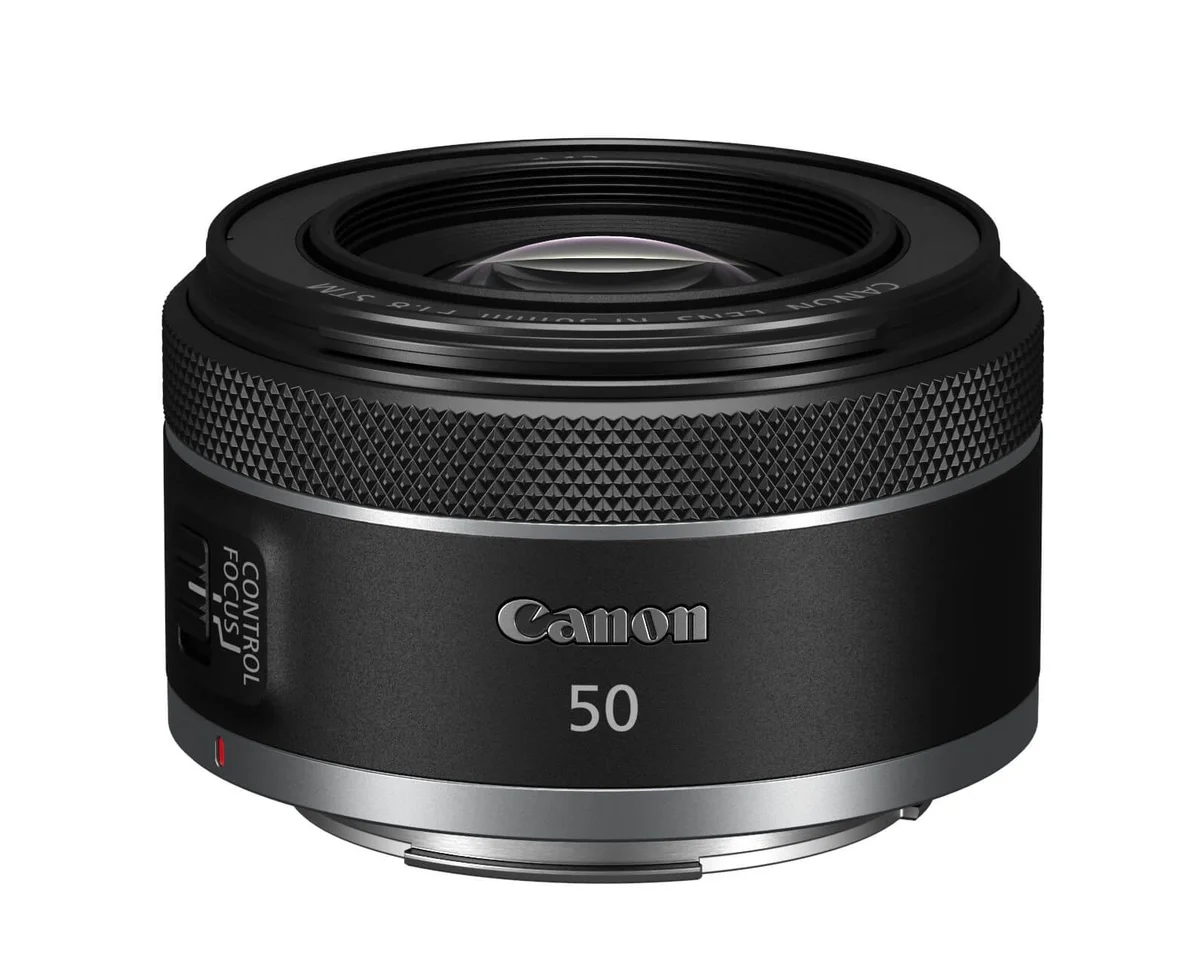
Canon RF Mount: EF Compatibility and Native Options
Canon designed the RF mount with backward compatibility as a priority. The EF-EOS R adapter is a simple tube — no optics, no AF motor, just mechanical and electronic bridging. Every EF and EF-S lens manufactured since 1987 works on RF bodies through this adapter. Autofocus, image stabilization, and aperture control all function normally.
The adapter itself comes in three versions: basic, control ring (adds a customizable ring for ISO/aperture/exposure compensation), and drop-in filter (accepts rear-mounted ND or polarizer filters). For most users, the basic adapter provides complete functionality.
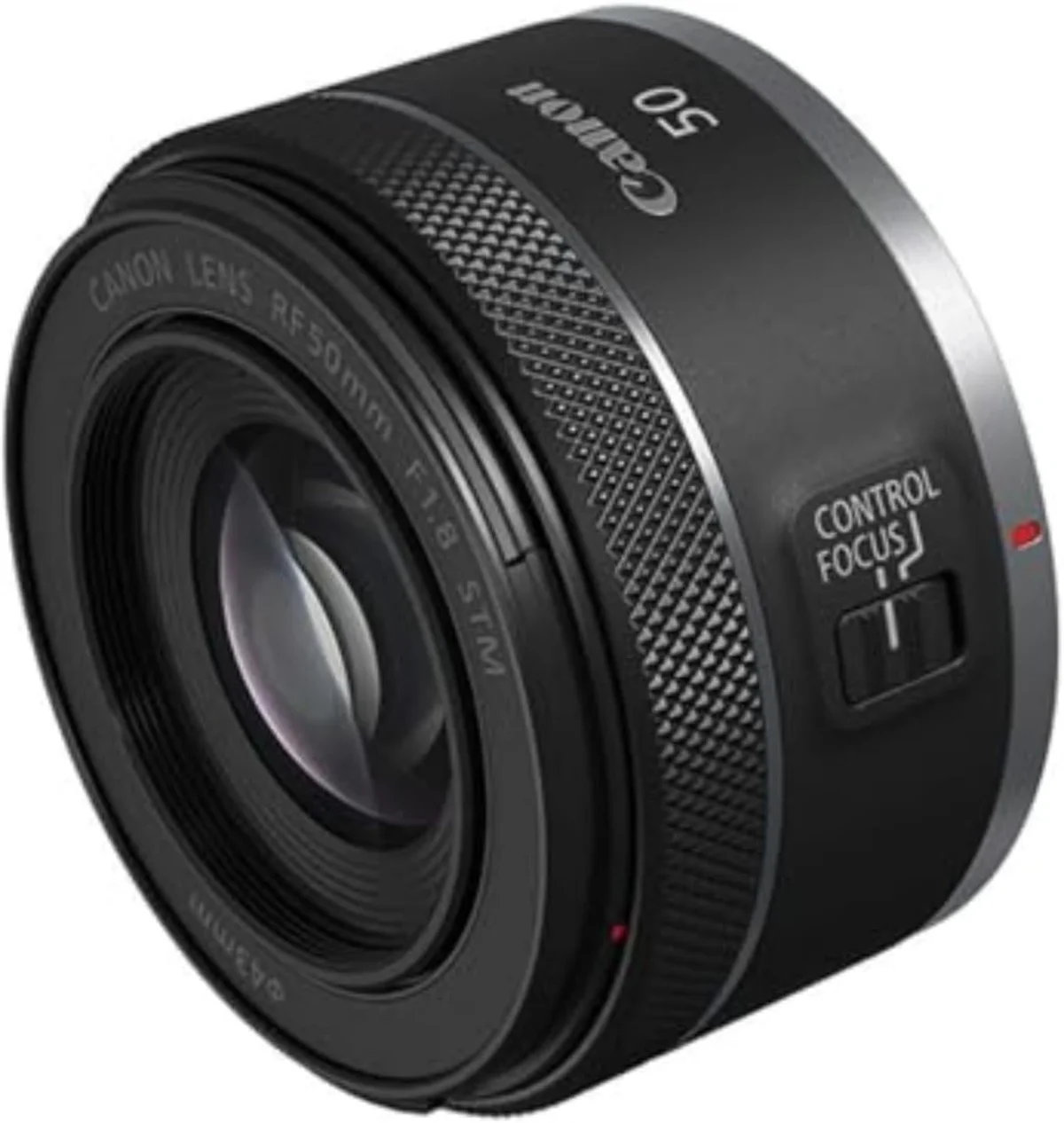
Native RF lenses offer advantages over adapted EF glass: typically faster autofocus, RF-specific communication features (like coordinated IS), and optical designs optimized for the shorter flange distance. Canon's RF lens lineup has grown to cover most focal lengths, making native glass the better choice for new purchases. But adapted EF lenses remain fully viable — many professionals still use their EF 70-200mm f/2.8L IS III on RF bodies with zero quality penalty.
Third-party lenses for RF mount come from Tamron, Sigma, Viltrox, and others. Canon initially restricted third-party access to RF-mount specifications, but the market has opened. Tamron's RF-mount lenses (like the 18-300mm f/3.5-6.3) provide native autofocus without adapters.
Nikon Z Mount: F-Mount Legacy and the FTZ Adapter
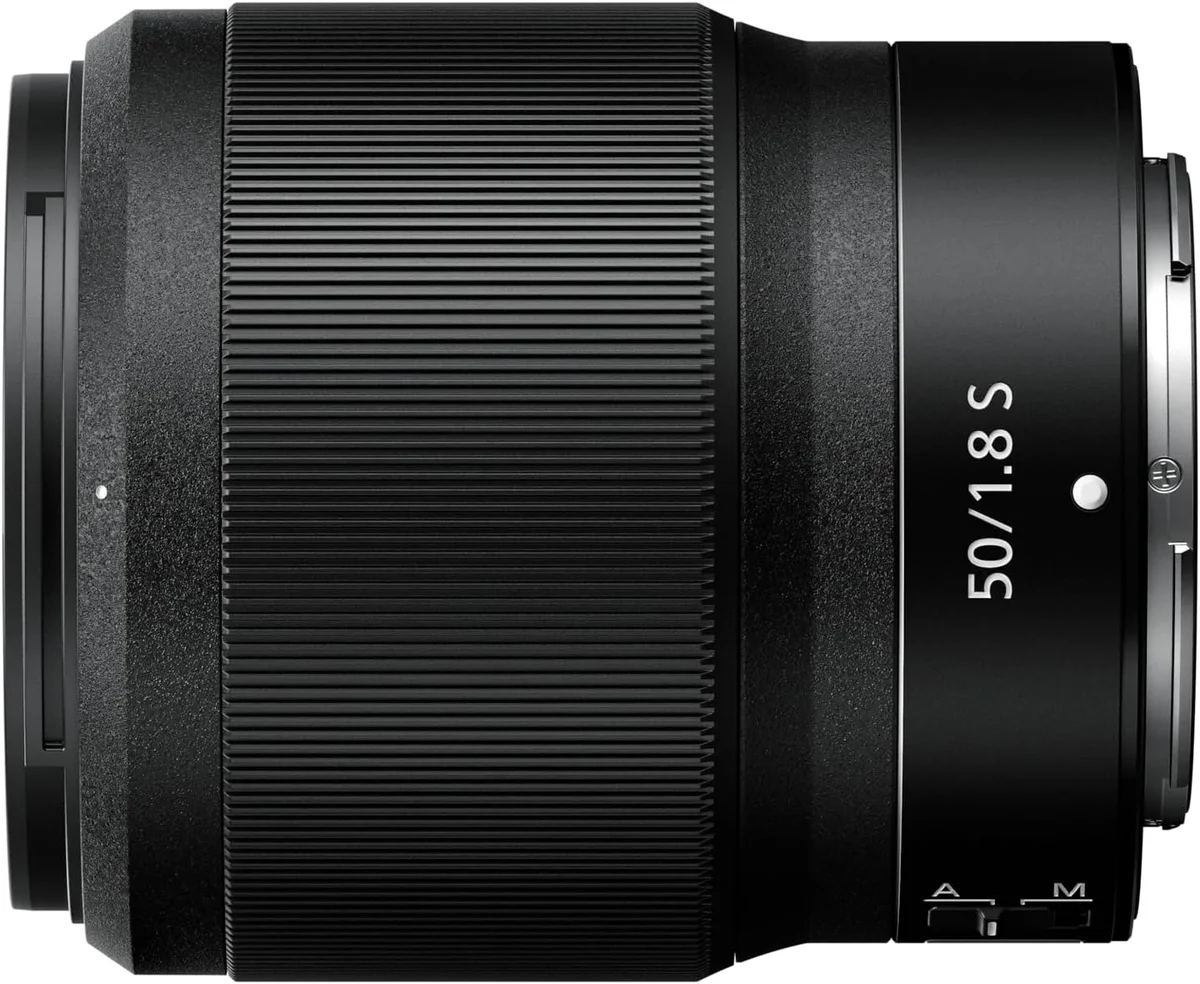
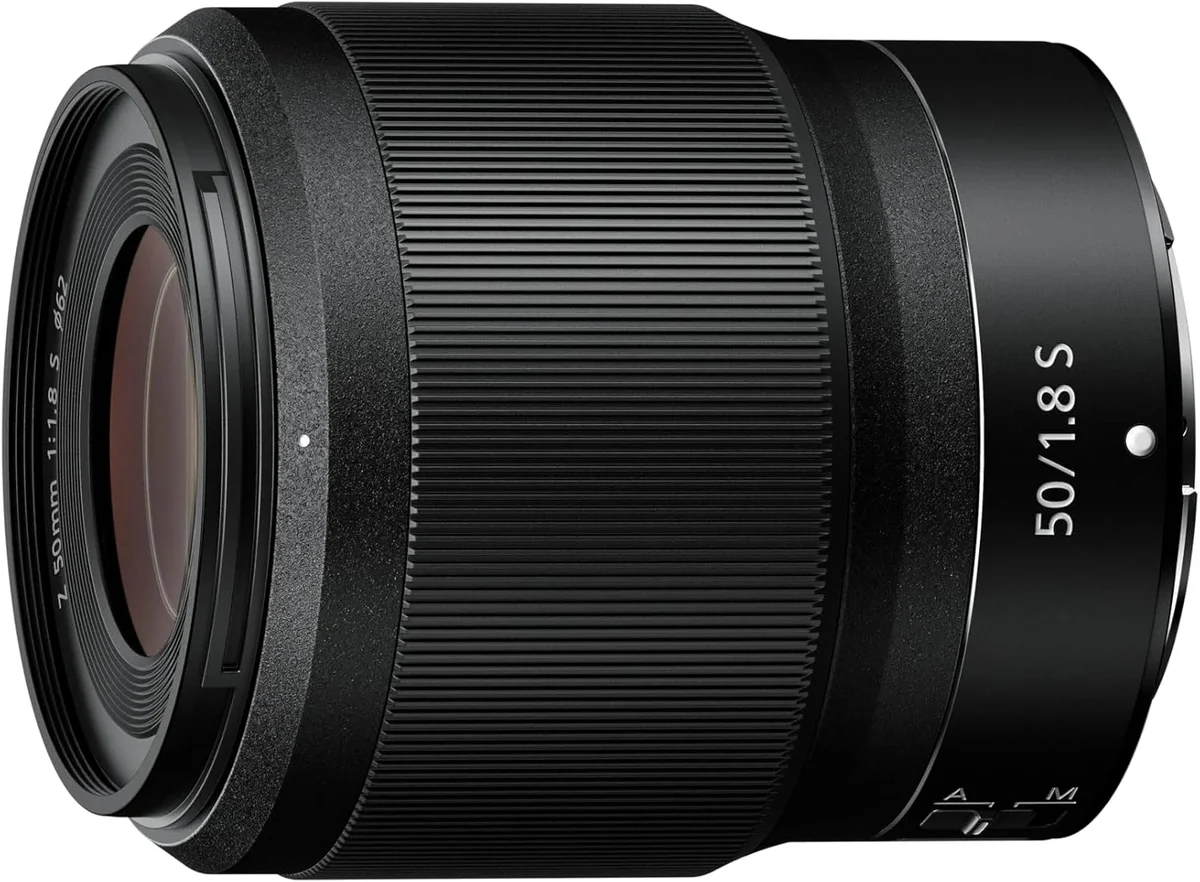
Nikon's Z mount has the shortest flange distance and widest throat diameter of any major full-frame system. This gives lens designers maximum flexibility for optical formulas — it's one reason Nikon's Z-mount S-line lenses achieve exceptional sharpness. It also means the FTZ adapter can accommodate virtually any F-mount lens.
The critical distinction with F-mount adaptation: motor type. F-mount lenses with built-in AF motors (AF-S, AF-P designations) get full autofocus through the FTZ adapter. Older AF and AF-D lenses that relied on the camera body's screw-drive motor for focusing become manual-focus only on Z bodies. Nikon Z cameras don't include the mechanical AF coupling that older F-mount bodies provided.
This means a Nikon AF-S 70-200mm f/2.8E FL ED VR works perfectly on a Z8, but a classic Nikon AF 85mm f/1.4D becomes a manual-focus lens. For shooters with large F-mount collections, checking each lens's motor type before switching to Z-mount prevents surprises.
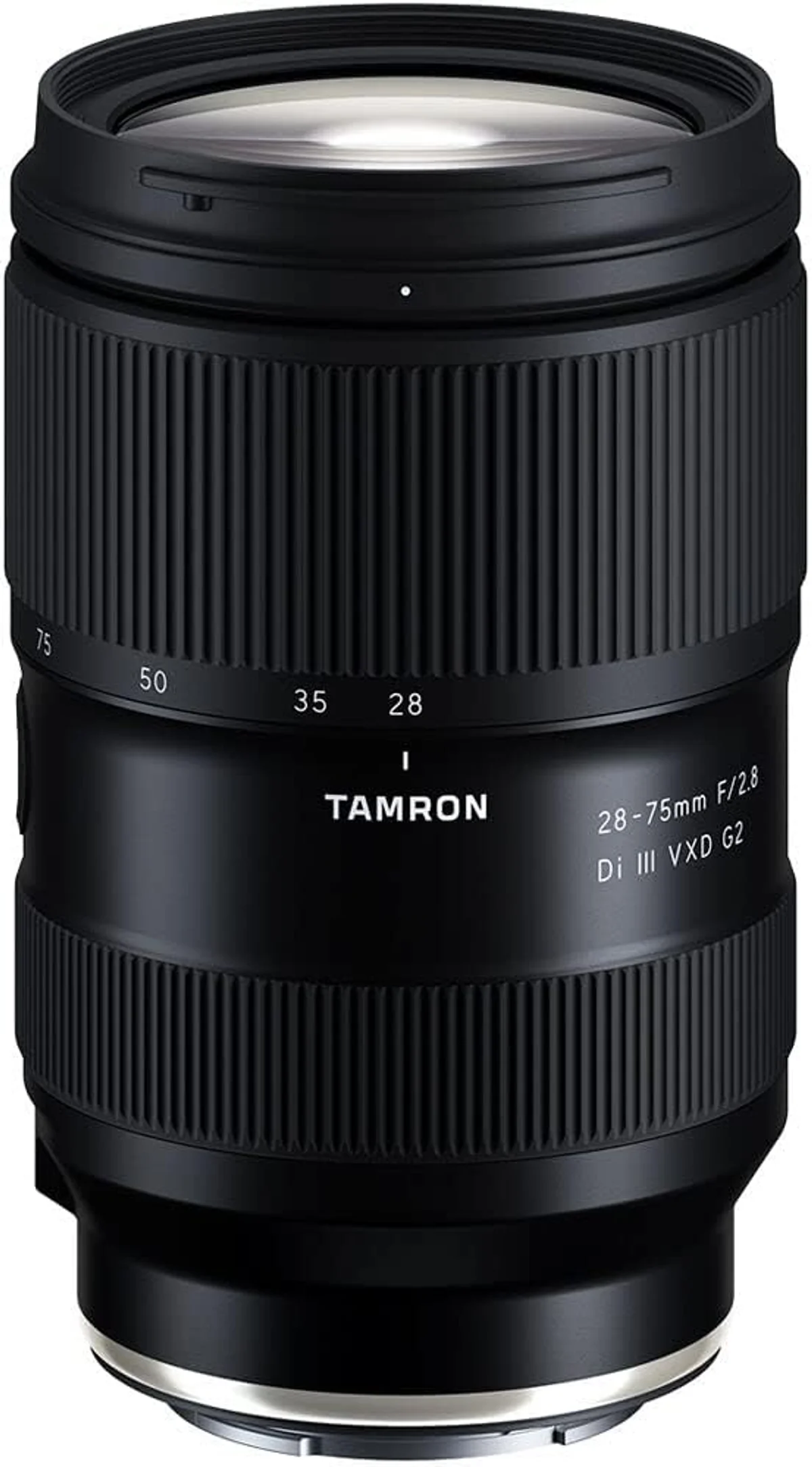
The Z-mount third-party ecosystem has expanded rapidly. Tamron offers Z-mount versions of its popular zooms (28-75mm f/2.8 G2, 150-500mm f/5-6.7). Viltrox produces affordable Z-mount primes. Sigma has committed to Z-mount native production after initially holding back.
Sony E Mount: The Most Adapted System
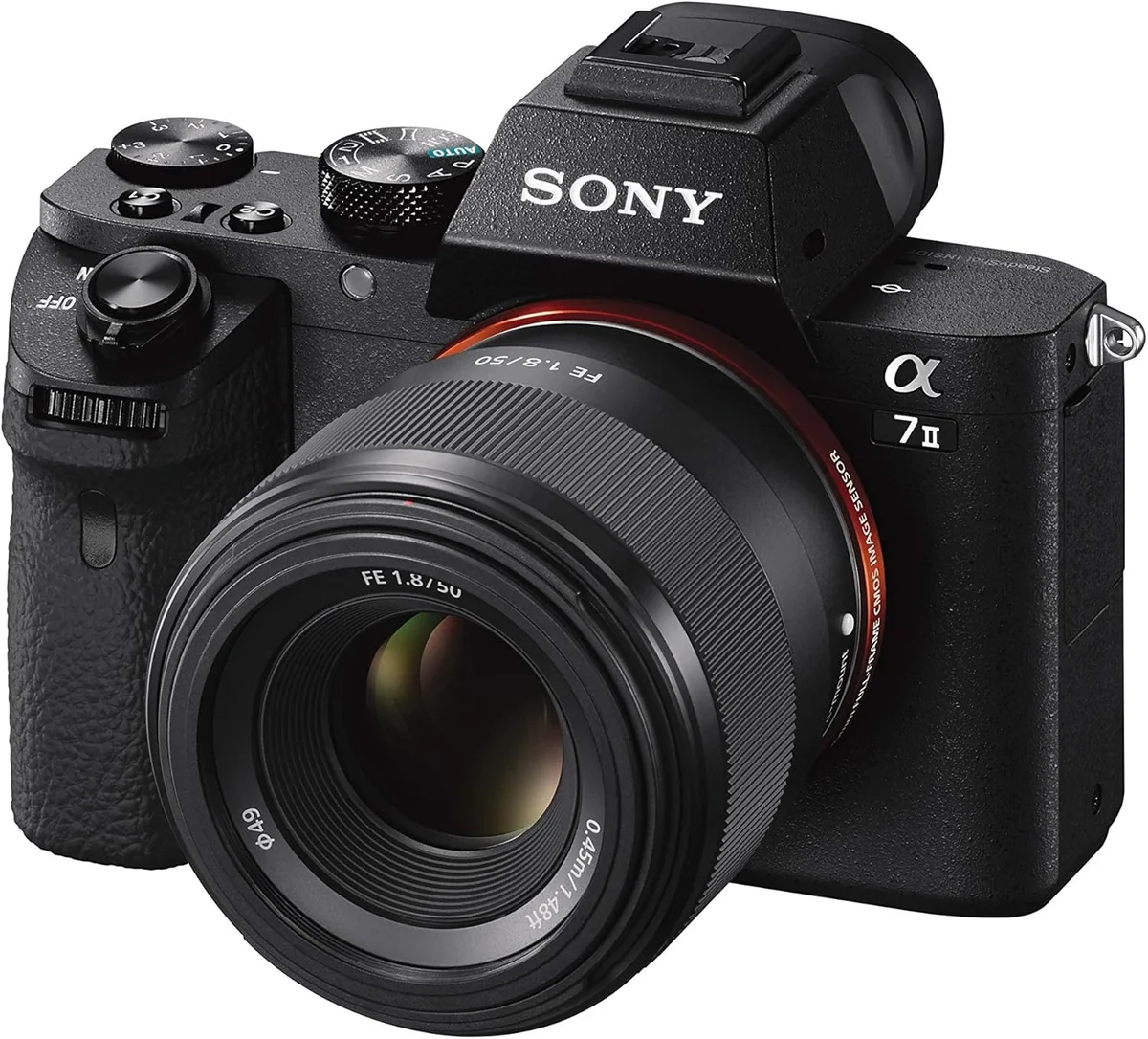
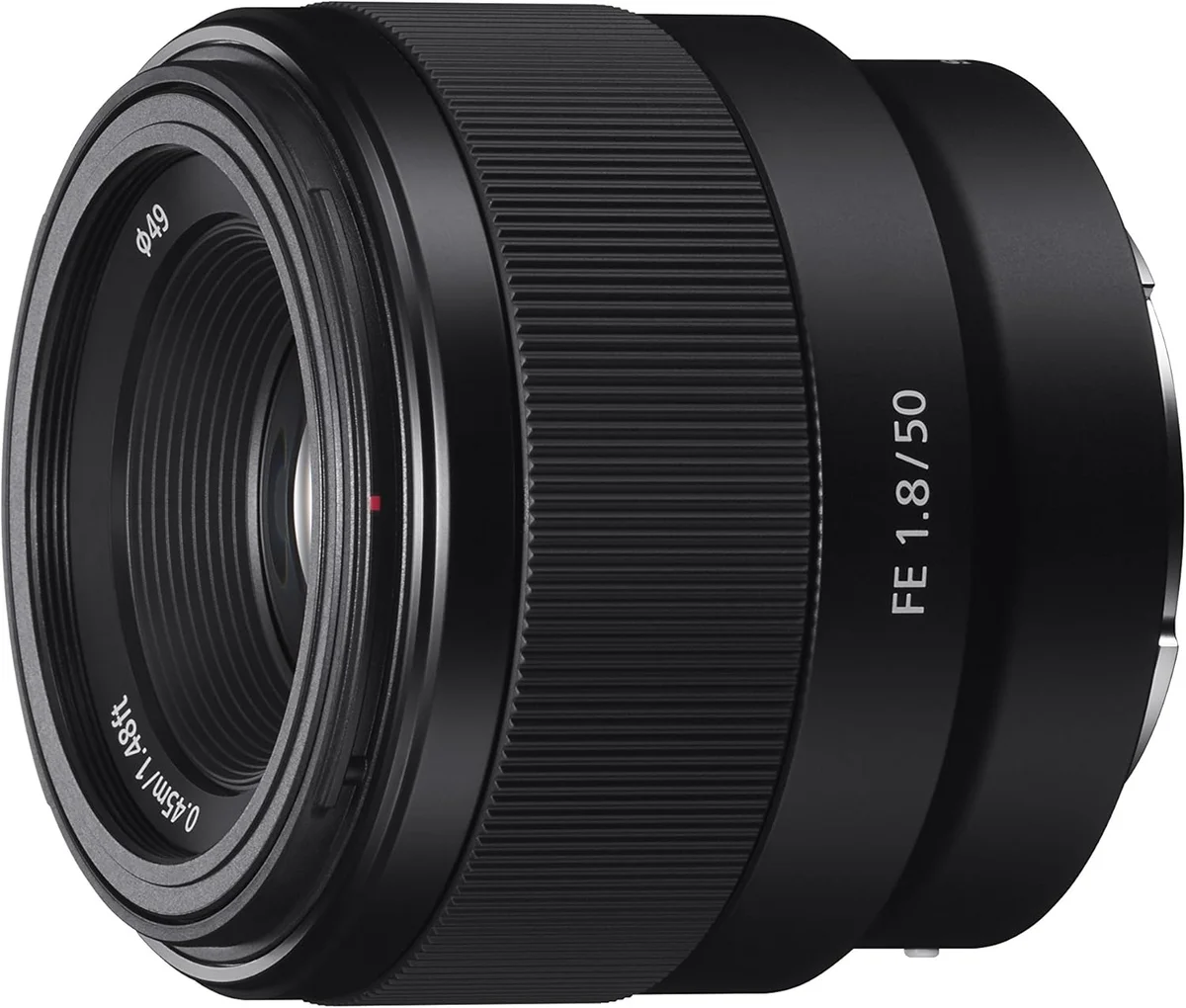
Sony E-mount has the largest third-party lens ecosystem of any mirrorless system. Being first to market with full-frame mirrorless (the A7 in 2013) gave Sony a head start, and the relatively open mount specification encouraged third-party development. Tamron, Sigma, Viltrox, Samyang/Rokinon, and dozens of smaller manufacturers produce native E-mount lenses.
E-mount's 18mm flange distance allows adaptation of almost every SLR lens system ever made. Canon EF lenses work via Sigma MC-11 or Metabones adapters, with varying degrees of AF success. Nikon F lenses adapt via manual-focus adapters or electronic Megadap/Techart adapters with AF. Leica M lenses fit with simple manual adapters. Even medium-format lenses from Pentax 67 and Mamiya can be adapted for creative use.
The quality of adaptation varies enormously by adapter brand and lens combination. For Canon EF to Sony E, the Sigma MC-11 provides the most reliable AF with Sigma's own EF-mount lenses, while the Metabones V adapter handles Canon-brand EF lenses better. Neither matches native Sony AF performance — expect slower acquisition and occasional hunting compared to a native Sony lens.
Deep Dives: Mount-Specific Compatibility Guides
Each major mount system has its own compatibility quirks, adapter options, and gotchas. We've published dedicated guides for the three systems most common in our product catalog:
- Sony E-Mount Lens Compatibility — covers the full E-mount ecosystem: native FE and APS-C lenses, A-mount adaptation via LA-EA adapters, third-party native options from Tamron/Sigma/Viltrox, and cross-system adaptation from Canon EF, Nikon F, and Leica M. Sony E-mount has the broadest third-party lens selection of any mirrorless system.
- Nikon F-Mount Lens Compatibility — explains which F-mount lenses get full autofocus through the FTZ adapter (AF-S, AF-P) and which become manual-focus only (AF-D, AF). Critical reading for anyone transitioning a large F-mount collection to Nikon Z bodies.
- Canon Lenses on Sony: Adapter Guide — a practical walkthrough for Canon EF shooters considering Sony mirrorless. Covers the Sigma MC-11, Metabones V, and Megadap adapters with real-world AF performance expectations for specific Canon lenses.
Cross-System Adaptation: What Works and What Doesn't
A simplified compatibility matrix for the most common adaptation scenarios:
- Canon EF → Canon RF: Full compatibility via EF-EOS R adapter. Best native adapter experience of any system.
- Canon EF → Sony E: Works via Sigma MC-11 or Metabones. AF is functional but slower than native. Eye AF and animal tracking may not work with all combinations.
- Nikon F (AF-S) → Nikon Z: Full AF via FTZ II adapter. Very close to native performance.
- Nikon F (AF-D) → Nikon Z: Manual focus only. Metering and EXIF data still work.
- Sony A → Sony E: Full AF via LA-EA5 adapter. Phase-detection on sensor provides good performance.
- Canon EF → Nikon Z: Possible via third-party adapters (Megadap, Techart). AF is slow and unreliable. Manual focus recommended.
- Nikon F → Sony E: Manual adapters work well. Electronic AF adapters exist but AF performance is inconsistent.
- Any mirrorless → Any DSLR: Not possible. Flange distance physics prevents backward adaptation without optical elements that degrade quality.
Third-Party Lenses: Native Mount vs Adapted
Major third-party manufacturers (Tamron, Sigma, Viltrox) now produce lenses in multiple native mounts. A Tamron 28-75mm f/2.8 G2 is available in Sony E, Nikon Z, and Canon RF versions. Each is electronically native to its mount — no adapter needed, full AF communication, correct EXIF data.
Buying native-mount third-party lenses is almost always preferable to adapting. You get faster AF, proper communication with the camera body's features (eye detection, tracking, lens correction profiles), and no adapter bulk. The only reason to adapt a third-party lens cross-system is if the specific lens you want isn't available in your mount — increasingly rare as the major third parties expand their mount coverage.
One gotcha: firmware compatibility. Third-party lenses occasionally lose features after camera body firmware updates. A new Canon RF body firmware might temporarily break AF on a Tamron RF lens until Tamron releases a matching lens firmware update. This is less common with OEM lenses but a known risk with third-party glass. Keeping lens firmware current through the manufacturer's dock or app (Tamron Lens Utility, Sigma USB Dock) minimizes these issues.
Vintage and Manual Focus Lenses: The Adapter Playground
Mirrorless cameras have revived interest in vintage manual-focus lenses. The short flange distances of modern mirrorless mounts mean that almost any SLR-era lens can be adapted with a simple metal tube — no optics needed, no electronic communication required. You lose autofocus and automatic aperture control, but you gain access to decades of optical designs that cost a fraction of modern equivalents.
Popular vintage lens adaptations include: Leica M lenses on Sony E-mount (the most common combination for rangefinder glass on mirrorless), Canon FD lenses on Sony or Nikon Z (FD mount's 42mm flange distance allows clean adaptation to any mirrorless system), Pentax K lenses on nearly any mirrorless body (45.46mm flange distance, vast used market), and M42 screw-mount lenses (universal thread mount from the 1960s-80s, adaptable everywhere).
The experience varies by lens and body. Focus peaking and magnified live view on modern mirrorless cameras make manual focusing much easier than it was on DSLRs. Sony, Nikon, and Canon all offer customizable focus peaking colors and sensitivities. Some photographers find that the deliberate pace of manual focusing with vintage glass produces more intentional compositions than spray-and-pray autofocus shooting.
Quality of vintage lens adapters matters less than you might expect. Since passive adapters contain no optics, even budget options from Fotodiox or K&F Concept work fine — the only quality differences are in mechanical fit (how snug the mount connection feels) and the precision of the flange distance spacing (which affects infinity focus accuracy). For lenses where infinity focus is critical, spending a little more on a reputable adapter is worthwhile. For close-range or creative work, a bargain adapter from Amazon serves the same purpose.
Buying Decisions: When Mount Matters Most
Mount compatibility should influence your purchase in three situations.
Switching camera systems. If you're moving from Canon DSLR to Sony mirrorless, factor in the cost of replacing or adapting your lens collection. An existing lens collection adapted with a comparatively cheap adapter may outperform selling everything and buying new glass — at least as a transitional strategy while you build a native collection over time.
Choosing your first mirrorless system. If you have no existing lenses, evaluate each system's native lens lineup for your needs. Canon RF excels in specialty glass (tilt-shift, super-telephoto). Nikon Z's S-line primes are optically outstanding. Sony E-mount has the broadest third-party selection and most adaptation options.
Building a hybrid photo/video kit. Cinema lenses are often available in a single mount (PL, EF, or E-mount) and adapted to your camera. The Canon EF mount is the most common cinema lens mount after PL, making Canon RF and Sony E (both of which adapt EF easily) popular choices for hybrid setups that include cinema glass.
Future-proofing your investment. Native mirrorless lenses from Canon RF, Nikon Z, and Sony E will likely remain relevant for the next decade or more — these mounts are the current and foreseeable standard for each manufacturer and their expanding third-party ecosystems. DSLR lenses (Canon EF, Nikon F) are excellent adapted, but new optical development has shifted entirely to mirrorless mounts. If you're buying new glass today, native mirrorless is the safest long-term investment. If you already own high-quality DSLR lenses, adaptation preserves their value while you gradually transition to new native glass for all future purchases.
Mount Compatibility Questions
Answers to the most common questions about using lenses across different camera systems and mount types.
Can I use Canon EF lenses on a Canon RF mirrorless camera?
Yes, with the Canon EF-EOS R adapter (or the control ring version). All EF and EF-S lenses work with full autofocus, image stabilization, and EXIF data. The adapter adds about 2.5cm of length but no optical elements — image quality is identical to using the lens on an EF-mount body.
Will Nikon F-mount lenses work on Nikon Z cameras?
Yes, with the Nikon FTZ or FTZ II adapter. AF-S and AF-P lenses (those with built-in focus motors) get full autofocus. Older AF-D and AF lenses that relied on the body motor for autofocus become manual-focus only, since Z-mount bodies don't have a screw-drive AF motor.
Can I use Sony A-mount lenses on Sony E-mount cameras?
Yes, with Sony's LA-EA3, LA-EA4, or LA-EA5 adapter. The LA-EA5 is the most capable — it supports phase-detection AF on the camera's sensor for faster performance. Older adapters used a translucent mirror for AF, which reduced light transmission by about 1/3 stop.
Do third-party adapters affect image quality?
Passive adapters (no optical elements) do not affect image quality — they just bridge the physical and electronic gap between lens and body. Active adapters with autofocus motors maintain quality too. Only adapters with built-in optics (speed boosters, teleconverter adapters) alter the optical path and can affect sharpness or introduce aberrations.
Why can't mirrorless lenses be adapted to DSLR bodies?
Mirrorless lenses are designed for a shorter flange distance (the distance from lens mount to sensor). Mounting them on a DSLR (which has a longer flange distance due to the mirror box) would require the lens to sit inside the mirror cavity, physically impossible without removing the mirror. Adaptation only works from longer-flange to shorter-flange systems, not the reverse.
Are speed boosters worth it?
Speed boosters (focal reducers) use optics to concentrate a full-frame lens's image circle onto a smaller APS-C sensor, gaining about one stop of light and wider effective focal length. They work well with high-quality lenses but can introduce corner softness with cheaper glass. The Metabones and Viltrox options are the most reliable. Only useful on crop-sensor bodies — not applicable to full-frame cameras.