Image Stabilization Types: OIS vs IBIS vs Dual IS

Image stabilization lets you shoot handheld at shutter speeds that would otherwise produce blurry images. The underlying principle is the same across all systems: gyroscopic sensors detect camera movement, and a compensating mechanism shifts to cancel out that motion. Where the systems differ is in what moves, how far it can move, and what types of motion it can correct.
Three main types exist in current camera systems: optical image stabilization (OIS) in the lens, in-body image stabilization (IBIS) in the camera, and combined dual IS that coordinates both. Each has strengths the others can't match, and the best choice depends on your focal length, shooting style, and camera system.
Optical Image Stabilization (OIS): Correction in the Lens
OIS systems place a movable element group inside the lens barrel — typically near the rear of the optical path. Gyroscopic sensors detect angular movement (pitch and yaw), and voice-coil or linear motors shift the stabilizing element to redirect the light path, keeping the image steady on the sensor.
The advantage of OIS is visibility. Because the correction happens before light reaches the sensor, the viewfinder image (both optical and electronic) shows the stabilized result. You see a steady frame when looking through the camera, which makes composition and manual focusing easier — particularly at long focal lengths where small hand movements cause large viewfinder shifts.
OIS also excels at longer focal lengths — our telephoto lens buying guide covers why built-in IS matters at 200mm and beyond. A 200mm or 600mm lens needs large correction movements to compensate for the magnified effect of hand tremor. Lens-based IS elements can be sized for the optical path they serve, giving telephoto OIS systems the physical range to make large corrections. Canon's 800mm f/11 IS STM achieves 4 stops of stabilization at 800mm — a focal length where IBIS alone would struggle.
The limitation: OIS only corrects two axes (pitch and yaw). It cannot correct rotational shake (rotation around the lens axis) or translational movement (up-down, side-to-side shifting that matters at close focus distances). Each stabilized lens adds cost and weight to carry its own IS mechanism — you're paying for stabilization hardware in every lens that includes it.
In-Body Image Stabilization (IBIS): Correction at the Sensor
IBIS mounts the image sensor on a platform that moves in response to camera shake. Modern IBIS systems correct five axes: pitch (vertical tilt), yaw (horizontal tilt), roll (rotation), and X/Y translation (vertical and horizontal shift). This five-axis correction is the main advantage over lens-based OIS, which only handles two of those five.
The five-axis benefit matters most at two extremes. Roll correction prevents the horizon from tilting during handheld shooting — relevant for video and casual stills alike. Translational correction compensates for the up-down and side-to-side body movements that become the dominant source of blur at close focus distances. A photographer shooting macro at 1:2 magnification gets more benefit from IBIS's translational correction than from any lens-based pitch/yaw system.
IBIS works with every lens mounted on the camera, including vintage manual-focus glass, adapted lenses from other systems, and unstabilized primes. This universal coverage is why IBIS has become standard on mirrorless bodies. A photographer mounting a 1970s Nikon manual focus 105mm f/2.5 on a Sony A7 IV gets stabilization that the lens was never designed to provide.
The limitation: sensor-shift range. The sensor can only move a few millimeters in any direction before it hits the edge of its travel. At short focal lengths, a few millimeters of sensor shift provides ample correction. At 400mm, the same few millimeters correct a much smaller angular shake. This is why IBIS performance ratings drop at long focal lengths — the system runs out of physical room to compensate.
Modern IBIS systems from Sony, Canon, and Nikon claim 5-8 stops of stabilization with native lenses at moderate focal lengths. Real-world testing by independent reviewers generally confirms 3-5 stops of reliable performance, with the higher-end claims achievable under ideal conditions (short focal length, steady stance, controlled breathing).
Dual IS / Synergy IS: Combining Both Systems
When a stabilized lens meets an IBIS-equipped body, the two systems can work together. Canon calls this "Coordinated IS," Nikon calls it "Synergy VR," and Panasonic calls it "Dual IS 2." The principle is the same: the lens handles the corrections it does best (high-frequency pitch and yaw at long focal lengths) while the body handles what it does best (roll, translation, and low-frequency drift). Panasonic's Dual IS 2 is especially effective on compact primes like the Leica DG Summilux 9mm f/1.7, where body IBIS provides all the stabilization the lens needs.
The coordination requires electronic communication between the lens and body. Each system reports its correction state to the other, preventing over-correction (where both try to fix the same movement and overshoot). This is why dual IS only works with compatible lens-body combinations — the communication protocol must match.
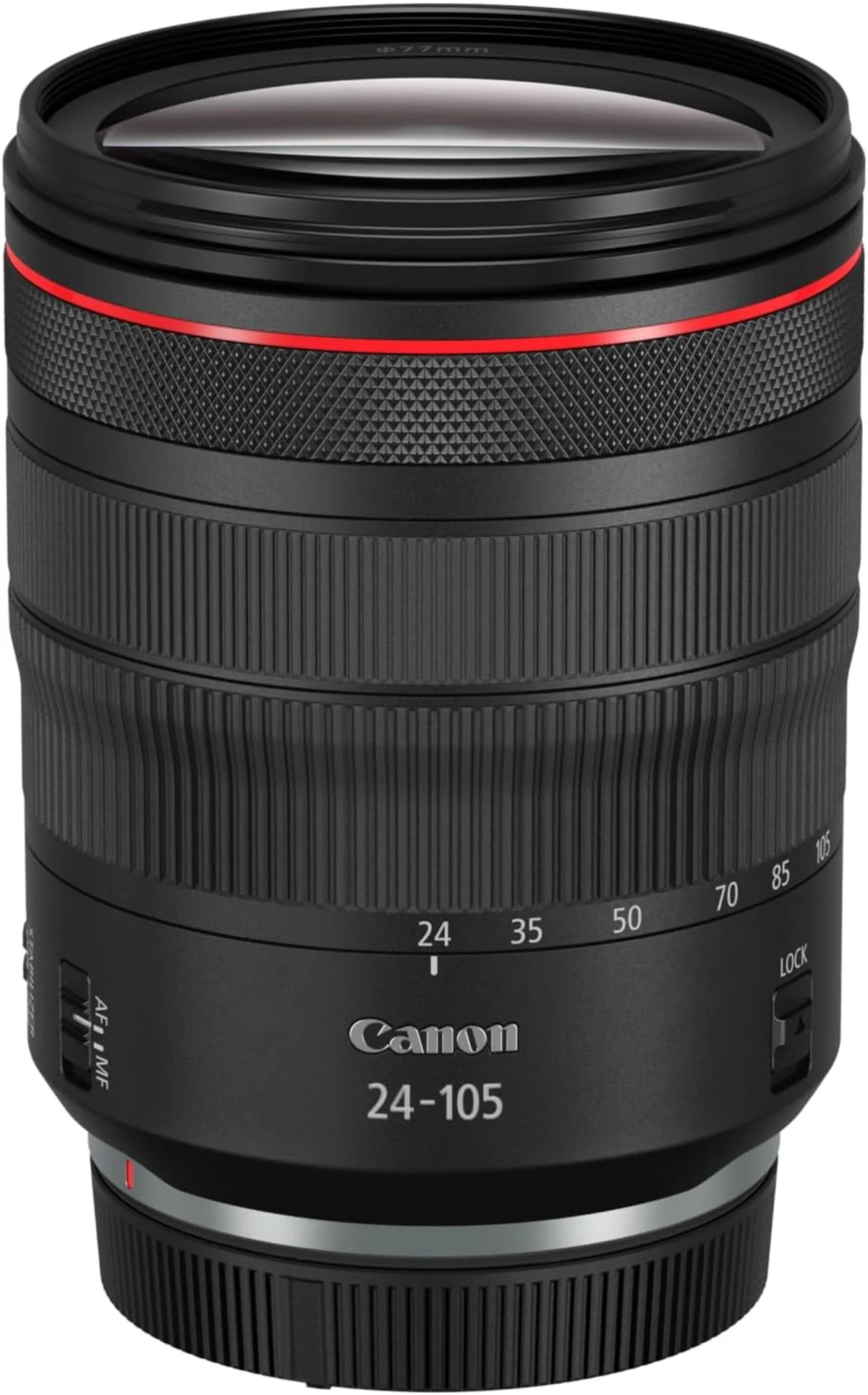
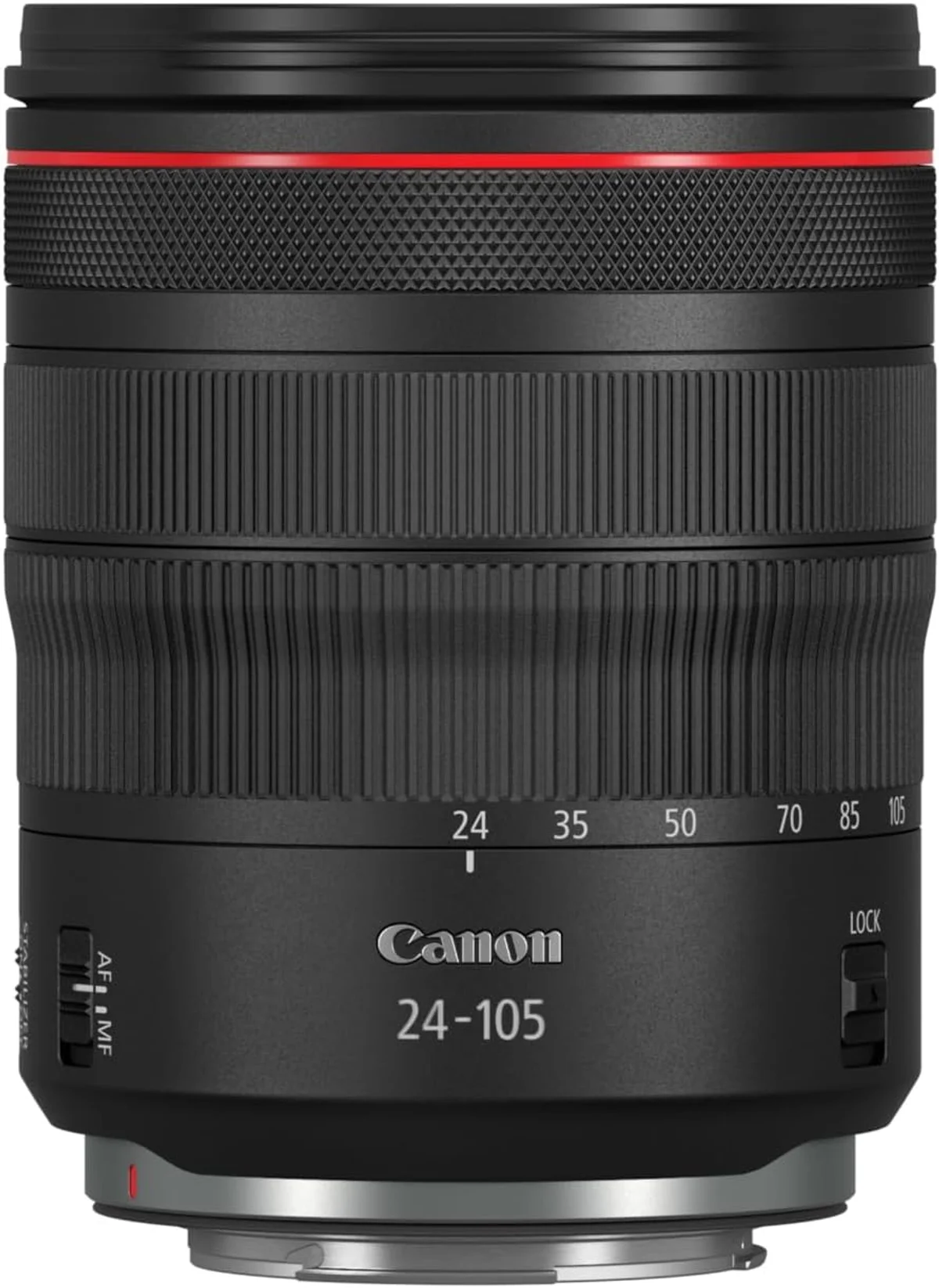
Combined systems achieve the highest rated stabilization numbers. Canon's RF 24-105mm f/4L IS USM paired with the R5 body claims up to 6 stops. Nikon's Z 70-200mm f/2.8 VR S on the Z8 claims 5.5 stops of synergy VR. Sony's A7R V with stabilized G Master lenses achieves similar ratings. In practice, these combinations gain 1-2 stops beyond what either system achieves alone — meaningful for handheld shooting in dim conditions.
One subtlety: with dual IS, the lens's OIS mode may change. Some lenses switch to "IS Mode 3" or a dedicated synergy mode when they detect a compatible body, optimizing their correction pattern for collaboration rather than solo operation. Using an incompatible body reverts to standard OIS behavior.
Stabilization and Video: Different Demands
Still photography needs stabilization for the duration of a single exposure — typically between 1/15 and 1 second for handheld shots where IS matters. The system holds its correction for that brief window, then resets. Success is binary: the shot is sharp or it isn't.
Video demands continuous stabilization across every frame in a clip that might last minutes. The IS system must smooth motion without introducing artifacts — jerky corrections, sudden recentering jumps, or the "jello" effect when the sensor moves during rolling-shutter readout. Video-specific IS modes prioritize smooth motion over maximum correction strength.
For handheld video, IBIS has an advantage because its five-axis correction handles the walking motion that dominates run-and-gun shooting. Translational correction (up-down bobbing) is the main source of handheld walking footage looking unstable, and lens OIS alone cannot address it. This is one reason hybrid shooters gravitate toward IBIS-equipped bodies even when they own stabilized lenses.
Electronic image stabilization (EIS) — a software-based approach that crops the frame and digitally repositions it frame-to-frame — supplements optical and sensor-shift IS in video mode on many cameras. Sony's Active Mode, Canon's Movie Digital IS, and similar features apply an additional layer of stabilization at the cost of a ~10% frame crop. The results vary: excellent for walking footage, less effective for panning shots where the algorithm can misinterpret intentional movement as shake.
Choosing Based on Your Lens Collection
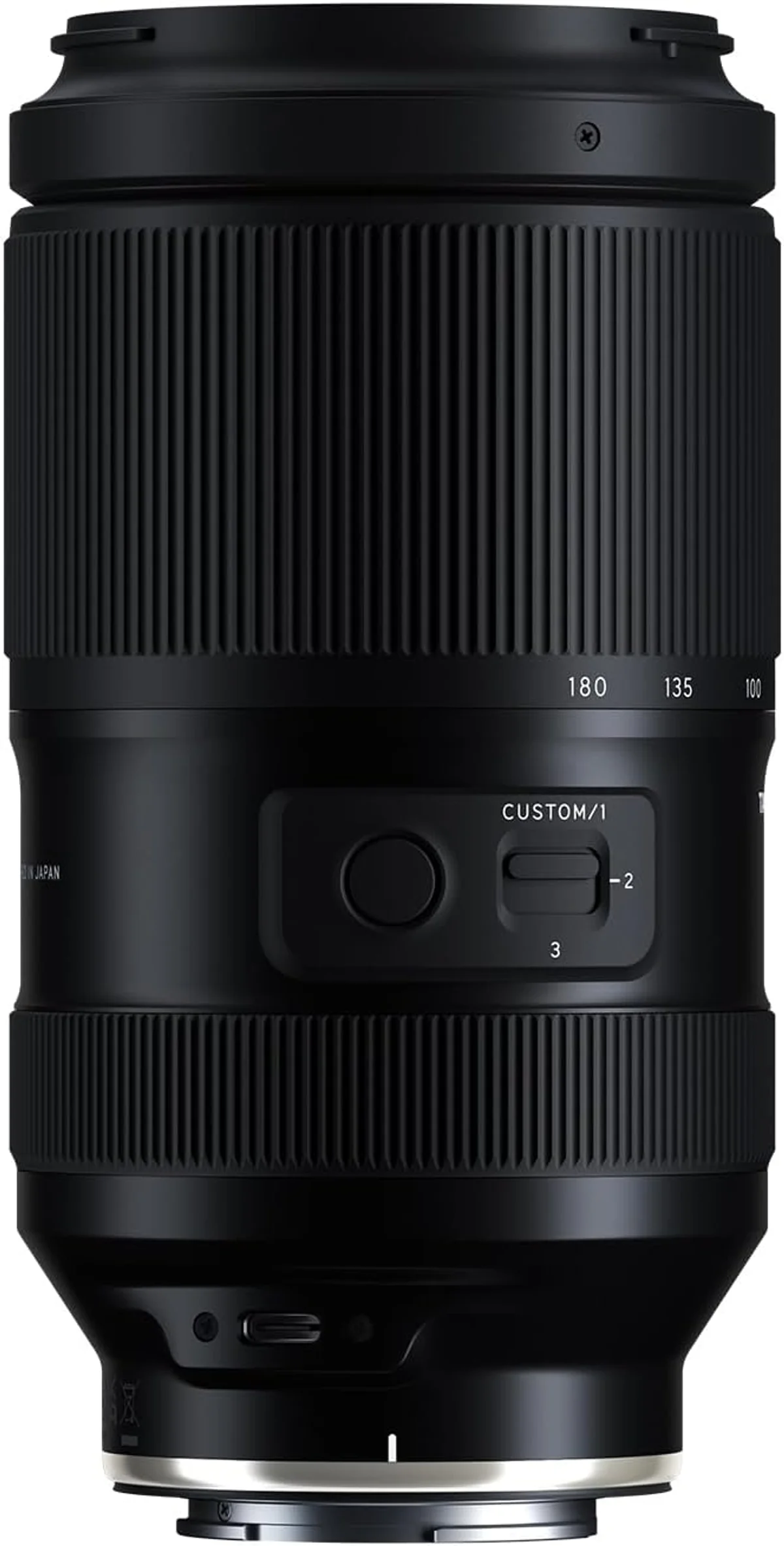
If you primarily shoot with stabilized telephoto lenses (70-200mm, 100-400mm, 150-600mm), the lens OIS does most of the heavy lifting. IBIS adds marginal improvement via synergy but isn't essential. Many Canon RF and Nikon Z telephoto lenses include excellent built-in IS.
If you shoot with fast unstabilized primes (50mm f/1.4, 85mm f/1.2, 35mm f/1.4), IBIS transforms your shooting. These lenses gain 3-5 stops of handheld capability they wouldn't otherwise have. The Sony FE 50mm f/1.4 GM, Canon RF 85mm f/1.2L, and Nikon Z 50mm f/1.2 S all rely on body IBIS for stabilization — none have built-in OIS.
If you use adapted or vintage glass, IBIS is the only stabilization available. Manual-focus Leica M lenses, vintage Contax Zeiss glass, and adapted Canon FD or Nikon F-mount primes all benefit from IBIS that their original mount systems never offered. This is a major draw for photographers who maintain collections of classic lenses.
For budget-conscious buyers assembling a new kit, an IBIS-equipped body paired with unstabilized (but optically excellent) lenses can be more cost-effective than buying stabilized versions of every lens. A Tamron 35mm f/2.8 or Viltrox 50mm f/1.4 Pro without IS on a Sony A7 IV body gives stabilized shooting at a fraction of the cost of the equivalent stabilized lens, if one even exists.
Real-World Stabilization Performance by Focal Length
Manufacturer ratings (measured under CIPA standards) rarely match everyday shooting. Here's what to expect in practice at different focal lengths with modern equipment:
- 14-35mm (wide angle): IBIS alone delivers 4-5 stops reliably. You can shoot handheld at 1/2 second or slower with good technique. Lens OIS adds minimal benefit at these short focal lengths since angular shake is already well-controlled by sensor shift.
- 35-85mm (standard): IBIS delivers 3-4 stops. Dual IS adds another 1-2 stops. Handheld shooting at 1/4 to 1/2 second is achievable. This range represents the sweet spot for IBIS effectiveness — the correction range matches the typical angular movement well.
- 85-200mm (short telephoto): IBIS alone drops to 2-3 stops. OIS in the lens becomes more important. Dual IS delivers 4-5 reliable stops. The Canon RF 70-200mm f/2.8L IS USM with the R5 body achieves roughly 5 stops in this range.
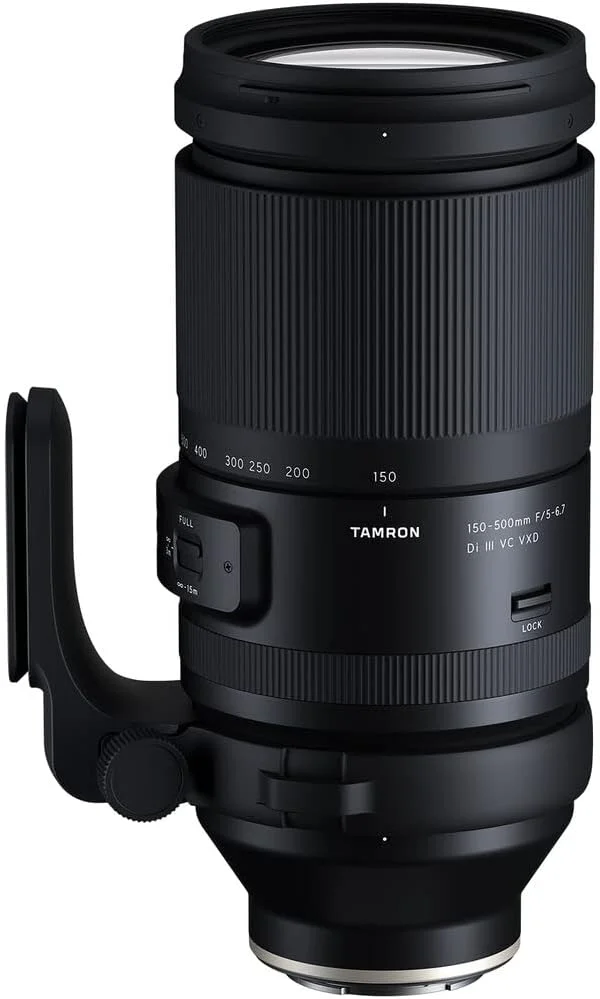
- 200-600mm (telephoto): Lens OIS carries the load. IBIS contributes to roll and translation correction but can't match the OIS system's angular range. Expect 3-4 real-world stops from OIS alone, with IBIS adding about 0.5-1 stop through synergy. The Tamron 150-500mm f/5-6.7 delivers solid stabilization in this range thanks to its VC (Vibration Compensation) system.
- 600mm+ (super telephoto): Even the best stabilization can't fully compensate at these focal lengths. The reciprocal rule says you need 1/600 second at 600mm. Getting 4 stops of IS brings that to roughly 1/40 second — useful in good light but still demanding steady technique. Most super-telephoto shooters use monopods or gimbal heads alongside IS as a combined stabilization strategy.


The Future: Computational and Predictive Stabilization
Camera manufacturers are moving beyond reactive stabilization (detect shake, then compensate) toward predictive systems. Sony's latest IBIS algorithms in the A9 III use machine learning to predict body movement patterns, pre-positioning the sensor before shake occurs. Canon's R1 uses a similar predictive approach that reduces the lag between detected motion and correction.
Computational stabilization — combining sensor data with software processing — is also advancing. The iPhone and Pixel phones have demonstrated that aggressive computational stabilization can produce handheld results that rival optical systems in still images. Dedicated cameras haven't adopted computational IS as aggressively, but Panasonic's latest bodies combine optical and electronic stabilization in ways that hint at this direction.
For lens buyers today, the practical implication is this: IBIS will continue improving through firmware updates and new body generations, while any OIS in your lens remains fixed at its shipped capability. An excellent unstabilized prime lens mounted on a future body may outperform today's stabilized equivalent. But a lens with great OIS will always add a predictable baseline of stabilization on top of whatever the body provides — and that additive benefit persists even as IBIS improves.
Common Stabilization Mistakes and How to Avoid Them
The most frequent error is leaving stabilization on during panning shots. Standard IS modes fight against intentional horizontal camera movement, producing jerky results where the system alternates between correcting and releasing. Most stabilized lenses offer a Mode 2 or panning-specific setting that only corrects vertical shake — switch to it before any lateral tracking work.
Another common issue is relying on stabilization numbers without testing them in your own shooting posture. A claimed 5-stop rating assumes a standing photographer with good technique — elbows tucked, controlled breathing, gentle shutter release. Shooting from an awkward crouch, leaning over a railing, or bracing against wind degrades the effective rating by 1-2 stops. Understanding your personal baseline at each focal length matters more than the spec sheet number. Shoot a series at progressively slower shutter speeds and identify the threshold where your hit rate drops below 80% — that is your actual stabilization floor for that lens-body combination.
Stabilization Questions
Practical answers about image stabilization performance, testing, and how it affects your shooting choices.
Does image stabilization reduce image quality?
In normal shooting conditions, no. Both OIS and IBIS systems disengage when the shutter fires and hold the compensating element in its corrected position. In rare cases, IBIS can introduce a very slight resolution penalty on extremely sharp prime lenses because the sensor's micro-movements during long exposures aren't perfectly predictable. The effect is negligible for real-world photography.
Should I turn off stabilization on a tripod?
Generally yes, especially with older lenses. Some OIS systems can hunt for vibration that doesn't exist when tripod-mounted, introducing blur. Modern systems detect tripod use and disable automatically, but if your lens is older or you notice soft tripod shots, switching IS off eliminates the variable.
Can IBIS replace lens-based stabilization entirely?
For wide to standard focal lengths (14-85mm), sensor-shift IBIS performs well on its own. At longer focal lengths (200mm+), the larger corrections needed exceed most IBIS systems' range. A 600mm lens without OIS on an IBIS-only body would still show more shake than the same lens with optical IS. Long telephoto lenses still benefit from built-in OIS.
How are stabilization stops measured?
The CIPA (Camera & Imaging Products Association) standard measures how many stops slower you can shoot compared to the reciprocal rule (1/focal length) while maintaining sharp images in 50% of test shots. A 5-stop rating at 100mm means you can shoot at roughly 1/3 second (instead of 1/100) and get sharp results half the time.
Does video benefit from the same stabilization as photos?
Video uses stabilization differently. For photos, IS compensates during a single exposure (fractions of a second). For video, IS must continuously compensate across every frame — 24, 30, or 60 times per second. Video-optimized modes smooth motion rather than freezing it, which is why many cameras offer separate IS modes for stills and video.
Why do some lenses claim 8 stops of stabilization?
Claims above 6 stops typically refer to combined OIS+IBIS (dual IS) or synergy modes where the lens and body coordinate. These numbers are measured under ideal conditions (moderate focal length, well-lit subject, steady stance). Real-world results usually fall 1-2 stops short of the claimed rating, especially at longer focal lengths or in less-than-ideal conditions.