Wedding Photography Lenses: What You Actually Need
The internet tells every aspiring wedding photographer to buy the "holy trinity" — a 16-35mm, 24-70mm, and 70-200mm, all f/2.8 — and get to work. That advice is not wrong, exactly. But it skips the part where those three lenses add up to a very large bill depending on your mount, weigh over 3 kilograms together, and still leave gaps that most wedding shooters fill with a fast prime or two.
We have spent hundreds of hours analyzing Amazon reviews, expert tests, and working photographer forums to understand what lens kits wedding professionals actually carry — not what gear lists say they should carry. The difference is instructive. This guide breaks down the real-world lens decisions for ceremony, reception, and portrait work, including practical advice for second shooters and backup strategies that protect your reputation when equipment fails at the worst possible moment.

The Holy Trinity: Useful Framework, Incomplete Answer
The 16-35mm, 24-70mm, and 70-200mm f/2.8 trio covers a continuous focal range from wide-angle to telephoto at a fast, constant aperture. For a photographer who needs one kit for every situation — events, portraits, scenery, sports — it makes sense as a starting point. For wedding-specific work, the trinity is a solid foundation with two notable blind spots.
The first gap is aperture.
At f/2.8, you can work in most reception halls without pushing ISO past 6400, but you cannot create the thin depth of field that defines high-end wedding portraiture. An 85mm f/1.4 at its widest aperture isolates a couple against a busy background in a way that f/2.8 physically cannot match. The background blur difference between f/2.8 and f/1.4 at 85mm is dramatic — roughly two full stops of light-gathering advantage and a visibly creamier separation between subject and environment. Wedding clients notice this in their final gallery, even if they cannot articulate why.
The second gap is weight. Three f/2.8 zooms plus two camera bodies puts 4-5 kilograms on your body for an 8-12 hour shoot. By hour six, tired hands and sore shoulders translate directly into missed shots. Many veteran wedding photographers have trimmed their kits to two zooms and one prime, accepting the slight coverage gap for a meaningful reduction in fatigue.
None of this means the trinity is bad advice. It means the trinity is a starting point, not a destination. Every wedding photographer eventually customizes the formula based on shooting style, physical stamina, and the types of weddings they book.
Ceremony Lenses: Speed and Silence Matter Most
Ceremonies are the highest-stakes phase of a wedding day. You cannot ask for a reshoot. The light is typically poor — dim churches, overcast outdoor altars, candlelit evening ceremonies — and movement is restricted. Most ceremonies limit photographer positioning to the side aisles, the back of the venue, or a single designated spot near the front.
The 70-200mm f/2.8 is the workhorse here. From 15-20 meters back, 200mm fills the frame with the couple exchanging vows. At 70mm, you capture the full altar scene with wedding party flanking the couple. The constant f/2.8 aperture handles indoor light without forcing ISO into noisy territory, and the telephoto compression flatters facial features in close-up reaction shots.
A fast prime — typically an 85mm f/1.4 or f/1.8 — serves as the ceremony backup on a second body.
It covers the f/2.8 zoom's weakness in extremely dim venues (think: late afternoon cathedral with no artificial lighting) and provides shallower depth of field for detail shots — rings on the altar, flowers, programs, the back of the bride's dress. At f/1.4, you gain two full stops over f/2.8, which is the difference between ISO 3200 and ISO 12800 in the same light.
Autofocus noise matters during ceremonies more than any other point in the day. Ring-type ultrasonic motors in older lenses produce an audible whir during quiet vow exchanges. Modern linear and stepping motors (Canon's Nano USM, Sony's XD Linear, Nikon's STM) are functionally silent. If your lens makes sound during focus, the couple and their guests will hear it during the stillest moments.
Reception and Low-Light Performance
Receptions break into three distinct lighting phases, each demanding different lens behavior. The cocktail hour and dinner typically have ambient lighting — dim but workable with f/2.8 glass and ISO 3200-6400. Toasts and speeches happen under spotlights or AV lighting that changes rapidly. The dance floor plunges into darkness punctuated by DJ lighting, strobes, and colored washes that confuse autofocus systems.
The 24-70mm f/2.8 dominates reception work. Its range covers table details at 24mm, candid reactions at 50mm, and toast close-ups at 70mm without a lens change. On-camera flash (bounced, not direct) paired with f/2.8 handles the cocktail hour and dinner without issue. For dance floor work, dropping to a 35mm f/1.4 opens up two more stops and lets you work closer to the action with a wider field of view.
Dance floor photography is where cheap glass fails hardest.
Autofocus systems hunt in low contrast, focus confirmation slows down, and f/4 zooms force ISO so high that color rendition falls apart. A fast prime at f/1.4 or f/1.8 on a modern mirrorless body with strong eye-detect AF cuts through low light the way slower lenses simply cannot. The combination of wide aperture, modern AF, and clean high-ISO performance from current sensor technology has changed dance floor photography from a stress test into a reliable part of the workflow.
Flash technique matters as much as lens choice on the dance floor. But the lens determines your baseline — what you can capture when the flash misfires, when you need ambient-only shots for atmosphere, or when the couple requests "no flash during the first dance." A lens that opens to f/1.4 gives you options. A lens that maxes out at f/4 gives you anxiety.
Portrait Sessions: Where Primes Earn Their Keep
Wedding portraits — couples, bridal party, family formals — are the one phase of the day where you control the pace. This is where prime lenses shine brightest. You choose the light, the background, the distance. The constraints that make zooms necessary during ceremonies disappear when you can plant your feet and compose deliberately.
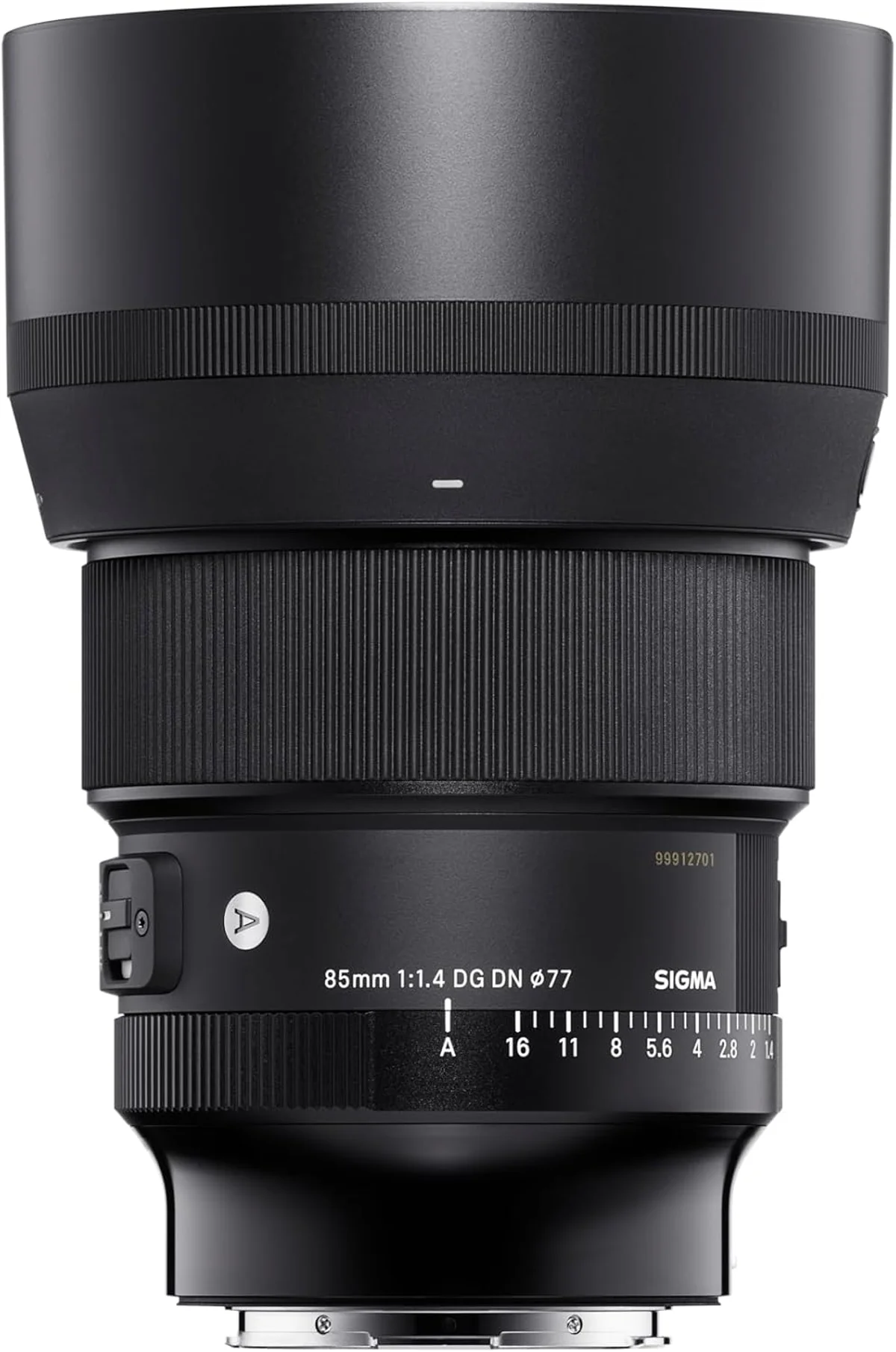
The 85mm f/1.4 is the most popular wedding portrait lens for good reason.
At portrait distance (2-4 meters), it produces flattering perspective, clean background separation, and enough working distance that subjects do not feel crowded. An 85mm wide open at f/1.4 turns a cluttered parking lot behind the venue into a smooth wash of color. That optical transformation is why couples hire photographers with fast glass instead of relying on a friend with a kit lens.
Environmental portraits — the couple framed by architecture, gardens, or the venue itself — call for something wider. A 35mm f/1.4 places subjects in context while still offering enough background blur to separate them from the scene at wider apertures. Street photographers and documentary wedding shooters often prefer the 35mm as their primary lens for the entire day, accepting the tighter portrait framing at this focal length for the storytelling advantage it provides everywhere else.
The 50mm f/1.8 deserves mention as the most underrated wedding lens.
Available in every mount at an Entry price, the standard fifty provides a natural field of view, respectable low-light performance at f/1.8, and a rendering style that looks neither wide nor telephoto. For second shooters on a budget or as a backup prime, the 50mm f/1.8 punches far above its price point. It lacks the subject isolation of an 85mm f/1.4 and the environmental context of a 35mm, but it splits the difference well enough that many photographers carry one as insurance.
The Two-Body Problem
Professional wedding photographers shoot with two camera bodies, and lens selection is inseparable from this two-body workflow. The setup eliminates lens changes during critical moments — ceremony, first dance, toasts — where fumbling a swap means missing the shot.
The most common pairing: Body A carries the 24-70mm f/2.8 (or equivalent fast standard zoom) for general coverage. Body B carries the 70-200mm f/2.8 for reach during ceremonies and candids. During portrait sessions, Body B swaps to an 85mm f/1.4. During receptions, Body B gets a 35mm f/1.4 for dance floor work.
Mount consistency across bodies matters more than most gear guides acknowledge. If both bodies share the same mount, every lens in the bag works on either body. When your primary body locks up mid-reception — and this happens to every working photographer eventually — you grab the backup and keep shooting. Mixed-mount setups (one Canon body, one Sony body) halve your usable lens pool the moment something fails.
Dual card slots are the body-side equivalent of this reliability principle. A lens failure loses you a few minutes while you swap. A card failure loses images permanently. Two bodies, each writing to two cards simultaneously, means no single hardware failure can destroy a client's wedding gallery.
Building a Second Shooter's Kit
Second shooters cover angles the lead photographer cannot reach — the groom's reaction during the processional, alternate ceremony angles, candid guest moments, behind-the-scenes getting-ready shots. The second shooter's lens kit should complement the lead's coverage, not duplicate it.
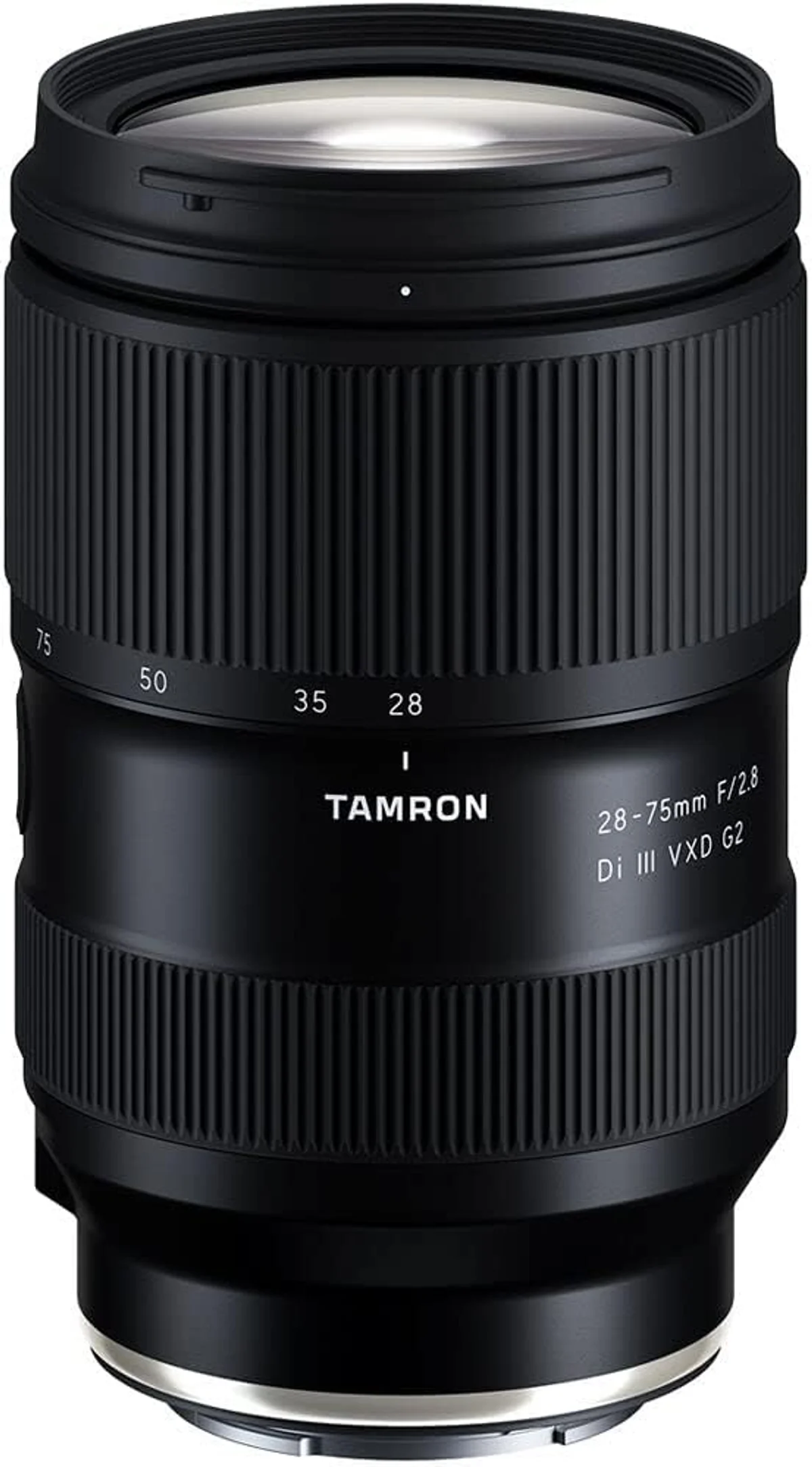
A practical second-shooter kit on a budget: one standard zoom (a Tamron 28-75mm f/2.8 or Sigma 28-70mm f/2.8 runs 30-50% less than native equivalents) and one fast prime (the 50mm f/1.8 in your mount). This two-lens kit covers getting-ready documentation, ceremony alternates, and reception candids. Total glass investment stays in the mid-range tier — accessible for a second shooter who may only work weddings part-time.
If the budget stretches further, adding a 70-200mm f/2.8 transforms the second shooter into a fully independent coverage unit. With a standard zoom, a telephoto zoom, and a fast prime, the second shooter can handle an entire wedding alone if needed — which is exactly the redundancy you want when your business reputation depends on delivering a complete gallery.
Communication between lead and second shooter matters as much as equipment. Before the ceremony, agree on who covers which angles. During the reception, decide who follows the couple and who captures guest reactions. Lens choices follow from these role assignments, not the other way around.
Backup Strategies That Protect Your Business
Equipment failure at a wedding is not a hypothetical. Lenses jam. Focus motors die. Camera bodies freeze. Rain happens when the forecast said sun. A professional wedding photographer's backup strategy is as important as the primary kit — because when a lens fails during the father-daughter dance, the couple does not care about your equipment problems. They care about having those photos.
Minimum viable backup: one additional camera body and one wide-to-tele zoom that can cover the entire event alone in an emergency.
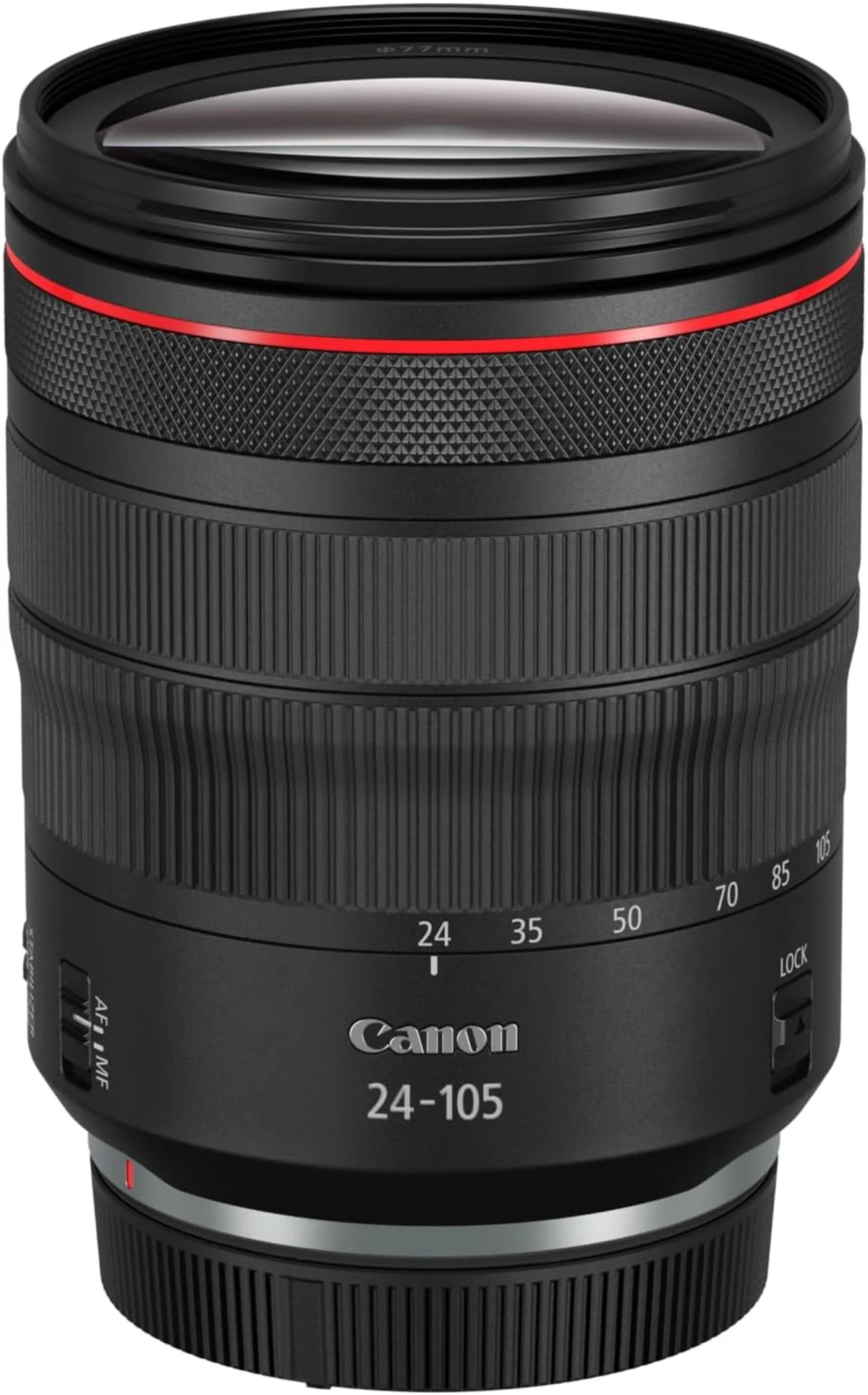
The Canon RF 24-105mm f/4L, Nikon Z 24-120mm f/4, or Sony FE 24-105mm f/4 G fills this role perfectly. None of these are fast enough for dark reception halls at their native aperture, but paired with high-ISO capability and an on-camera flash, they can get you through a crisis. The alternative — having no backup and explaining to a couple that their ceremony photos do not exist — is career-ending.
Weather sealing is a backup strategy that lives inside the lens itself. An unsealed lens in unexpected rain requires a plastic bag and constant stress. A weather-sealed lens with gaskets at the mount, rings, and switches handles drizzle and humidity without special protection. If you shoot outdoor weddings in any climate with unpredictable weather, sealed glass pays for itself the first time clouds open up during an outdoor ceremony.
Renting fills gaps without permanent investment. If you book one barn wedding per year that needs a 14-24mm ultra-wide for interior shots, renting that lens for a weekend makes more financial sense than buying a lens that sits in the bag for 50 weeks. LensRentals and BorrowLenses ship directly to your door with insurance options that cover wedding-day accidents.
Focal Length Strategy by Wedding Phase
A wedding day moves through distinct phases, and each phase has an optimal focal length range. Planning lens swaps around these transitions reduces fumbling and keeps coverage continuous.
Getting ready (1-2 hours): 35mm prime or 24-70mm zoom. You are in tight spaces — hotel rooms, bridal suites, church dressing areas. Wide apertures handle uneven window light. The 35mm captures environmental context (the dress hanging, shoes lined up, makeup application) while keeping close enough to feel intimate without crowding.
Ceremony (30-60 minutes): 70-200mm f/2.8 as primary, 85mm f/1.4 or 24-70mm as secondary. Reach matters because your position is fixed or limited. The long zoom captures vows, ring exchanges, and reactions from the back of the venue. The secondary covers wide establishing shots and close details from the aisle.
Couples portraits (30-60 minutes): 85mm f/1.4 as primary, 35mm f/1.4 or 24-70mm as secondary. This is controlled, creative time. Use the 85mm for tight portraits with maximum background blur. Switch to 35mm for full-length and environmental shots that incorporate the venue or surroundings.
Family formals (15-30 minutes): 24-70mm f/2.8 or 70-200mm at 70-100mm. Groups of 4-20 people need enough depth of field to keep everyone sharp — f/4 to f/5.6 is typical. The zoom's flexibility lets you accommodate groups of varying sizes without moving your tripod or light stands.
Reception — dinner and toasts (2-3 hours): 24-70mm f/2.8 as primary, 70-200mm for toast close-ups. Table candids, room ambiance, speeches from the back of the room. On-camera bounce flash fills shadows in dining rooms where overhead lighting creates harsh downward shadows.
Reception — dancing (1-2 hours): 35mm f/1.4 or 24mm f/1.4 as primary, 24-70mm as secondary. Close, wide, and fast. Dance floor energy comes from being in the middle of it, not standing at the edge with a telephoto. A wide prime at f/1.4 paired with rear-curtain flash is the classic combination for motion-blur dance shots with sharp faces.
Native Glass vs Third-Party for Wedding Work
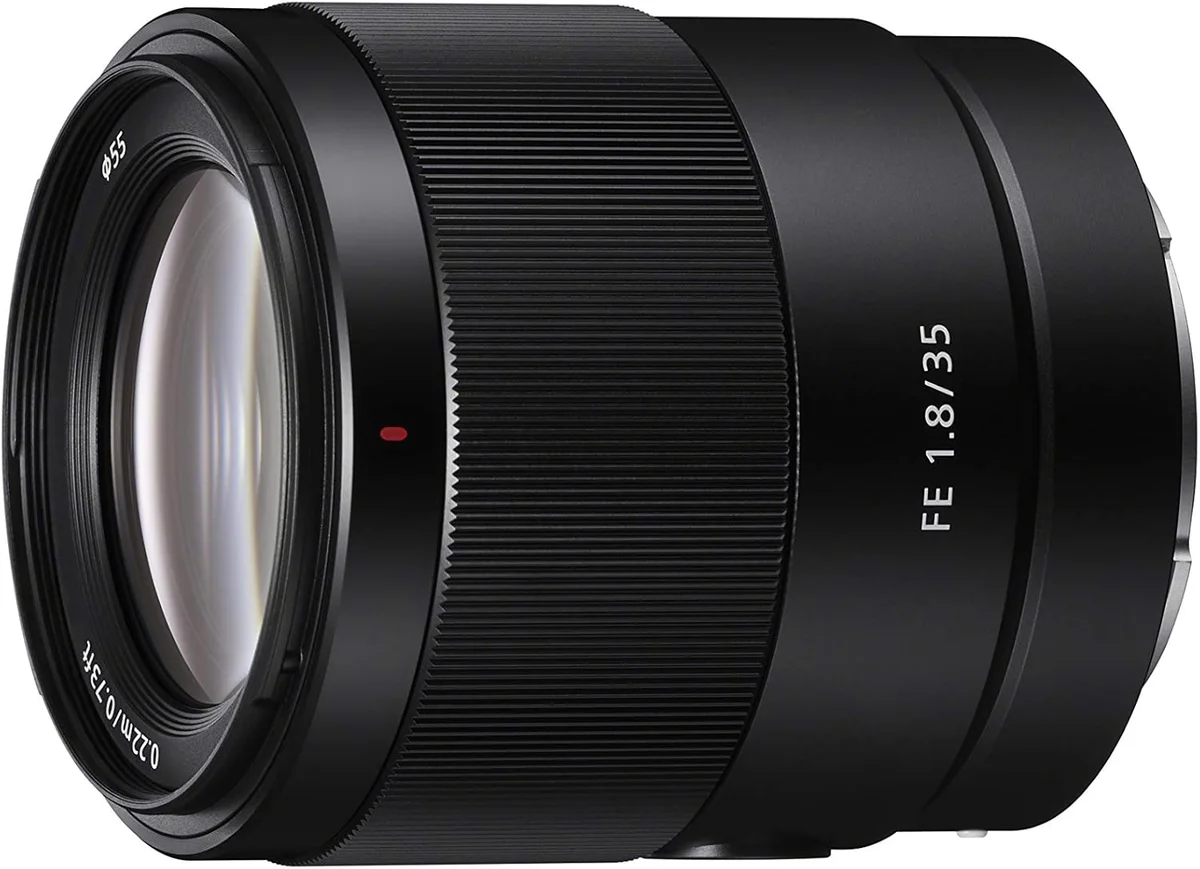
The performance gap between native and third-party lenses has narrowed to the point where the choice is no longer purely optical. A Tamron 28-75mm f/2.8 G2 or Sigma 28-70mm f/2.8 DG DN produces images that are indistinguishable from their native counterparts in a delivered wedding gallery. No client has ever rejected a photo because it was taken with a Tamron instead of a Nikon.
Where native glass still holds an advantage: autofocus speed and consistency in extreme conditions (very low light, backlit subjects, fast-moving subjects at close range), weather sealing that matches the body's protection level, and guaranteed firmware compatibility with future body updates. For a photographer whose income depends on zero AF misses during a ceremony, that reliability margin has real financial value.
The practical compromise many professionals adopt: native glass for the primary 24-70mm and 70-200mm (where AF reliability is non-negotiable), and third-party for primes and specialty lenses (where the cost savings fund an additional lens or backup body). This approach maximizes reliability on the lenses used most during critical moments while keeping overall kit cost manageable.
One caution specific to wedding work: test any new third-party lens at an event with low stakes before trusting it at a paid wedding. Firmware interactions between body and lens can produce intermittent AF issues that only surface under real shooting conditions — rapid focus-recompose cycles, low contrast scenes, backlit subjects walking toward you. A controlled portrait session in your backyard will not reveal these edge cases. A second-shot wedding or a rehearsal dinner will.
Common Mistakes in Wedding Lens Selection
Buying premium glass before booking weddings. A complete set of f/2.8 L-series or S-line zooms is a serious investment. Until you have booked enough weddings to justify that cost, mid-range alternatives from Tamron, Sigma, or even f/4 native zooms deliver professional results at a fraction of the price. Upgrade glass as revenue supports it, not before.
Carrying too many lenses. Five or six lenses sounds like preparation. In practice, it means decision fatigue at critical moments and a heavier bag that slows you down physically. Most experienced wedding photographers have settled on three to four lenses because that number covers every phase without the overhead of choosing between seven options while the bouquet is mid-air.
Ignoring the 70-200mm. New wedding photographers often start with a 24-70mm and a fast prime, skipping the telephoto zoom. This works for small, informal weddings. At larger ceremonies in churches, synagogues, or outdoor venues where you cannot approach the altar, 70mm is not long enough. The 70-200mm f/2.8 is not optional for traditional wedding coverage — it is the lens that gets the vow exchange, the ring, and the first kiss from 15 meters away.
Forgetting about video. Couples increasingly expect a highlight reel or full ceremony video alongside stills. If you offer hybrid photo-video coverage, focus breathing, AF motor noise, and stabilization become lens selection criteria alongside optical quality. A lens that breathes visibly (the frame shifts as focus changes) looks amateur in video even if the stills are sharp. Check video-specific reviews before committing to a lens for hybrid work.
Not testing in actual wedding conditions. Studio tests and backyard portraits do not replicate the AF stress of a dimly lit processional, the rapid focal length changes during toasts, or the color rendering under mixed DJ lighting. Second-shoot with your intended kit before relying on it at a paid event. The fee you might earn as a second shooter pays for real-world lens validation that no review can provide.
Putting Together Your Wedding Kit
A wedding lens kit is not a collection of the best individual lenses — it is a system where each piece covers a specific role and the whole set handles every phase of a 10-12 hour day. Start with the minimum viable kit and add based on real gaps you encounter, not theoretical scenarios.
Starter kit (2 lenses): A 24-70mm f/2.8 zoom and an 85mm f/1.8 prime. The zoom handles ceremonies, formals, and receptions. The prime covers portraits and extreme low light. This pairing gets you through a full wedding day with professional results, though you will wish for more reach during large-venue ceremonies.
Working professional kit (3-4 lenses): A 24-70mm f/2.8, a 70-200mm f/2.8, an 85mm f/1.4, and optionally a 35mm f/1.4. This covers every phase with purpose-built glass. The 70-200mm fills the ceremony gap, and the 35mm opens up creative options during getting-ready and reception dancing.
Full kit with specialty glass (4-5 lenses): The working kit plus a 14-24mm or 16-35mm ultra-wide for venue interiors, grand exits, and creative compositions. Some photographers add a macro lens (90-105mm) for ring and detail shots, though many use the close-focus capability of their 85mm or a set of extension tubes instead.
Budget allocation across these tiers follows a clear priority: the 24-70mm f/2.8 and 70-200mm f/2.8 get the most investment because they see the most use during non-negotiable moments. Primes and specialty lenses can be third-party or rented until income justifies ownership. And regardless of kit size, a reliable backup lens — an f/4 standard zoom that works in a pinch — belongs in the bag at every wedding.
Wedding Lens Questions, Answered
Practical answers to the lens questions working wedding photographers ask most often.
Do I need f/2.8 zooms for wedding photography?
An f/2.8 zoom is the standard for ceremony and reception work because it handles dim churches, candlelit dinners, and dance floors without forcing ISO above 6400. An f/4 zoom can work for outdoor daytime weddings, but you will hit its limits the moment the light drops — and at weddings, you cannot ask the couple to pause while you swap lenses.
How many lenses should a wedding photographer carry?
Most working wedding photographers carry three to four lenses: a 24-70mm f/2.8 as their primary, a 70-200mm f/2.8 for ceremonies and candids, and one fast prime (35mm f/1.4 or 85mm f/1.8) for portraits and low-light reception work. A fourth lens — often a wide 14-24mm or 16-35mm — covers venue shots, dance floor crowds, and creative angles. Carrying more than four usually means unused weight.
Can I shoot a wedding with just prime lenses?
Yes, but it demands speed and confidence. A common prime-only kit is a 35mm f/1.4 and 85mm f/1.4 on two bodies. You gain wider apertures and sharper optics at the cost of flexibility — no zooming during the processional or speeches. Prime shooters typically work closer to subjects and rely more on positioning than framing. This style works best for documentary-focused photographers, not those covering large traditional weddings with formal group shots.
Is image stabilization important for wedding lenses?
For video, absolutely — unstabilized handheld footage of toasts and first dances looks amateur. For stills, stabilization helps with static subjects in low light (detail shots, venue interiors, posed groups) but does nothing for freezing a moving subject like a first dance spin. Fast shutter speeds and wide apertures matter more for action. If your body has IBIS, lens-based IS is less critical for wide and standard focal lengths but still adds benefit at 70-200mm.
Should my second shooter use the same lenses as me?
Complementary coverage beats duplication. If the lead shooter carries 24-70mm and 70-200mm, the second shooter should cover different angles — a 35mm or 50mm prime for candids, plus the 70-200mm for alternate ceremony angles. Matching lens mounts across both shooters is more important than matching specific lenses, because it lets you swap glass and bodies if something fails mid-event.
What focal length is best for wedding portraits?
The 85mm focal length is the most popular for wedding portraits — it flatters facial proportions, compresses backgrounds, and creates clean separation between the couple and the environment. A 70-200mm at around 135mm produces even stronger compression for tight headshots. For environmental portraits that include architecture or scenery, 35mm gives context without the distortion of wider lenses. Most wedding portrait work happens between 50mm and 135mm.
Are third-party lenses reliable enough for paid wedding work?
Modern third-party lenses from Tamron, Sigma, and Viltrox are optically competitive with native glass and cost 30-50% less. Autofocus performance has closed the gap considerably in the last three years. The main risk is firmware compatibility — a camera body update can occasionally cause AF issues with third-party lenses until the manufacturer releases a firmware patch. For paid wedding work, carry a native backup lens or check that your third-party lenses have current firmware before every event.
Our Top Recommendation
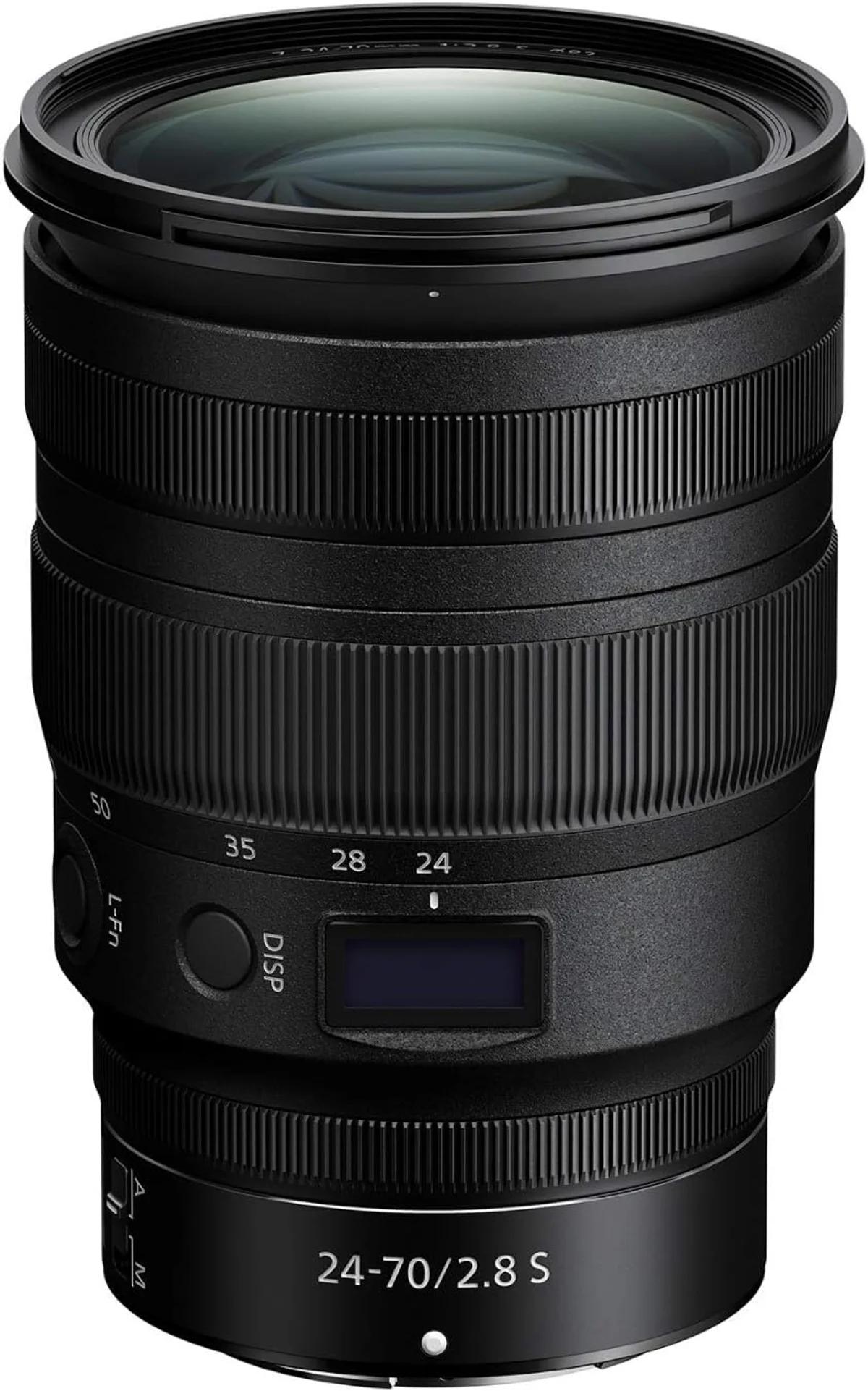
Based on our research, the Nikon Z 24-70mm f/2.8 S is our top pick — professional wedding, event, and studio photography.