How Teleconverters Work: More Reach, Less Light, and the Quality Cost
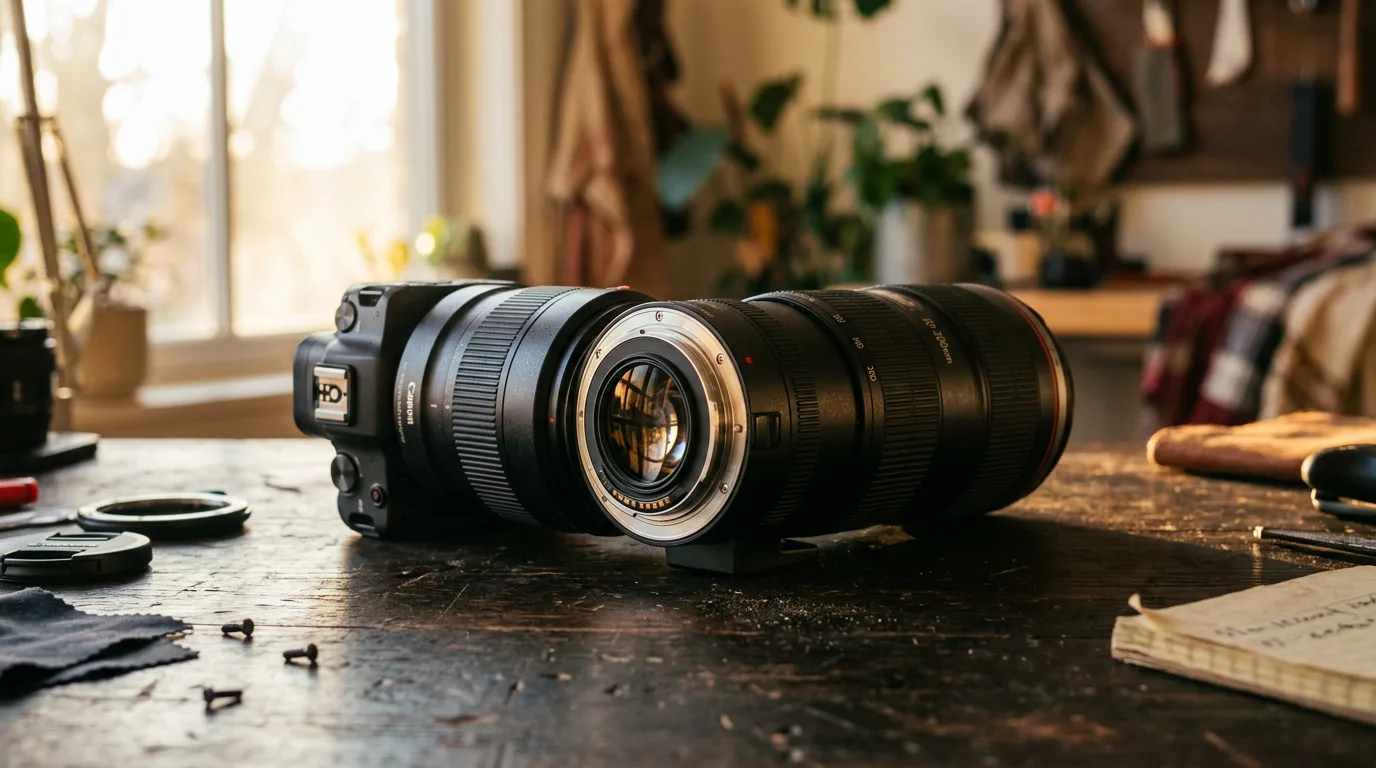
A teleconverter sits between your camera body and lens, magnifying the image to increase effective focal length. A 1.4x teleconverter turns a 200mm lens into a 280mm. A 2x TC doubles it to 400mm. The appeal is obvious — more reach without buying a longer, heavier, more expensive lens.
The cost is equally clear. Every teleconverter steals light and degrades sharpness. A 1.4x TC costs one stop of aperture. A 2x costs two stops. That f/2.8 telephoto becomes f/4 or f/5.6, and the optical quality drops by a measurable amount. Whether the reach gain justifies the quality loss depends on your subject, your base lens, and your camera body's resolution.

The Optics Behind Teleconversion
A teleconverter is a diverging optical system — it spreads the light cone from the base lens before it reaches the sensor. This spread increases the image circle's magnification, which is why the effective focal length goes up. But spreading light across a larger area means less light per unit of sensor surface, which is why the aperture value increases (gets slower).
The focal length multiplication is exact. A 1.4x TC on a 300mm f/4 lens gives you precisely 420mm at f/5.6. A 2x on the same lens yields 600mm at f/8. The math is simple multiplication for both focal length and f-number.
The sharpness penalty is more complex. Teleconverters magnify everything the base lens produces — including optical aberrations. A lens with mild chromatic aberration at 300mm shows more pronounced color fringing at 420mm with a TC. Corner softness, already visible at the edges of a telephoto image, gets magnified too. High-quality base lenses tolerate TCs better because they start with fewer aberrations to amplify.
1.4x vs 2x: The Practical Difference
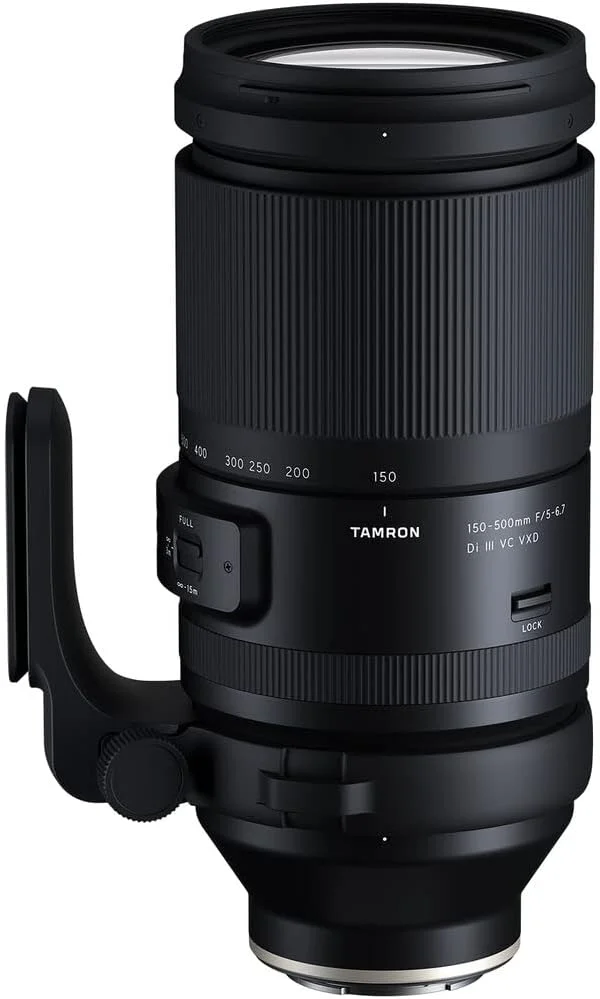
The 1.4x teleconverter is the workhorse option for most photographers. One stop of light loss is manageable — an f/2.8 lens drops to f/4, which still allows reliable autofocus on nearly all camera bodies. The sharpness penalty is typically 10-15% on MTF measurements, enough to detect in test charts but rarely obvious in real-world photos, especially when shooting at one stop down from maximum aperture.
The 2x TC offers more reach but demands a higher price in every category. Two stops of light loss turns f/2.8 into f/5.6 and f/4 into f/8. At f/8, many older camera bodies lose autofocus entirely — their phase-detection sensors need f/5.6 or brighter to function. Current mirrorless bodies handle f/8 AF much better, but focus speed still drops.
Sharpness loss with a 2x typically runs 20-30% on test charts. This is visible in detailed subjects — feather barbs on birds, texture on distant buildings, fine text. For many subjects, the loss is acceptable. For pixel-level detail work (astrophotography, bird ID photography where feather patterns matter), the 2x TC often disappoints experienced shooters who expect the same crispness as their native lens.
A useful rule: if you need 40% more reach, the 1.4x is almost always the right choice. If you need double the reach, compare the 2x TC against just buying a longer lens — the optical penalty of the 2x is steep enough that a dedicated 600mm lens (even a slower one) often produces better images.
Compatibility: Why Not Every Lens Works
Teleconverter compatibility is restricted by two physical factors and one electronic one.
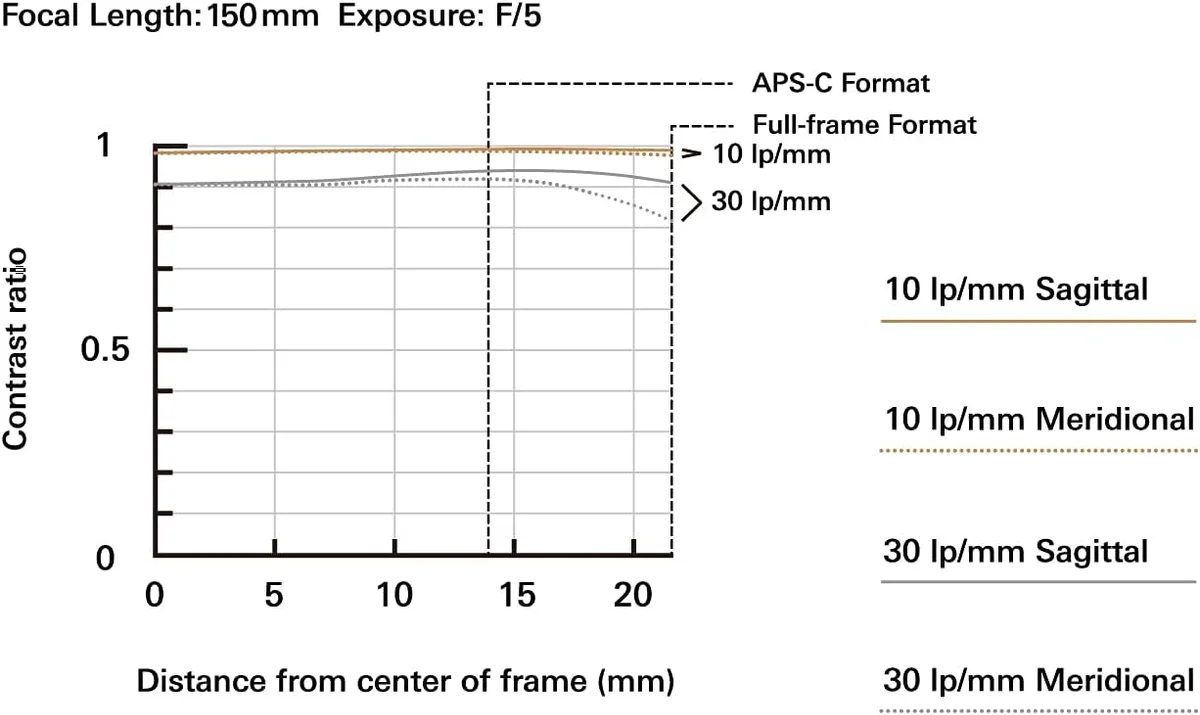
Rear element clearance. The TC's front element must not collide with the base lens's rear element. Many wide-angle and standard lenses have rear elements that protrude too far back into the mount cavity. This is why TCs typically only work with telephoto lenses — their rear elements are set deeper inside the barrel, leaving room.
Image circle coverage. The TC spreads the image circle, but it also needs an image circle large enough to work with. Wide-angle lenses with small image circles at the rear can produce vignetting or complete black corners when combined with a TC. Telephoto lenses project large image circles that accommodate the TC's magnification without problems.
Electronic communication. Modern TCs relay lens data to the camera body — focus distance, aperture, IS status — so the camera can adjust its AF algorithms and display correct EXIF data. Third-party or cross-generation TCs sometimes fail to communicate properly, causing AF errors, incorrect aperture display, or missing stabilization features. Canon's RF-mount TCs, for example, only officially support a specific list of RF telephoto lenses, even though some off-list lenses physically attach without issues.
Canon, Nikon, and Sony each publish compatibility charts for their teleconverters. Before buying a TC, check the chart for your specific lens. "Physically fits" and "fully compatible" are not the same thing.
Autofocus Performance with a Teleconverter
The impact on autofocus depends on three factors: the resulting maximum aperture, your camera body's AF system, and the AF motor in the base lens.
Aperture and AF sensitivity. Phase-detection autofocus systems need sufficient light to generate accurate readings. DSLR bodies typically require f/5.6 for reliable AF, with some cross-type points working to f/8. Mirrorless bodies are more capable — the Nikon Z8 and Z9 focus reliably at f/11 with 1.4x TC on f/8 base lenses, though speed drops compared to f/5.6 or brighter combinations.
AF motor speed. The TC adds physical distance between the AF motor and the camera body, which doesn't slow the motor itself but does change the focus throw required. Some AF tuning in the camera body compensates for this; others don't. The result is typically a 15-30% reduction in AF acquisition speed with a 1.4x TC and a 30-50% reduction with a 2x.
Tracking reliability. Subject tracking (eye AF, animal detection, vehicle tracking) generally maintains accuracy with a 1.4x TC, assuming adequate light. With a 2x TC, tracking success rate drops — especially in backlit or low-contrast conditions where the AF system was already near its limits. Sports and wildlife photographers shooting with 2x TCs learn to position themselves for front-lit subjects when possible.
When a Teleconverter Makes Sense
The strongest case for a TC: you already own a high-quality telephoto lens and need occasional extra reach. Carrying a 1.4x TC adds 100-200 grams to your bag and gives you a second focal length option without a second lens. Wildlife photographers traveling to a new location — see our wildlife and birding lens picks — often pack a 600mm f/4 with a 1.4x TC, giving them both 600mm and 840mm in one lens plus a small accessory.
The worst case for a TC: you're trying to compensate for a slow, soft, or optically compromised base lens. A teleconverter amplifies flaws. A budget 75-300mm zoom — like the one we compared in our Canon RF 75-300mm vs 100-400mm breakdown — that's already soft at 300mm will be unusable at 420mm with a 1.4x TC. The TC didn't break the lens — it revealed the existing weaknesses by magnifying them.
Middle ground: TCs work well on mid-priced to premium lenses that are optically strong but don't offer enough native reach for your needs. Our telephoto lens buying guide covers which lenses pair best with extenders. A Canon RF 100-500mm f/4.5-7.1L IS USM with a 1.4x TC yields 700mm at f/10 — not ideal in low light, but perfectly usable in daylight for bird and wildlife photography. That combination costs much less than a native 600mm or 800mm prime.
Teleconverter vs Crop: The Modern Alternative
High-resolution sensors have changed the teleconverter equation. A 45-megapixel sensor (Canon R5, Nikon Z7 II, Sony A7R V) cropped by 1.5x still yields roughly 20 megapixels — plenty for web publication, social media, and prints up to 16x20 inches. That 1.5x crop on a 200mm lens gives the same framing as 300mm, without touching optical quality.
The crop approach wins on sharpness (no optical degradation), AF speed (no aperture loss), and weight (no extra glass). The TC approach wins on resolution (all sensor pixels preserved) and viewfinder magnification (the subject appears larger in the viewfinder/EVF, making composition and tracking easier).
Many wildlife photographers now carry a 1.4x TC and also use crop mode, choosing between them based on conditions. Bright daylight with a distant subject? TC for maximum resolution. Low light with an erratic subject? Crop mode for faster AF and wider aperture. Having both options in your workflow is more valuable than committing to either one exclusively.
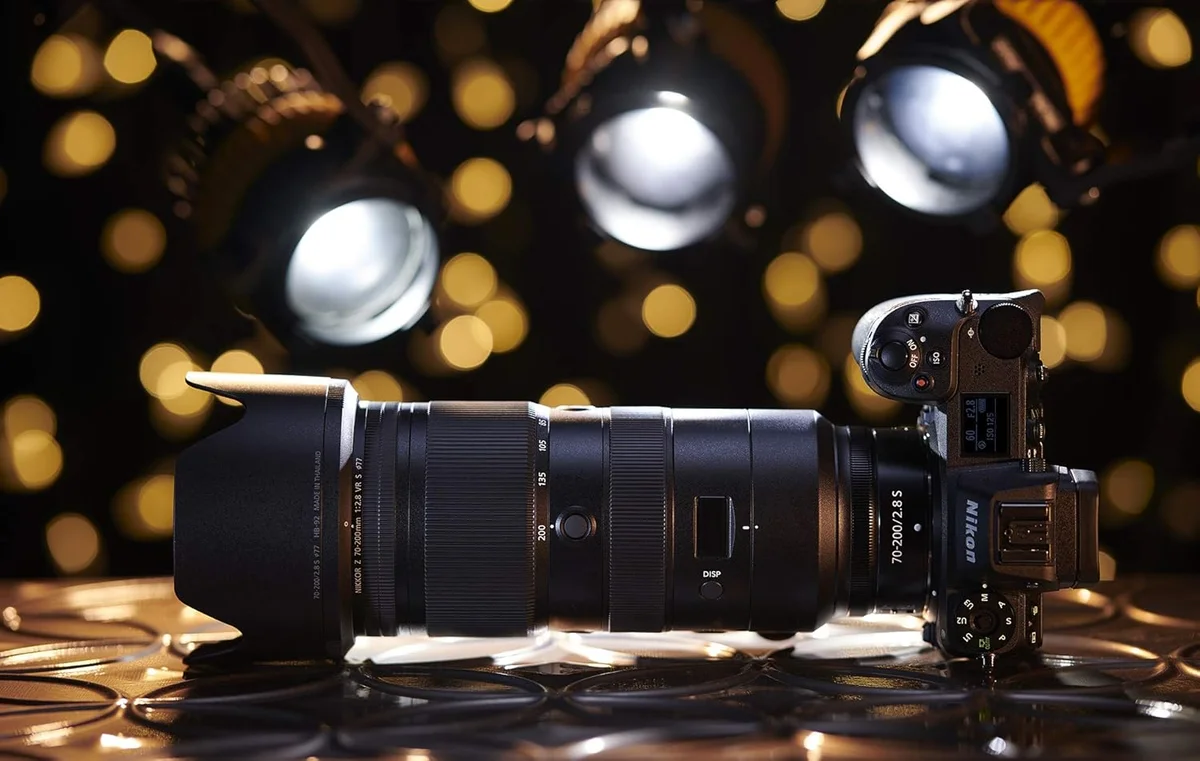
What Happens to Image Quality — Specifically
Beyond the general "sharpness drops" statement, here's what actually changes in your images when you add a teleconverter.
Center sharpness. With a 1.4x TC on a high-quality telephoto, center sharpness typically drops by 5-10% at wide open and recovers to near-native quality stopped down one stop. The Canon RF 100-500mm at 500mm f/7.1 with the RF 1.4x Extender produces 700mm f/10 images that, at f/13, are very close to the native 500mm at f/10. Stopping down one click compensates for much of the TC's optical penalty in the frame center.
Corner and edge sharpness. This is where TCs hurt most. Corners that were already the lens's weakest area get magnified, and the TC's own optical imperfections compound the issue. Expect 15-25% corner sharpness loss with a 1.4x and 30-40% with a 2x on typical telephoto lenses. For wildlife and sports subjects centered in the frame, corner softness rarely matters. For scenic or astrophotography where edge-to-edge sharpness counts, it's often a dealbreaker.
Chromatic aberration. Both lateral and longitudinal CA increase with a TC. Purple fringing on high-contrast edges (branches against sky, backlit subjects) becomes more visible. Modern camera bodies can correct lateral CA automatically using lens profiles, but longitudinal CA (color fringing in front of and behind the focus plane) isn't correctable in-camera. High-quality base lenses with ED or fluorite elements show less CA amplification because they start with less to magnify.
Contrast. Adding glass elements between the lens and sensor introduces additional air-glass surfaces where light reflects and scatters. This reduces overall contrast by a small but measurable amount. In high-contrast scenes (strong backlight, stage lighting), a TC can introduce slightly more flare or haze than the bare lens produces. Premium TCs with advanced multi-coatings minimize this effect, but they can't eliminate it entirely.
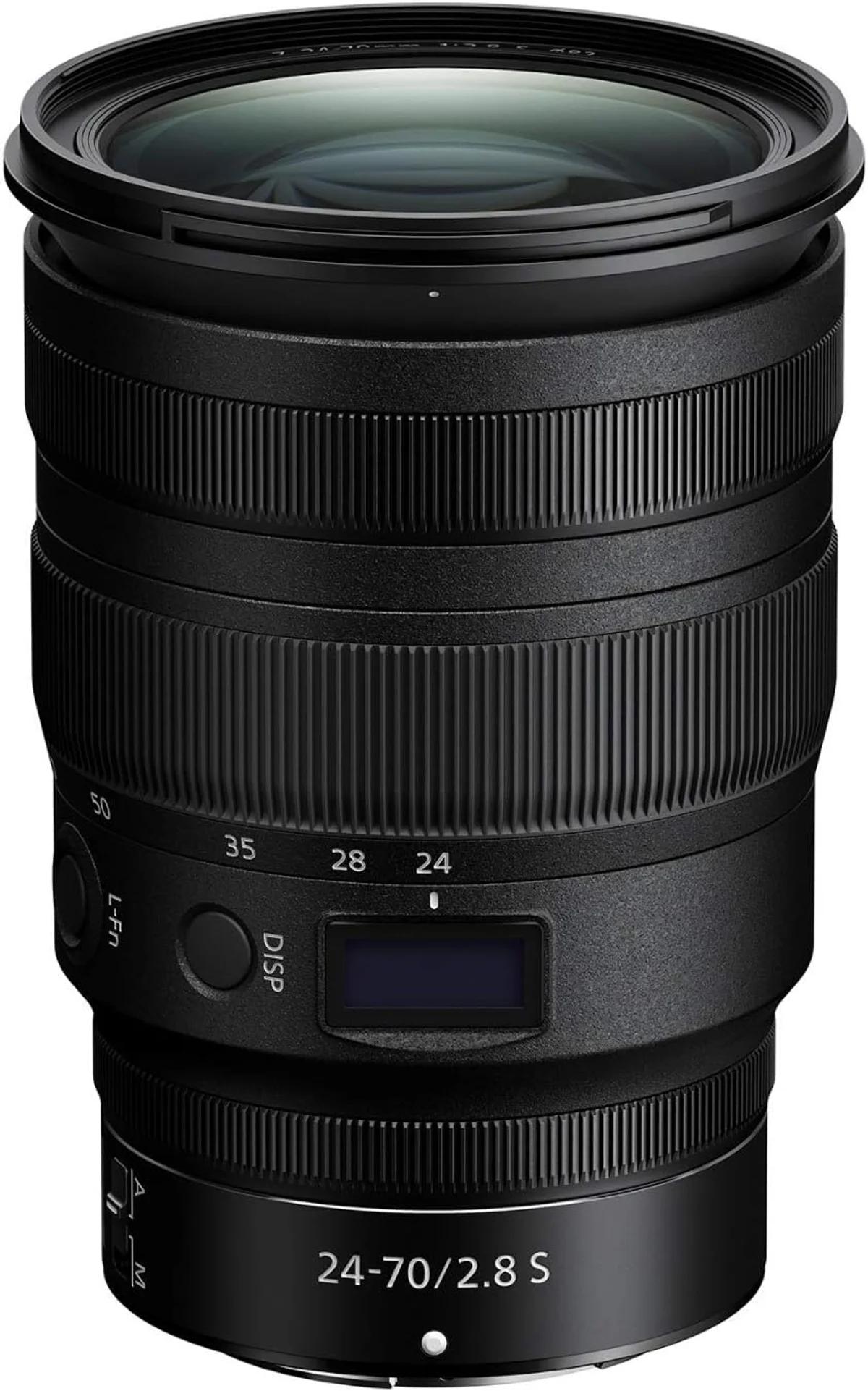
Buying Advice: OEM vs Third-Party TCs
OEM teleconverters (Canon Extender RF 1.4x/2x, Nikon Z TC-1.4x/2.0x, Sony SEL14TC/SEL20TC) guarantee full compatibility with the manufacturer's lenses. All AF features work. All communication protocols are supported. Firmware updates from the camera maker account for the TC's presence. Their prices are modest relative to the telephoto lenses they mount on.
Third-party options from Kenko cost roughly half as much and offer decent optical quality. The risk is compatibility — a Kenko TC might work fine with a current lens and body, but a camera firmware update six months later could break communication or disable specific AF modes. Kenko releases firmware updates to address these issues, but there's always a lag between the problem appearing and the fix arriving.
For professional work where AF reliability matters on every shot, the OEM teleconverter pays for itself in missed-shot prevention. For enthusiasts who can tolerate occasional AF hesitation and don't need bleeding-edge tracking features, third-party TCs offer solid value.
Teleconverter Care and Field Handling
Teleconverters expose their front and rear elements every time you mount or unmount them. Both surfaces sit inside the optical path, and any dust, oil, or fingerprint on either element degrades image quality more than the same contamination on a lens's front element would. Carry a microfiber cloth and a blower in any bag that includes a TC. Mount and unmount in sheltered conditions when possible — wind-blown sand and rain are the enemy.
Store the TC with both caps on. If you swap between TC and bare lens frequently during a shoot (common for wildlife photographers adjusting to changing subject distances), consider a holster pouch clipped to your belt or bag strap so the TC stays accessible without sitting exposed on a rock or car hood. The rear cap matters more than the front — the rear element is the one closest to the sensor, and any contamination there shows up directly in images. A scratched rear element makes the TC unusable regardless of how good the optics otherwise are.
Teleconverter Questions
Answers to common questions about teleconverter compatibility, image quality, and when to use one versus other reach-extending options.
Can I stack two teleconverters for even more reach?
Physically, most teleconverters cannot be stacked because they share the same mount interface. Even with adapters that allow stacking, the results are poor — you lose too many stops of light (3+ stops with two 1.4x TCs), autofocus stops working on most bodies, and image quality degrades badly. A longer native lens or heavy crop produces better results.
Do teleconverters work with zoom lenses?
Some zoom lenses are compatible, but support varies by manufacturer. Canon and Nikon restrict TC compatibility to specific telephoto zooms (typically 70-200mm f/2.8 and 100-400mm/200-600mm class). Third-party zooms from Tamron and Sigma may not support TCs at all. Always check the specific lens-TC compatibility chart from the manufacturer.
Will a teleconverter affect image stabilization?
Yes, in a positive way. The stabilization system in the base lens still operates normally, and the effective stabilization improves because the TC magnifies the image (including any stabilization corrections). A lens rated for 4 stops of IS still delivers approximately 4 stops of correction with a TC attached — at the longer effective focal length, that matters more.
Why are some lenses marked as incompatible with teleconverters?
Two reasons. First, the rear element of some lenses extends too far back to physically clear the front element of the TC. Second, manufacturers may not guarantee AF performance when the combined maximum aperture falls below f/8 (or f/11 on some bodies), since phase-detection AF systems need sufficient light.
Are third-party teleconverters worth considering?
Kenko makes the most widely used third-party TCs. Quality is decent but typically a step below OEM options from Canon, Nikon, or Sony. Third-party TCs may not support all AF features (eye detection, animal tracking), and firmware incompatibilities can emerge with new camera bodies. OEM TCs cost more but guarantee full compatibility.
Teleconverter or crop mode — which gives better results?
It depends on your sensor resolution. A 45-megapixel camera cropped 1.5x still yields 20 megapixels — more than enough for web and many print uses. A TC on a 24-megapixel body preserves all sensor pixels while adding reach. The TC wins on resolution per pixel, but introduces optical quality loss. Test both approaches with your specific gear.