Telephoto Lens Buying Guide: Reach, Speed, and Value
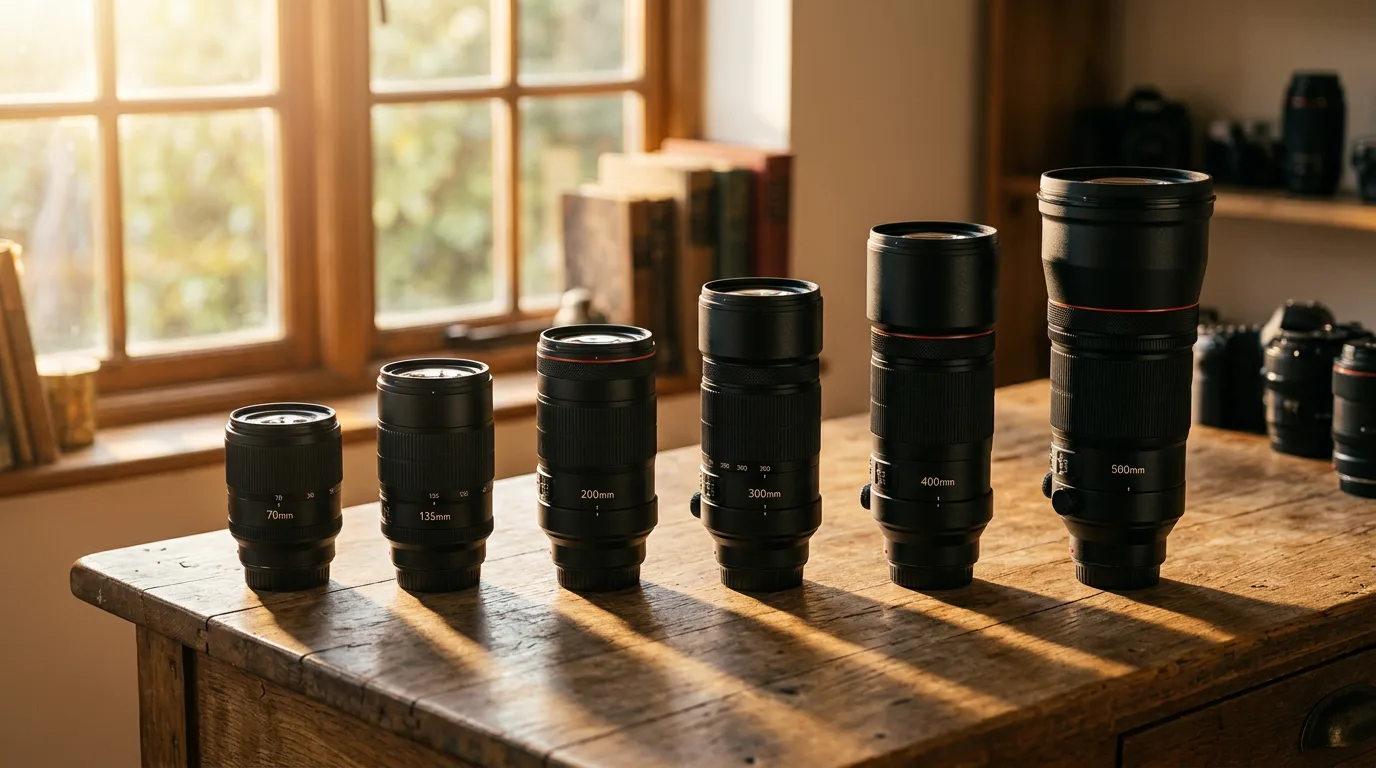
Telephoto lenses are the most varied category in photography. The range spans from a consumer 70-300mm zoom to a professional 600mm f/4 prime that costs dozens of times as much — and both serve legitimate purposes for different photographers. The challenge isn't finding a telephoto lens; it's finding the right balance of reach, aperture, weight, and cost for your specific subjects and conditions.
This guide breaks down the telephoto buying decision by use case, budget, and mount system. From backyard birding to sideline sports photography, you'll find specific recommendations and the reasoning behind them.
Understanding Telephoto Focal Length Ranges
"Telephoto" covers an enormous span, and different ranges serve different subjects. Here's how focal lengths map to practical use:
- 70-200mm (short telephoto): Events, portraits, indoor sports, controlled wildlife. The 70-200mm f/2.8 is the single most popular professional lens category — the Nikon Z 70-200mm f/2.8 VR S exemplifies why. Fast enough for indoor light (f/2.8), long enough for headshots (200mm), and short enough to be handheld all day.
- 100-400mm (medium telephoto): The all-rounder for outdoor work. Covers outdoor sports from moderate distance, zoo wildlife, garden birds, and amateur motorsport. Most 100-400mm lenses are f/4.5-5.6, making them daylight-dependent.
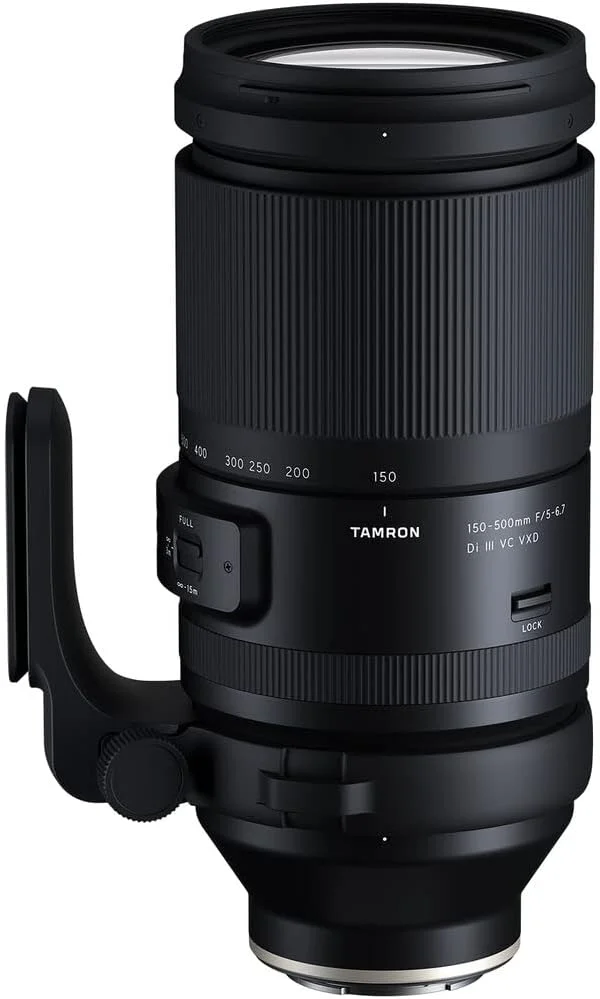
- 150-600mm (super-telephoto zoom): The reach class. Wildlife, birding, airshows, and any situation where your subject is more than 30 meters away. The Tamron 150-500mm and Sigma 150-600mm class define this range. Apertures of f/5-6.7 require good light or high ISO tolerance.
- 400mm+ primes: Professional-grade fixed focal lengths. 400mm f/2.8, 600mm f/4, 800mm f/5.6 — these are the tools of full-time sports and wildlife professionals. Maximum sharpness, fastest AF, widest available aperture at their focal length. Also the heaviest and most expensive category.
Aperture at Telephoto Focal Lengths: Why It Matters More
Aperture has an outsized impact on telephoto shooting for two connected reasons. First, telephoto subjects are often in challenging light — birds at dawn, athletes in indoor arenas, wildlife in forest shade. Every stop of aperture opens up ISO headroom that directly improves image quality. Second, telephoto AF systems need light to function accurately. A lens at f/2.8 gives the AF module four times more light than f/5.6, resulting in faster acquisition and better tracking reliability.
The practical aperture tiers for telephoto lenses:
- f/2.8: The professional standard. Usable from indoor sports to twilight wildlife. Allows 1/1000s+ shutter speeds at moderate ISO in most outdoor conditions. These lenses are large, heavy (1.2-1.5kg for 70-200mm, 2.5-3.5kg for 300mm), and expensive.
- f/4: The enthusiast sweet spot. One stop less light than f/2.8, but typically 40-50% lighter and cheaper. A 70-200mm f/4 weighs around 800g vs 1.4kg for f/2.8. In good outdoor light, f/4 delivers professional results. Limitations appear at dusk and in indoor venues.
- f/5.6-6.3: Budget and super-telephoto territory. Most 150-600mm zooms live here. Bright daylight delivers excellent results. Overcast days demand ISO 3200+, and AF tracking reliability decreases. Usable for most outdoor subjects with modern high-ISO cameras (Sony A7 IV, Nikon Z8, Canon R5).
- f/7.1-8: The maximum aperture of budget super-telephotos at the long end (Canon RF 100-400mm f/5.6-8, Canon RF 200-800mm f/6.3-9). Functional only in good light. AF may be limited to center points on some camera bodies. Best treated as "birding lenses for sunny days."
Stabilization at Long Focal Lengths
At 200mm, the reciprocal rule suggests a minimum shutter speed of 1/200s for sharp handheld images. At 500mm, that becomes 1/500s. Image stabilization extends these limits by 3-5 stops, which translates to meaningful improvements in the percentage of sharp frames per burst.
Lens-based OIS is more effective than body-based IBIS at telephoto focal lengths. The physical correction range of a sensor-shift IBIS system runs out at long focal lengths, while a lens-based IS element can be sized to the specific optical path. The best telephoto setup: lens OIS working in synergy with body IBIS, delivering 5-6 stops of combined correction on supported camera-lens pairs.
For video, telephoto stabilization is critical. A 200mm handheld video shot without IS looks like earthquake footage. Modern telephoto lenses offer dedicated video IS modes that prioritize smooth motion over maximum correction — a different optimization than the still-photo IS mode. Check whether your lens offers a video-specific IS setting if hybrid shooting is part of your plan.
Weight and Portability: The Hidden Cost
Telephoto lenses range from 500g (70-300mm consumer zooms) to 3.8kg (600mm f/4 primes). Weight isn't just a comfort issue — it determines how you shoot, what support equipment you need, and how long you can maintain the sustained concentration that wildlife and sports photography demand.
Under 1kg: Handheld all day. No support needed. Fits in a standard camera bag. Examples: Canon RF 100-400mm f/5.6-8 (635g), Tamron 70-300mm (580g).
1-2kg: Handheld for moderate sessions (1-3 hours). Monopod helpful for extended shoots. May need a larger bag. Examples: Tamron 150-500mm (1725g), Canon RF 100-500mm (1370g), Sony FE 200-600mm (2115g).
2-3.8kg: Tripod or gimbal head required for most shooting. Dedicated telephoto backpack or rolling case needed. Physical fitness is a genuine factor. Examples: Canon RF 600mm f/4L IS (3090g), Nikon Z 600mm f/4 TC VR S (3260g).
For traveling wildlife photographers, the sub-2kg super-telephoto zoom is often the pragmatic choice. The Tamron 150-500mm at 1.7kg fits airline carry-on limits and provides all-day handheld capability. The extra reach of a 600mm prime comes at a weight cost that changes how you travel and how long you can shoot.
Telephoto Lens Picks by Budget
Getting started with reach:
- Canon RF 75-300mm f/4-5.6 — basic telephoto for casual outdoor use
- Tamron 70-300mm f/4.5-6.3 Di III RXD, Sony E — sharper, faster AF
- Nikon Z DX 50-250mm f/4.5-6.3 VR — budget reach for APS-C Nikon Z
Next step up, serious reach and solid quality:
- Canon RF 100-400mm f/5.6-8 IS USM — compact and stabilized, f/8 limits low light
- Tamron 150-500mm f/5-6.7 Di III VC VXD (Sony E or Nikon Z) — the value champion for super-telephoto
- Sigma 100-400mm f/5-6.3 DG DN OS Contemporary — compact, sharp mid-range option
Pricier still, professional-tier zooms:
- Canon RF 100-500mm f/4.5-7.1L IS USM — L-series quality to 500mm
- Nikon Z 100-400mm f/4.5-5.6 VR S — S-line optics, faster aperture
- Sony FE 200-600mm f/5.6-6.3 G OSS — internal zoom, 600mm reach
- Tamron 50-400mm f/4.5-6.3 Di III VC VXD — extreme range in one lens
Top of the range, professional primes and premium zooms:
- Canon RF 70-200mm f/2.8L IS USM — the event workhorse
- Nikon Z 70-200mm f/2.8 VR S — Nikon's best zoom, period
- Canon RF 600mm f/11 IS STM — unusual budget fixed-aperture prime
AF Tracking at Telephoto Focal Lengths
Telephoto photography depends on autofocus more than any other focal length range. At 400mm, your subject occupies a tiny portion of the frame and moves rapidly through it — a bird in flight crosses from one side to the other in fractions of a second. The AF system must acquire, lock, and track the subject continuously while the lens motor drives heavy glass elements to maintain focus.
Three factors determine telephoto AF performance. Lens motor speed is first — linear motors (Canon Nano USM, Sony XD Linear, Tamron VXD) outperform older screw-drive and micro-motor designs. Second is the camera body's AF processor — newer bodies (Canon R5/R6 II, Nikon Z8/Z9, Sony A7R V/A9 III) use dedicated AI processors for subject detection and prediction. Third is available light — the lens's maximum aperture directly affects how much light the AF sensor receives.
For bird-in-flight photography (the most demanding AF scenario in consumer photography), the combination matters more than any single component. A fast-focusing 150-500mm zoom on a body with strong AI-assisted tracking produces better keeper rates than a sharper but slower-focusing 600mm prime on a body with basic AF. If your primary use is action at long focal lengths, prioritize AF system performance during your research — it's the single largest determinant of usable images from a shoot.
Eye AF and animal detection features have transformed wildlife telephoto shooting in the past three years. Where photographers once needed to manually place AF points on a bird's eye in a millisecond, modern cameras identify and lock onto animal eyes automatically. This feature works best with native lenses — third-party lenses sometimes lose access to eye detection or see reduced tracking accuracy. For serious wildlife shooters, testing eye AF performance with your specific lens-body combination before committing is essential.
System-Specific Telephoto Recommendations
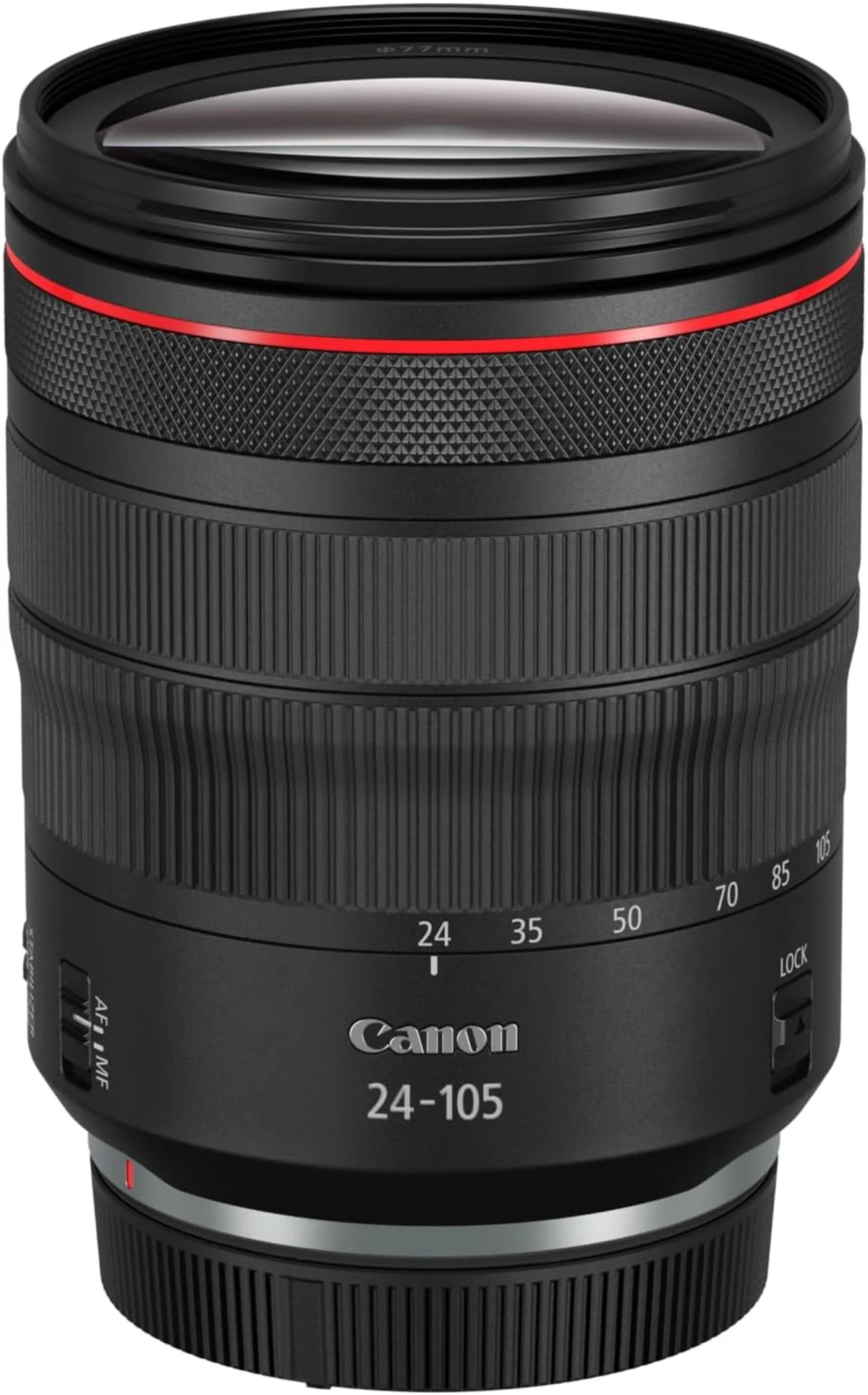
Canon RF system: Canon's RF telephoto lineup is the broadest. The RF 100-500mm f/4.5-7.1L IS USM is the most popular single wildlife lens for the system. For budget, the RF 100-400mm f/5.6-8 IS USM is compact and surprisingly capable in good light. The RF 200-800mm f/6.3-9 IS USM is the longest native zoom available. Tamron's 150-500mm in RF mount adds another option for Canon shooters seeking reach without the L-series price tag.
Nikon Z system: The Z 180-600mm f/5.6-6.3 VR is the standout — 600mm native reach at a reasonable price with excellent AF tracking. The Z 100-400mm f/4.5-5.6 VR S offers S-line optics in a lighter package. Tamron's 150-500mm f/5-6.7 for Z-mount provides a budget alternative. Nikon's Z 400mm f/4.5 VR S is the lightest native 400mm prime — ideal for traveling wildlife photographers. For shooters who want one lens covering wide through super-telephoto, the Nikkor Z 28-400mm f/4-8 VR trades aperture speed for a 14.3x zoom ratio that eliminates lens swaps entirely.
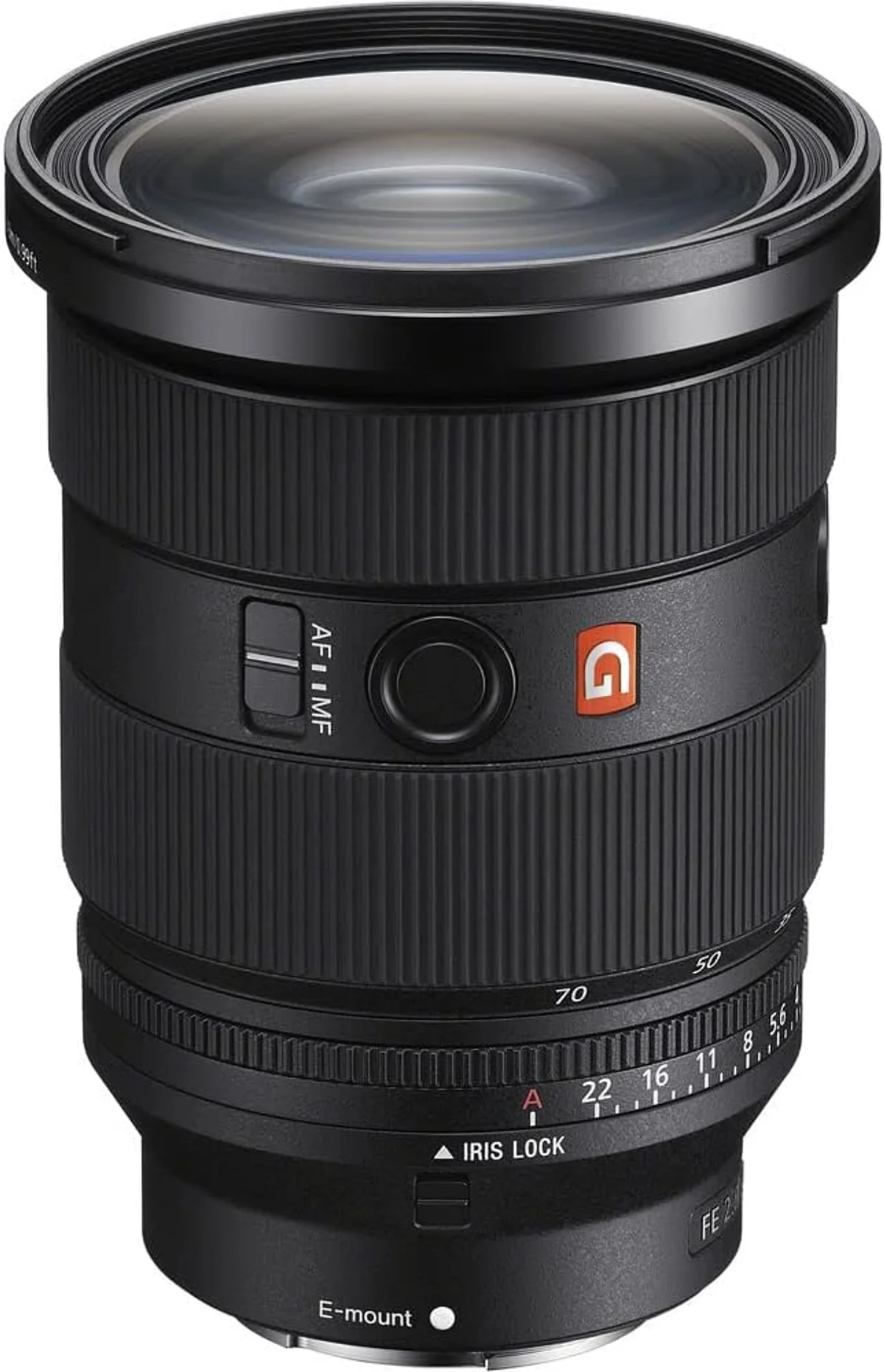
Sony E-mount: The deepest telephoto ecosystem. The FE 200-600mm f/5.6-6.3 G OSS is the value king for super-telephoto — internal zoom, solid IS, excellent AF tracking. The FE 100-400mm f/4.5-5.6 GM OSS handles mid-range reach. Tamron's 150-500mm and 50-400mm provide third-party options with excellent AF via VXD motors. Sigma's 60-600mm f/4.5-6.3 DG DN OS is the do-everything option at 10x zoom range.
Teleconverters: Extending What You Own
Before buying a longer lens, consider whether a 1.4x teleconverter on your existing telephoto delivers enough additional reach. A 1.4x TC on a 100-400mm zoom gives you 140-560mm with one stop of aperture loss and a 10-15% sharpness reduction. For occasional extra reach — the bird that's slightly too far, the athlete on the opposite end of the field — a TC is cheaper and lighter than a second lens.
Our Tamron 150-500mm review covers teleconverter compatibility in detail. The quick version: a 1.4x TC is almost always worth carrying. A 2x TC is a more situational tool that demands high-quality base glass to produce acceptable results.
Telephoto Shooting Technique That Matters More Than Glass
No telephoto lens outperforms poor technique. These fundamentals apply regardless of which lens you buy:
Shutter speed first. At 400mm, camera shake and subject motion both work against you. Set shutter speed before anything else. For stationary subjects: 1/focal length minimum (1/400s at 400mm), or 2-3 stops slower if your IS is reliable. For birds in flight: 1/2000s or faster. For running athletes: 1/1000s minimum. Let ISO float to compensate — modern cameras handle ISO 3200-6400 better than they handle motion blur.
Stabilize your stance. Elbows tucked, left hand cradling the lens barrel (not gripping the camera body), legs shoulder-width apart. Lean against a post, tree, or car if available. A relaxed breathing pattern matters — exhale and shoot during the natural pause between breaths. These physical basics recover 1-2 stops of handhold stability that no IS system can replace.
Burst shooting for keepers. At 500mm+ with moving subjects, a 10% keeper rate from a burst of 20 frames is normal for experienced wildlife photographers. Don't expect every frame to be sharp — shoot in bursts of 5-10 frames and select the best. High-speed electronic shutters (Canon R5 at 20fps, Nikon Z8 at 20fps, Sony A9 III at 120fps) dramatically improve keeper rates by giving you more frames to choose from.
Back-button AF. Reassign autofocus activation from the shutter button to a rear button (AF-ON or equivalent). This separates focusing from shooting, letting you pre-focus, lock, and fire without the AF re-acquiring between shots. For birds perched on a branch, lock focus once and shoot multiple compositions without risking AF reacquisition. For birds in flight, hold the back button continuously for tracking. This technique is near-universal among telephoto photographers.
Know your minimum focus distance. Every telephoto lens has a minimum focus distance — typically 1-3 meters for shorter telephotos and 3-5 meters for super-telephotos. Subjects closer than this distance produce blurry images no matter what. When a butterfly lands on your lens hood, you're too close. Step back until the lens can acquire focus, or switch to a shorter focal length.
Telephoto Buying Questions
Practical answers about choosing and using telephoto lenses for wildlife, sports, and event photography.
How much telephoto reach do I need?
For backyard birds: 400-600mm. For sports from the stands: 200-400mm. For safari wildlife: 200-600mm. For sideline sports photography: 300-400mm f/2.8. For airshows: 150-500mm covers most situations. Start with a 70-300mm or 100-400mm if you are unsure — you can always crop or add a teleconverter for occasional extra reach.
Is a 600mm f/6.3 sharp enough for bird photography?
Modern 600mm f/6.3 lenses (Canon RF 200-800mm, Nikon Z 180-600mm, Tamron 150-500mm + 1.4x TC) produce sharp images in good light. The key is shutter speed — 1/1000s minimum for perched birds, 1/2000s+ for birds in flight. In dim light (dawn/dusk forest shooting), f/6.3 demands high ISO that can reduce detail. For consistent low-light birding, f/4 or f/2.8 telephotos with larger apertures justify their much higher cost.
Should I buy a telephoto zoom or a telephoto prime?
Zooms for flexibility — most wildlife and sports photographers prefer the ability to frame tight or wide without changing lenses. Primes (400mm f/2.8, 600mm f/4) for maximum image quality, fastest AF, and widest apertures. Primes cost 3-10x more than equivalent zooms. Unless you are a full-time professional who depends on one focal length, a zoom is the practical choice.
Do I need a tripod or monopod for telephoto lenses?
At focal lengths above 300mm, some form of support helps. Monopods are the most popular choice for sports and wildlife — they allow quick repositioning while eliminating vertical shake. Tripods are essential for super-telephoto primes (600mm f/4, 800mm f/5.6) that are too heavy for extended handheld use. For lenses under 500mm with good IS, skilled handheld technique is viable in good light.
Why are some telephoto lenses so expensive?
Large aperture telephoto lenses require big, heavy glass elements made from exotic materials (fluorite, ED glass). Manufacturing tolerance is tighter at long focal lengths — tiny alignment errors produce visible softness. Fast AF motors must move heavy element groups quickly. Weather sealing, dust resistance, and professional-grade build quality add further cost. A 600mm f/4 represents the most demanding optical engineering in consumer photography.
What filter size should I look for in a telephoto lens?
Common filter sizes for telephoto zooms: 67mm (budget), 72mm (mid-range), 77mm (professional), 82mm (premium zooms). Many super-telephoto primes use rear drop-in filter holders instead of front-mounted filters because the front element is too large for practical thread-on filters. Matching filter sizes across your telephoto zooms saves money on ND and polarizer investments.
Our Top Recommendation
Based on our research, the Tamron 150-500mm (Sony) is our top pick — wildlife, birding, and aviation photography on sony.