What Is Focus Breathing? Why Your Lens Zooms When You Focus
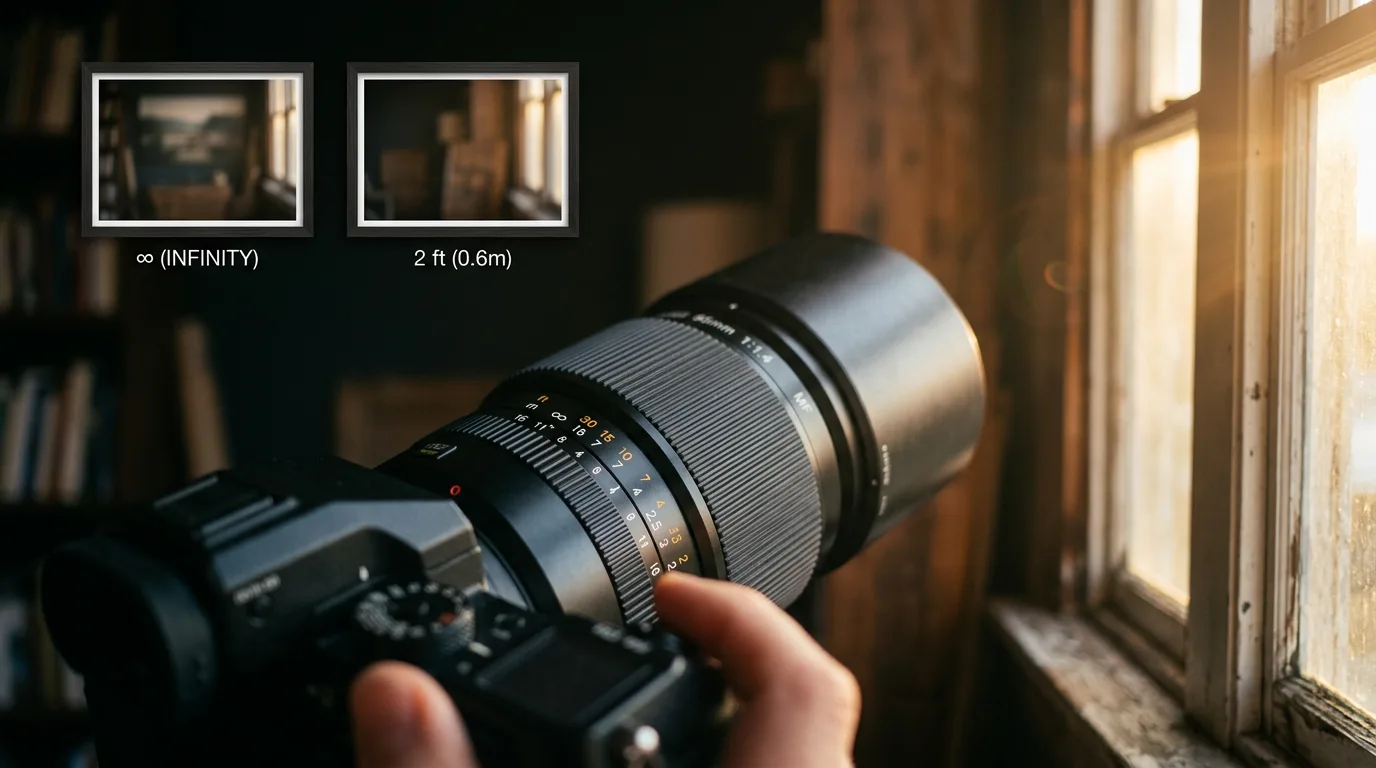
Pull focus from a distant subject to a close one, and on many lenses you'll notice the image appears to zoom slightly. The background gets larger or smaller. Objects near the edges of the frame shift position. This is focus breathing — a change in apparent focal length that happens as the lens moves its internal elements to focus at different distances.
For still photography, focus breathing is invisible. You take one photo at one focus distance, and the slight focal length shift doesn't affect the result. For video, especially any shot involving a rack focus, breathing can ruin the cinematic feel of a scene. It's one of the biggest optical differences between a photo lens and a cinema lens — and one that many first-time video shooters don't discover until they're already in the edit.
Why Lenses Breathe: The Optical Cause
In a simple lens, focusing means moving the entire optical assembly forward or backward relative to the sensor. This changes the distance between the lens and the image plane, which shifts the focus point. But it also slightly changes the effective focal length of the system — and that change is focus breathing.
Modern lenses use internal focusing (IF) designs where only a small group of elements moves while the lens barrel stays the same length. This is faster, quieter, and allows weather sealing. But IF designs can actually increase breathing, because moving a subset of elements changes the optical formula more than moving the entire assembly would.
The direction of breathing depends on the lens design. Some lenses appear to zoom in slightly when focusing close — the field of view narrows. Others zoom out, widening the field of view. A few complex zoom designs breathe in opposite directions at different focal lengths, making the behavior unpredictable.
How Much Breathing Is Normal?
There's no industry-standard measurement unit for focus breathing. Review sites typically express it as a percentage change in field of view when racking from infinity to minimum focus distance. Here are typical ranges:
- Cinema primes (Zeiss CP.3, Canon CN-E, ARRI Signature): Less than 1-2% field-of-view change. Specifically engineered to minimize breathing.
- High-end photo primes (Canon RF 50mm f/1.2L, Nikon Z 50mm f/1.2 S): Roughly 3-5%. Noticeable on careful examination but manageable for most video work.
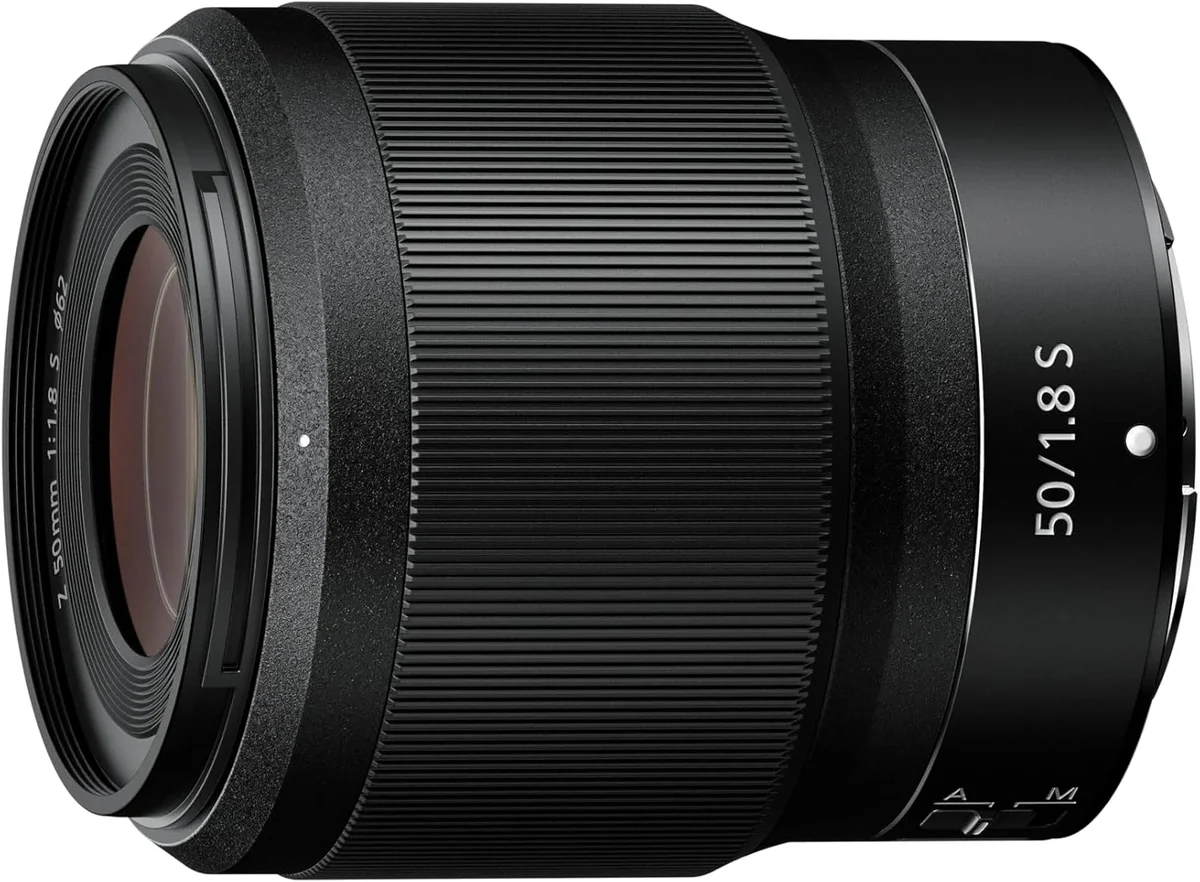
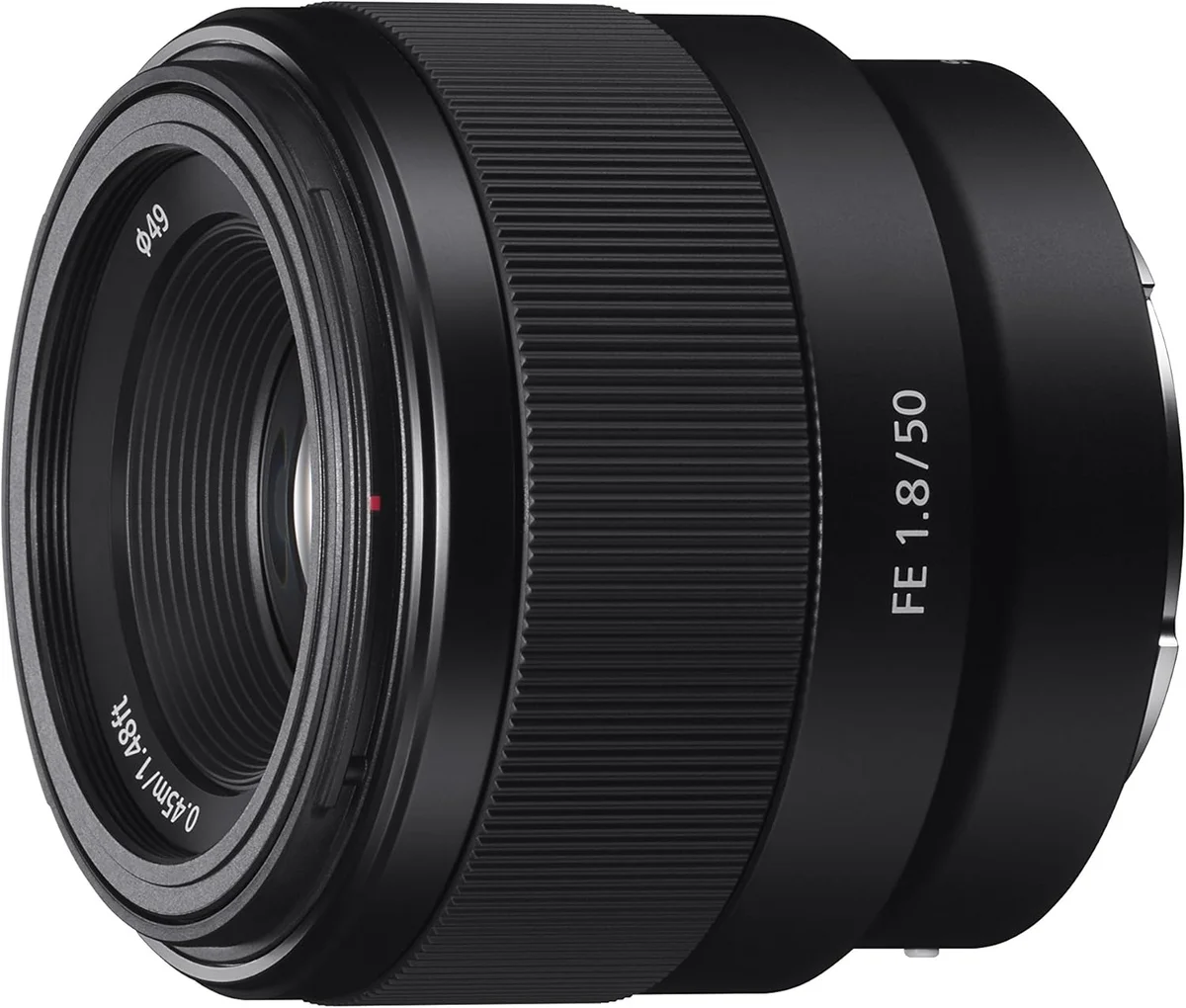
- Standard photo primes and zooms: 5-10%. Visible in rack focus shots. The Nikon Z 50mm f/1.8 S, for example, shows moderate breathing that's well-documented in video reviews.
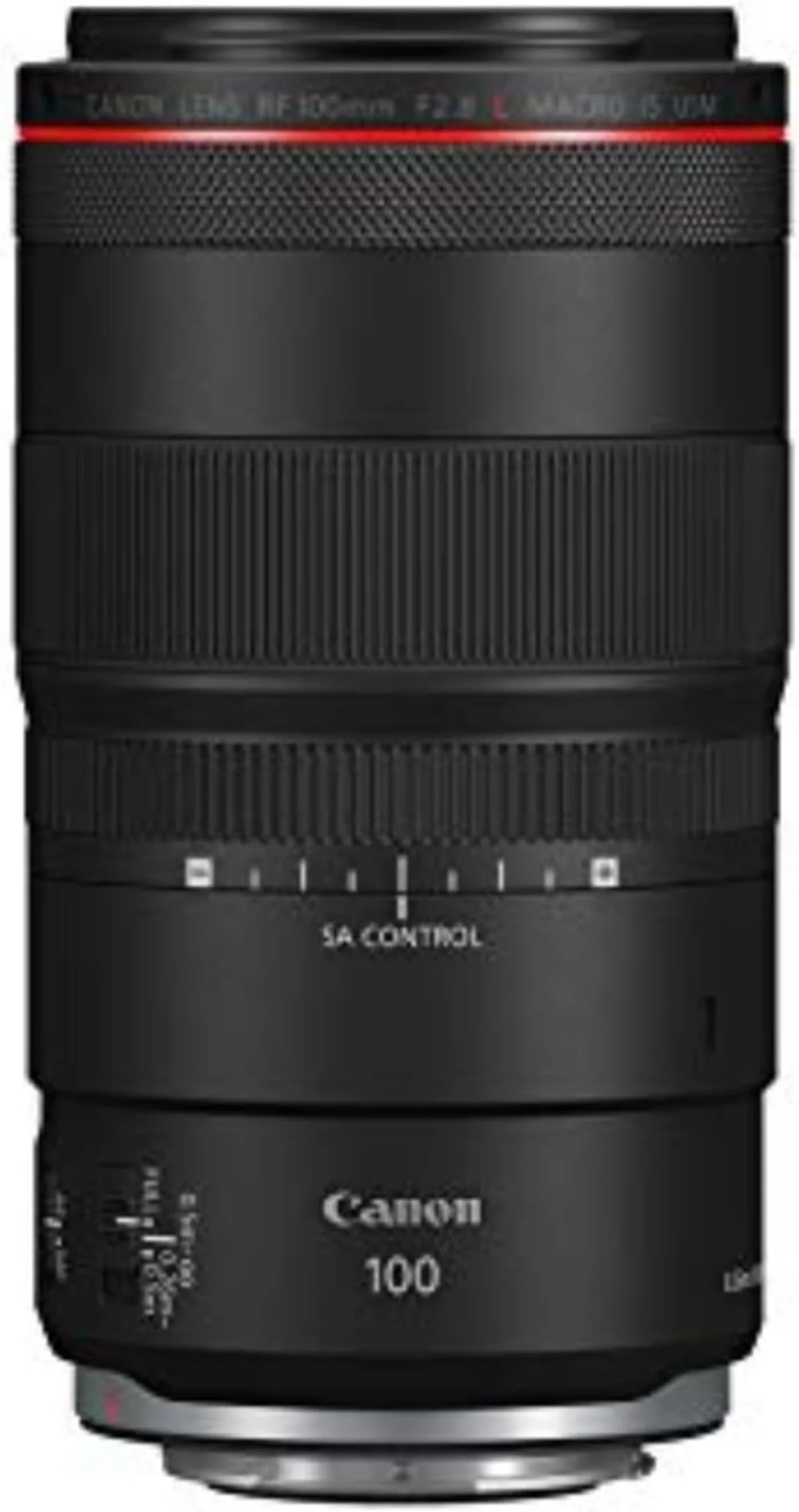
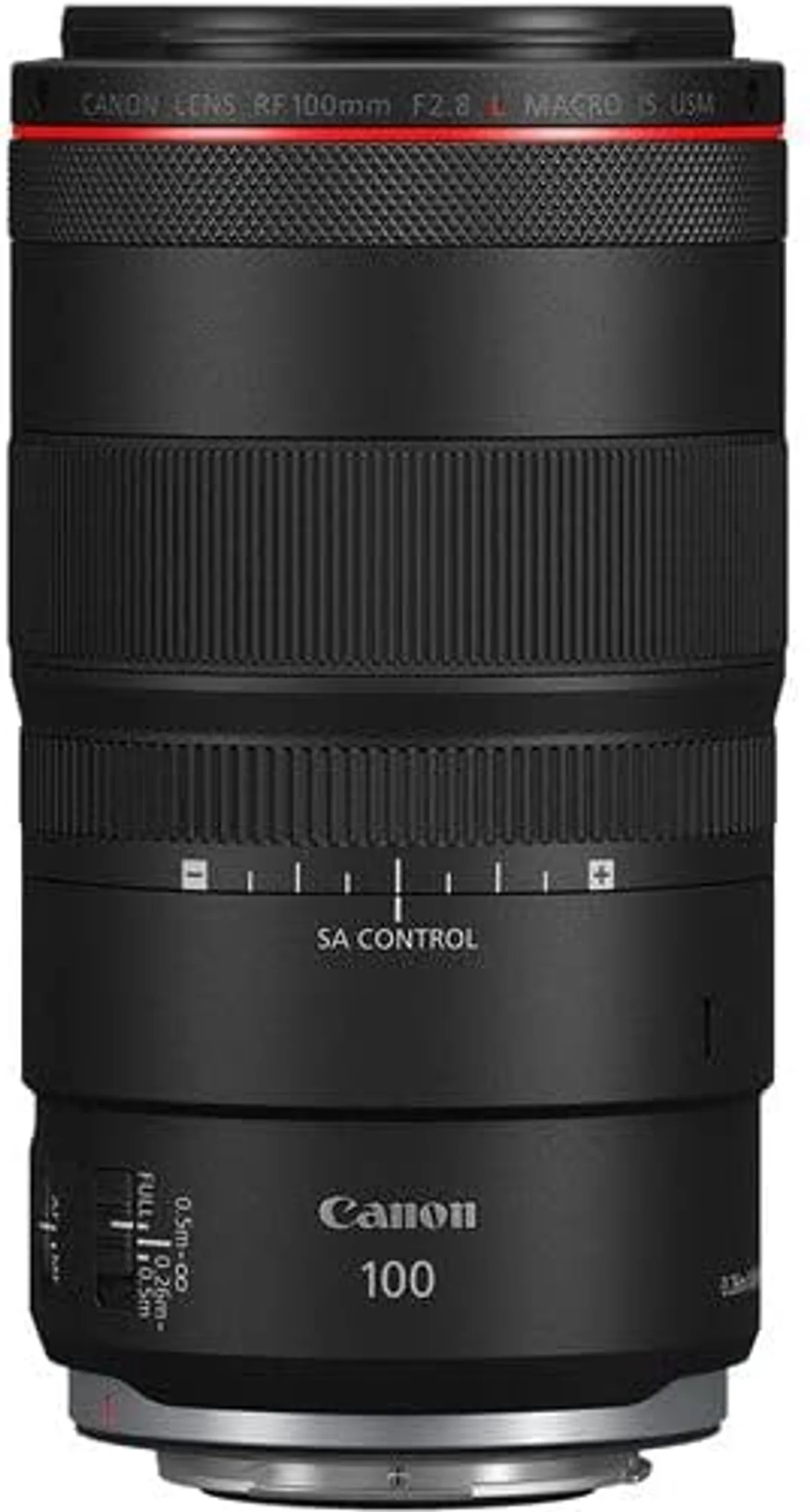
- Telephoto and macro lenses: 10-20% or more. The Canon RF 100mm f/2.8L Macro IS USM shifts noticeably through its huge focus range from infinity to 1.4:1 magnification. Macro shooters accept this as part of the optical compromise.
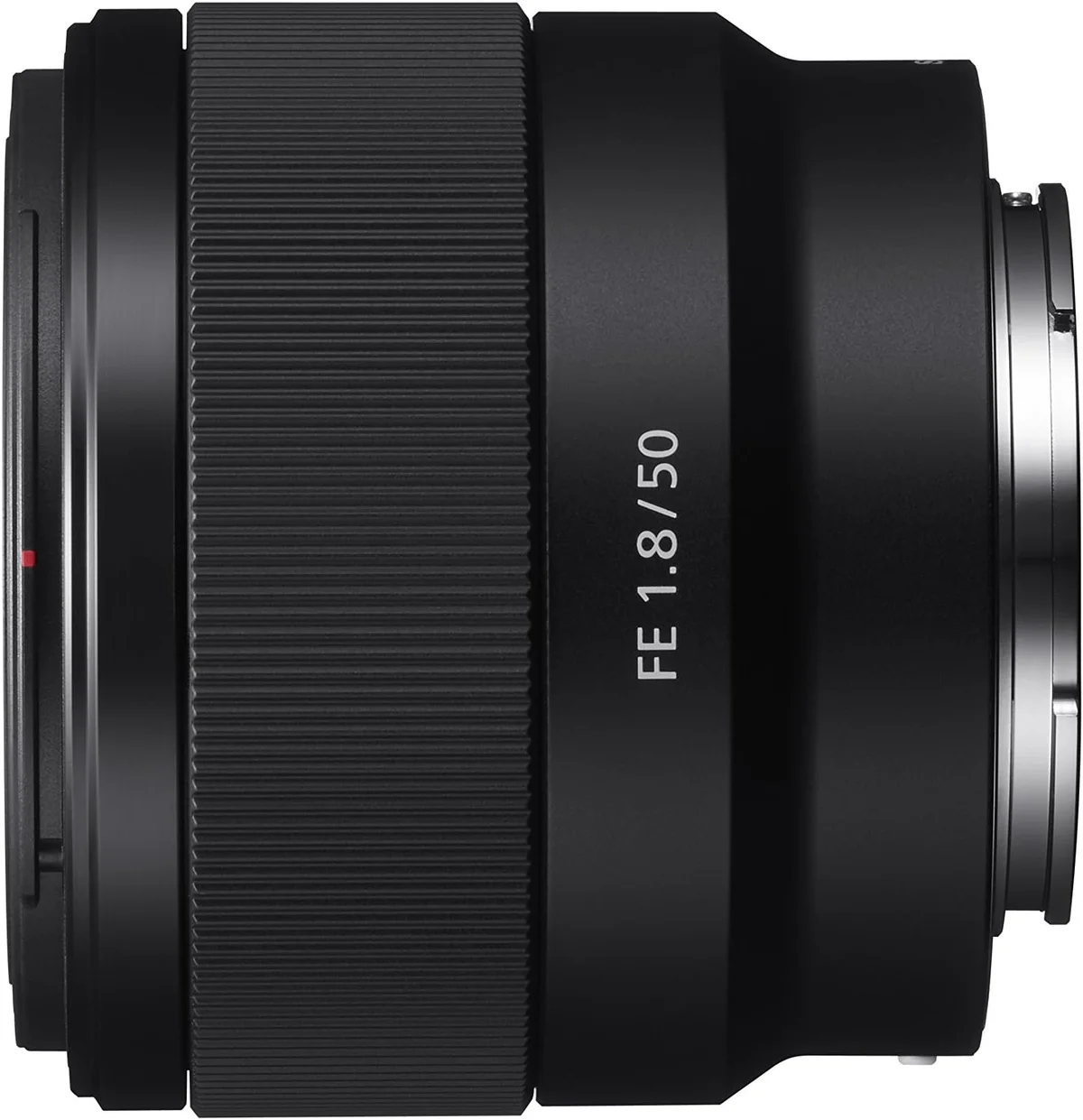
The Sony FE 50mm f/1.2 GM received unusual attention for its minimal breathing — Sony specifically optimized the internal focusing group to reduce focal length shift. This kind of breathing optimization was rare in photo lenses before the hybrid shooting era pushed manufacturers to address it.
Why Cinema Lenses Control Breathing
A rack focus is one of cinema's fundamental storytelling tools. The camera holds on a scene, focus shifts from one subject to another, and the viewer's attention follows. If the image zooms during the rack, it breaks the illusion. The audience becomes aware of the camera instead of the story.
Cinema lens designers solve this with compensating elements — additional glass groups that move in opposition to the focusing group, canceling out the focal length shift. This adds weight, complexity, and cost, but it keeps the image stable during focus pulls. It's one of the reasons a set of cinema primes costs several times more than equivalent photo primes with similar optical resolution.
On a film set, a focus puller (1st AC) performs rack focuses by hand, turning the focus ring to precise marks. Breathing would make their job harder and the results worse. The 1st AC needs to know that racking from 6 feet to 15 feet changes focus and nothing else — no zoom shift, no framing change, no repositioning the subject within the frame.
Electronic Breathing Compensation
Sony documents Breathing Comp. for video recording on the A7 IV. It reduces changes in the angle of view as focus distance changes. See the Sony A7 IV Lens Compensation guide for the setting and its limitations.
The camera and lens must both support the feature. Check the exact pairing in Sony's breathing-compensation compatibility list, including any firmware requirements. A lens fitting the mount or communicating with the camera does not establish support.
Compensation adjusts the recorded framing rather than changing the lens optics. Sony warns that enabling it slightly changes the angle of view and image quality, and that some lenses may still show breathing. There is no single resolution-loss percentage to apply to every setup.
Before a shoot, compare a focus pull with compensation on and off using your intended lens, focal length and recording settings. Check the framing, fine detail and any remaining movement before deciding whether the result suits your footage.
Breathing in Practice: Real Shooting Scenarios
Interview and talking-head setups. The camera is locked on a tripod, the subject sits at a fixed distance, and focus doesn't change. Breathing is irrelevant. Even a lens with heavy breathing works fine here because you never rack focus.
Run-and-gun documentary. Continuous autofocus tracks subjects as they move. The camera adjusts focus constantly, and breathing causes a subtle but continuous zoom wobble. Whether this matters depends on how close the subject is and how much the focus distance changes. Walking interviews with the subject at a steady distance? Barely noticeable. A subject walking toward the camera from 20 feet to 3 feet? Very visible.
Narrative rack focus. This is where breathing matters most. A deliberate, slow focus pull from one subject to another — a face to a hand, a foreground object to a distant figure. Any breathing here is distracting. This is the scenario that drives cinematographers to spend more on low-breathing glass.
Product and food photography (video). Tight shots with shallow depth of field, often with focus racks from a label to a background element. Breathing shows immediately at these close distances because the focus range covers a larger proportion of the lens's total travel.
Wildlife and sports video. Subjects at long distances with telephoto lenses. Focus distances swing wildly (a bird flying from 100 feet to 30 feet), and telephotos already breathe more than wide lenses. Continuous AF wobble plus breathing creates a visible pumping effect. Many wildlife videographers learn to shoot with manual focus or AF-lock points to minimize this.
How to Test Your Lens for Breathing
Set your camera on a tripod facing a flat subject with fine detail — a brick wall, bookshelf, or newspaper taped to a wall works well. Frame the shot so you can see all four edges clearly. Switch to manual focus and record video while slowly racking from minimum focus distance to infinity.
Watch the playback at full screen. Look at objects near the edges of the frame — do they move inward or outward? Does the apparent magnification change? Compare the first and last frames side by side. The difference in framing between the closest and farthest focus positions shows the total breathing range.
Test at both the widest and a mid-range aperture. While breathing itself doesn't change with aperture, shallower depth of field at wider apertures makes the background size shift more visually obvious. Testing at f/4 or f/5.6 gives you a clearer view of the actual framing change without depth-of-field distractions.
Lenses Known for Low Breathing
Among photo lenses, several models stand out for controlled breathing behavior:
- Sony FE 50mm f/1.2 GM — Specifically optimized for hybrid shooters. Minimal breathing across the focus range.
- Nikon Z 50mm f/1.8 S — Moderate breathing; check the exact camera and lens combination before relying on electronic compensation.
- Tamron 35-150mm f/2-2.8 Di III VXD — Unusual for a zoom: controlled breathing across most of the zoom range, making it popular for video despite being a photo lens.
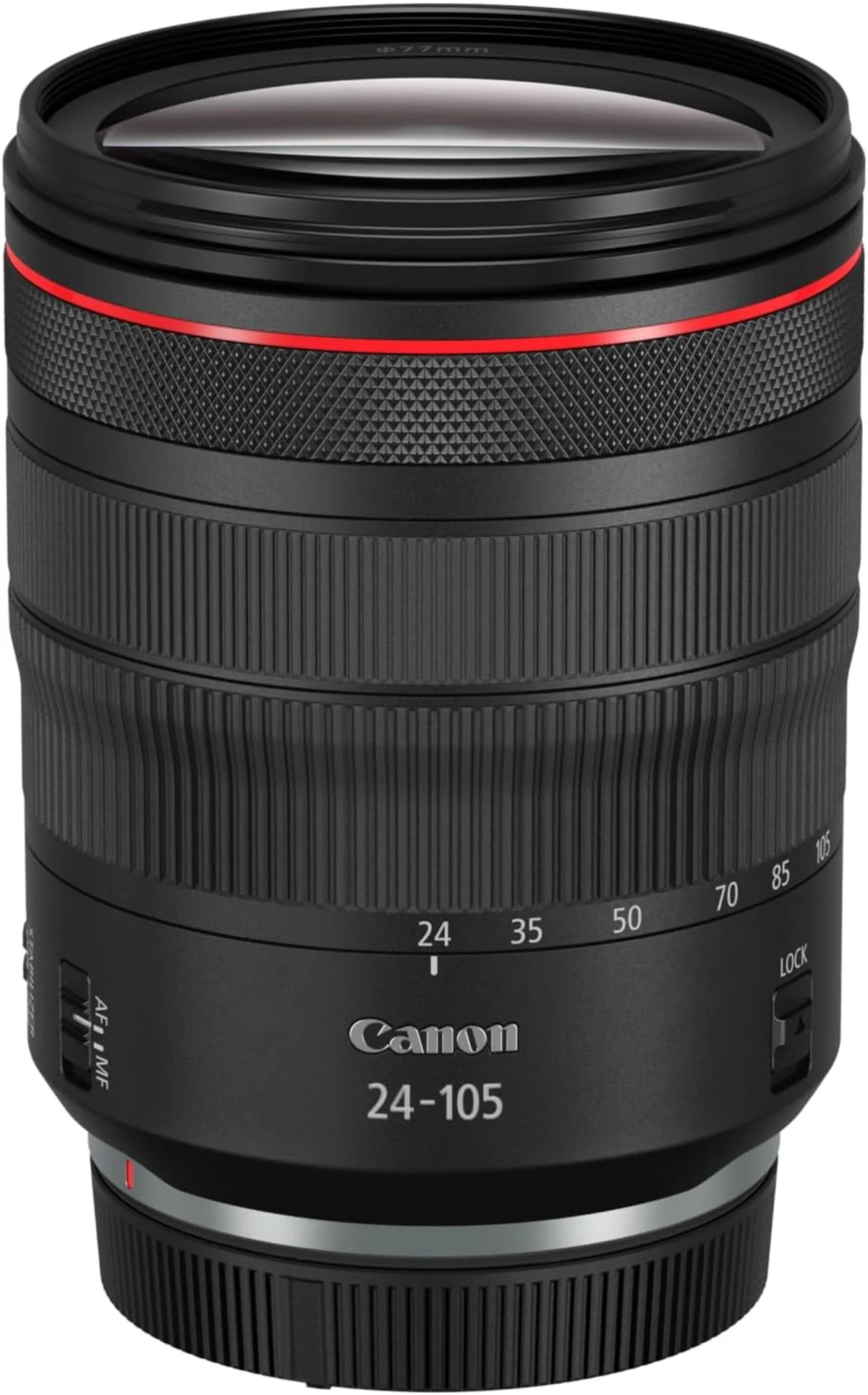
- Canon RF 24-105mm f/4L IS USM — Canon's workhorse zoom breathes moderately, but its consistency across the zoom range makes it predictable for video.
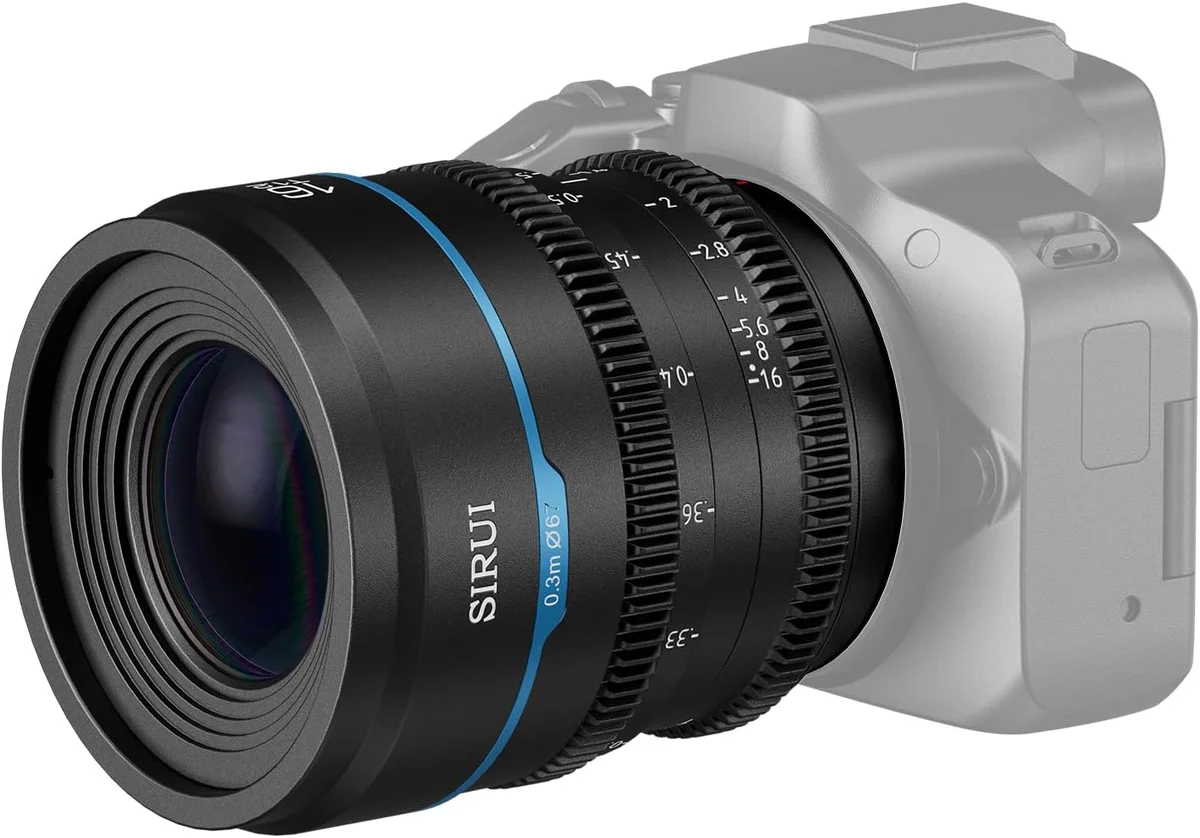
The SIRUI 24mm f/1.8 1.33x Anamorphic, designed from the start as a cinema lens, exhibits minimal breathing — a priority for any lens intended for narrative filmmaking. Budget cinema options from Meike and 7Artisans also prioritize breathing control, though their optical quality in other areas (sharpness, chromatic aberration) may lag behind premium cine glass.
Adapting Your Technique to Breathing
If you can't avoid breathing in your current lens kit, several techniques reduce its visual impact in footage.
Slow your rack focuses. A fast snap between focus points emphasizes the zoom shift because the field of view changes abruptly. A slow, controlled pull gives the viewer's eye time to follow the focus transition, making moderate breathing less jarring. Many professional focus pulls last 2-4 seconds for this reason — and slow racks also look more cinematic than snappy ones.
Shoot tighter than needed and crop in post. If you know a lens breathes outward (widening the field of view at close focus), frame your subject slightly tighter than the final composition. When breathing widens the shot, the result lands at your intended framing. This only works consistently if you know the breathing direction, which is why testing before a shoot matters.
Use subject motion to mask breathing. If your subject is walking toward camera, the natural size increase of the subject partially counteracts the zoom-out effect of breathing. The viewer perceives the subject growing larger (expected) rather than the background changing size (unexpected). Movement-heavy scenes are inherently more forgiving of breathing artifacts.
Rely on deep focus when possible. Shooting at f/5.6 or f/8 gives you enough depth of field that small focus adjustments don't require large element movements inside the lens. Less element movement means less breathing. This works well for outdoor documentary work where ambient light supports smaller apertures, but it eliminates the shallow depth-of-field look that many video shooters want.
Post-production stabilization. Warp Stabilizer in Premiere Pro and similar tools in DaVinci Resolve can partially compensate for breathing by applying an inverse crop/zoom. The results aren't perfect — they work better for slight breathing than heavy cases — but they can rescue footage that would otherwise need reshooting.
Breathing and Lens Design Generations
Lens manufacturers have begun treating focus breathing as a primary design parameter rather than an acceptable side effect. Sony's second-generation G Master primes (the 50mm f/1.4 GM, 85mm f/1.4 GM II) show measurably less breathing than their predecessors, reflecting Sony's push into hybrid photo-video markets. Nikon's Z-mount S-line primes were designed with breathing reduction from the start — the Z 50mm f/1.8 S and Z 85mm f/1.8 S both breathe less than their F-mount equivalents.
Optical breathing control is part of the lens design. Electronic compensation instead adjusts the recorded framing on supported camera and lens combinations. Check the manufacturer's compatibility information and compare footage before relying on it; compensation may leave some breathing visible and can affect framing and image quality.
Focus Breathing Questions Answered
Practical questions about focus breathing, its impact on video, and how to work around it with photo lenses.
Can focus breathing be fixed with firmware updates?
Some supported cameras can reduce visible focus breathing electronically during video recording. Sony documents Breathing Comp. on the A7 IV with compatible lenses. Check the camera manual, lens compatibility list and firmware requirements before relying on it. Compensation changes framing and can affect image quality; it may not remove all breathing.
Do all lenses breathe?
Nearly all lenses exhibit some degree of focus breathing. The amount varies from barely perceptible (many cinema primes show less than 1% field-of-view change) to highly visible (some telephoto photo lenses shift by 10-20%). Lenses optimized for stills rarely prioritize breathing control since it has no effect on single-image quality.
Is focus breathing worse at certain apertures?
Focus breathing itself is independent of aperture — it is caused by focal length shift during focusing, not by the diaphragm. But the visual impact of breathing can appear more noticeable at wider apertures, where the shallower depth of field makes the size change of background elements more obvious.
Does focus breathing affect autofocus performance?
No. Autofocus systems operate independently of focus breathing. The AF module or phase-detection pixels track subject distance regardless of any field-of-view change. Breathing is purely a visual artifact — the lens still focuses accurately even when the image appears to zoom slightly.
Which lens types breathe the most?
Telephoto lenses with internal focusing designs tend to show the most breathing. Macro lenses also breathe heavily because they cover an enormous focus range from infinity to 1:1 magnification. Wide-angle primes generally breathe the least, as their short focal lengths produce smaller absolute shifts.
Should I avoid a lens just because it breathes?
For photography only, focus breathing is irrelevant — it has zero effect on image quality, sharpness, or exposure. For video, it depends on your shooting style. Rack focuses (pulling focus between subjects) make breathing obvious. If you mostly shoot with continuous AF tracking a single subject, moderate breathing rarely causes problems in the final footage.