Understanding Lens Specs: What the Numbers Mean

A camera lens spec sheet reads like an engineering document: "RF 24-105mm f/4L IS USM, 18 elements in 14 groups, 77mm filter, 700g." Every number tells you something about how the lens performs, but only if you know what to look for — and more importantly, what actually matters for your photography.
This guide translates each common lens specification into plain language, explains which specs matter most for different types of shooting, and flags the numbers manufacturers emphasize versus the ones they'd rather you didn't ask about.

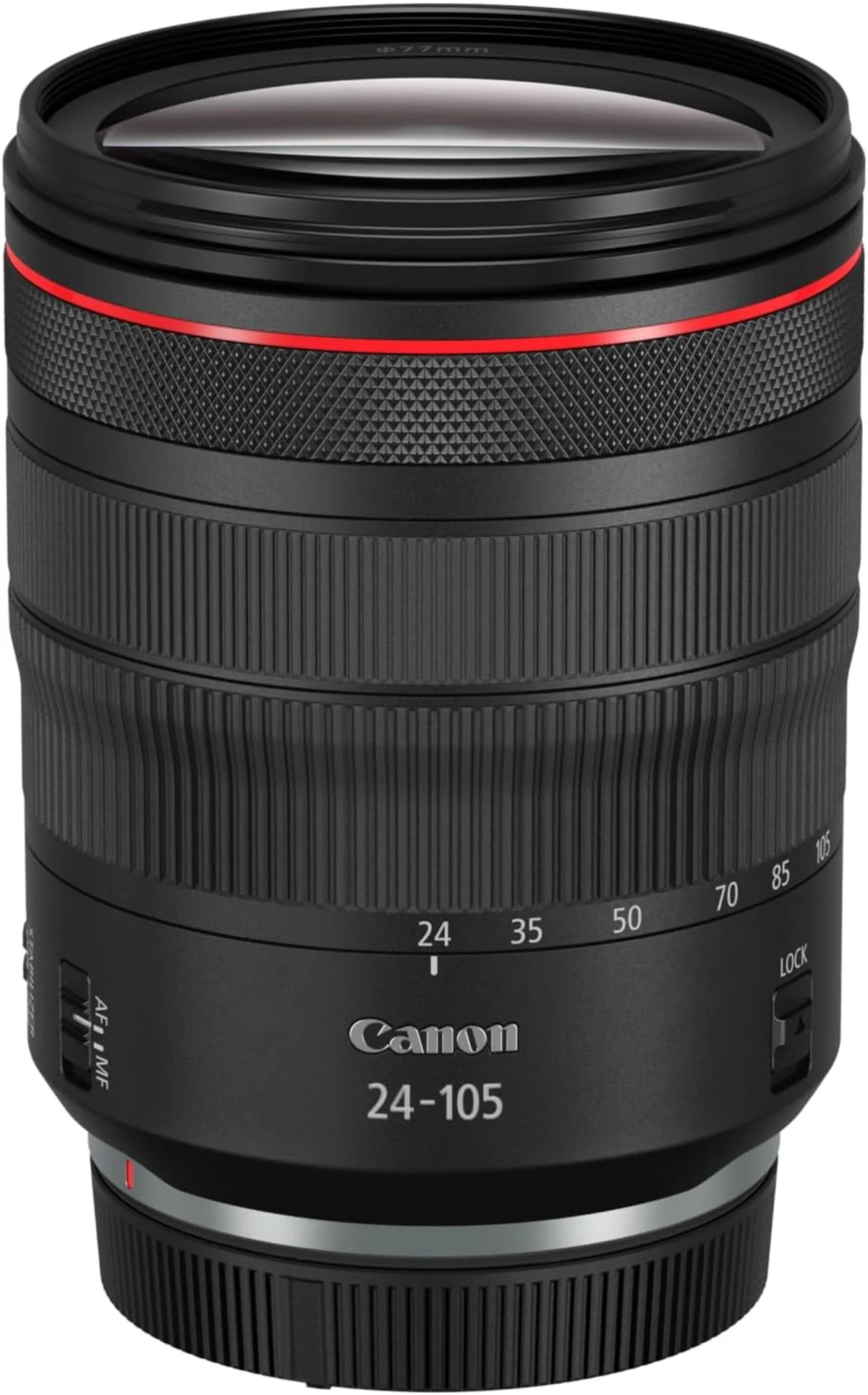
Focal Length: How Wide or Tight the View
Focal length, measured in millimeters, determines the angle of view. A 24mm lens captures a wide scene. A 200mm lens zooms into a small portion of that scene. The number itself represents the optical distance from the lens's principal point to the sensor when focused at infinity.
On full-frame cameras, the focal length directly corresponds to a specific field of view: 24mm captures roughly 84°, 50mm captures 46° (close to human eye perception), 200mm captures 12°. On APS-C crop-sensor cameras, multiply the focal length by 1.5x (Nikon, Sony) or 1.6x (Canon) to get the full-frame equivalent field of view. A 50mm lens on an APS-C body frames like a 75mm on full-frame.
Zoom lenses express focal length as a range (24-70mm, 100-400mm). The zoom ratio — the long end divided by the short end — tells you how much magnification range the lens covers. A 24-105mm is roughly 4.4x zoom. A 150-600mm is 4x. Higher zoom ratios generally mean more optical compromises, which is why 2-3x zooms (24-70mm, 70-200mm) tend to be sharper than 6x+ superzooms.
Aperture: Light and Depth
The f-number (f/1.4, f/2.8, f/4) describes the lens's maximum aperture — how wide the diaphragm opens. A lower f-number means a wider opening, more light reaching the sensor, and a shallower depth of field (thinner in-focus zone).
Each full stop change (f/1.4 → f/2 → f/2.8 → f/4 → f/5.6) halves the light. So f/1.4 gathers four times more light than f/2.8. This matters in two ways: low-light shooting (more light = lower ISO = cleaner images) and creative blur (wider aperture = more background separation).
The minimum aperture (f/16, f/22, f/32) tells you how far the lens can stop down. Most photographers rarely use apertures smaller than f/11 because diffraction (light bending around the small opening) starts reducing sharpness. The sweet spot for most lenses falls between f/5.6 and f/8, where optical aberrations are minimized but diffraction hasn't yet taken effect.
One spec manufacturers don't always highlight: the T-stop (transmission stop), which measures actual light transmitted through the lens rather than just the geometric aperture. A lens rated f/1.4 might transmit only T1.6 worth of light after losses through its glass elements. Our cinema lens roundup covers lenses where T-stop ratings matter most.
Optical Elements and Groups
"18 elements in 14 groups" tells you about the lens's internal complexity. An element is a single piece of glass. A group is one or more elements cemented together. More elements allow the designer to correct more optical aberrations — but each element introduces light loss and potential for internal reflections (flare).
Special element types indicate where the manufacturer invested in optical quality:
- ED (Extra-low Dispersion) / LD / SLD: Reduces chromatic aberration — the color fringing visible around high-contrast edges. More ED elements generally means cleaner color rendition.
- Aspherical: Elements with a non-spherical surface profile that correct spherical aberration and distortion more effectively than multiple standard elements could. Expensive to manufacture, which is why they appear in premium lenses.
- Fluorite: An exotic, low-dispersion material lighter than glass with excellent CA correction. Found primarily in premium telephoto lenses (Canon L-series, Nikon S-line). Fragile compared to glass — handle with care.
- Nano-coated / ARNEO / ASC: Anti-reflective coatings applied to element surfaces to reduce flare and ghosting. Multiple coating brands across manufacturers (Nikon Nano Crystal Coat, Canon Air Sphere Coating, Sony Nano AR Coating II) accomplish the same thing: keeping stray light from bouncing between elements.
Filter Size and Front Diameter
The filter thread size (67mm, 77mm, 82mm) determines which screw-on filters fit the lens front. Matching filter sizes across your lens collection saves money — one set of 77mm ND and polarizer filters works on every 77mm-threaded lens. Step-up rings let smaller-threaded lenses use larger filters, but not the reverse.
Front diameter also affects lens cap compatibility and lens hood attachment. Manufacturers typically include hoods with their lenses, but third-party hoods are available at lower cost. The hood's primary function is blocking stray light that causes flare — always shoot with it attached.
Weight and Dimensions
Weight specs matter more than most buyers expect. The difference between a 695g lens and a 1,430g lens doesn't seem like much on a spec sheet, but holding the heavier option at eye level for three hours changes the experience fundamentally. Always check weight against your shooting style: street and travel photographers feel every gram, while studio shooters working on a tripod barely notice.
Lens length affects balance on the camera body. A front-heavy lens with a short body tilts the camera forward, straining your wrist. Lens diameter determines bag compatibility — some f/1.2 primes are wide enough that they don't fit standard bag compartments designed for f/1.8 glass.
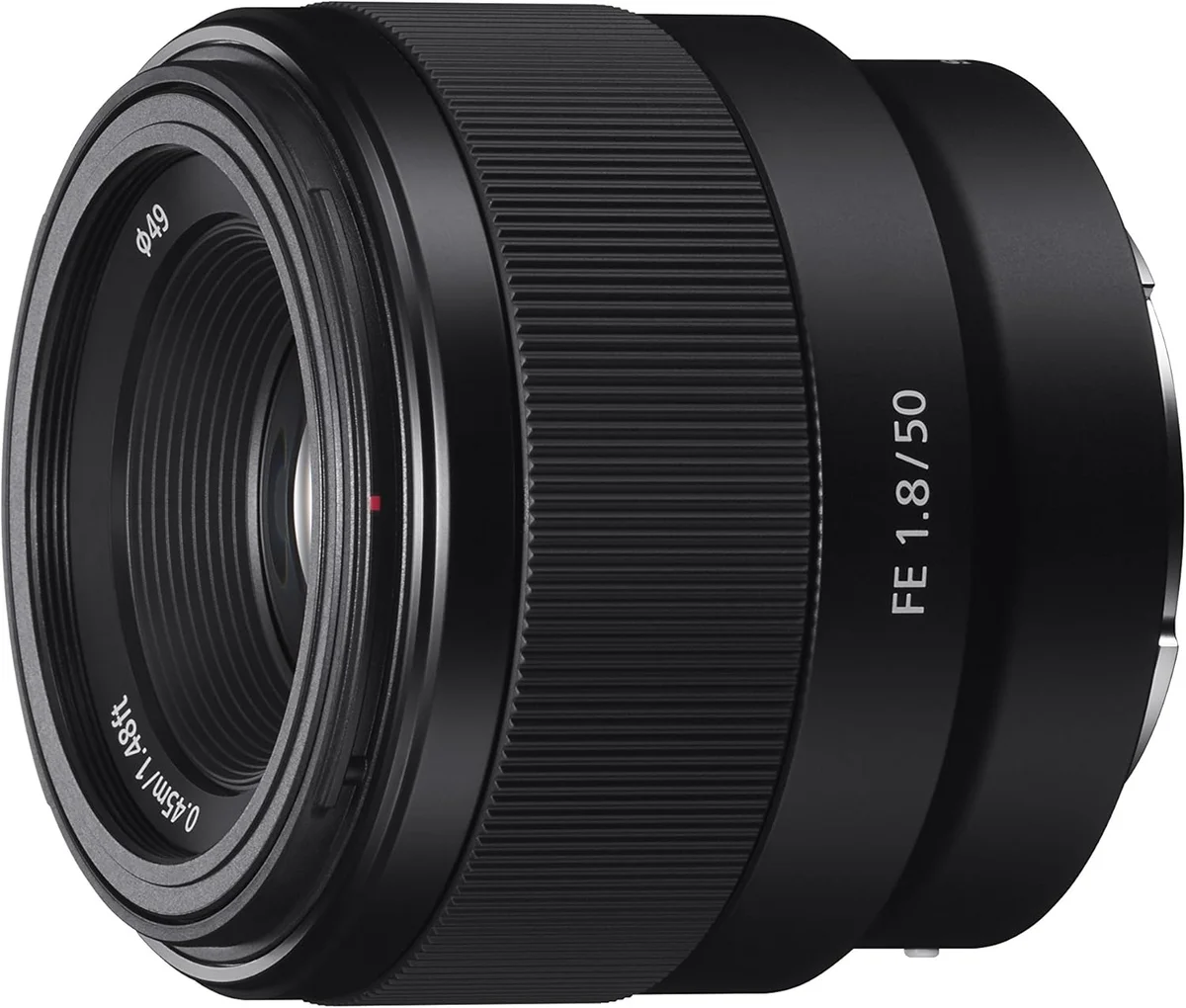
Autofocus Motor Type
The AF motor specification tells you about speed and noise — both of which vary by motor design:
- Canon: STM (quiet, smooth, video-friendly) vs USM (fast, powerful, sport-oriented) vs Nano USM (fast AND quiet — the best of both)
- Nikon: AF-S (Silent Wave Motor, fast) vs AF-P (Stepping Motor, quieter for video)
- Sony: Linear motor / XD Linear Motor (fast and quiet) — Sony's mirrorless lenses universally use linear motor designs
- Tamron: VXD (Voice-coil eXtreme-torque Drive, fast + quiet) — across their Di III lineup
- Sigma: HLA (High-response Linear Actuator) — in recent DN-series lenses
For photographers shooting only stills, any modern AF motor is sufficient. For hybrid photo/video shooters, quiet motor operation prevents AF noise from being recorded by the camera's microphone. If you shoot video, prioritize STM, Nano USM, VXD, or linear motor designs.
Image Stabilization Ratings
Stabilization is rated in "stops" — how many stops slower you can shoot compared to the hand-holding rule (1/focal length). A 5-stop IS rating at 100mm means you can theoretically shoot at 1/3 second handheld instead of 1/100s.
Manufacturer claims are measured under CIPA standards in controlled conditions. Real-world performance typically falls 1-2 stops below the claimed rating. A lens rated at 5 stops reliably delivers 3-4 stops in field conditions. Our Sony E-mount roundup compares OIS and IBIS performance across real lenses.
Minimum Focus Distance and Magnification
Minimum focus distance (MFD) tells you how close you can get to a subject while maintaining focus. A shorter MFD enables tighter framing of small subjects. The associated maximum magnification ratio (0.25x, 0.5x, 1.0x) describes how large the subject appears on the sensor relative to its real-world size.
A true macro lens achieves 1:1 (1.0x) magnification — a 10mm subject fills 10mm on the sensor. Most non-macro lenses max out at 0.15x to 0.3x magnification. "Macro" in a lens name doesn't always mean true macro — Canon's RF 85mm f/2 Macro achieves 0.5x (half life-size), which is useful but not the full 1:1 that dedicated macro lenses provide. Check the actual magnification number, not just the marketing label.
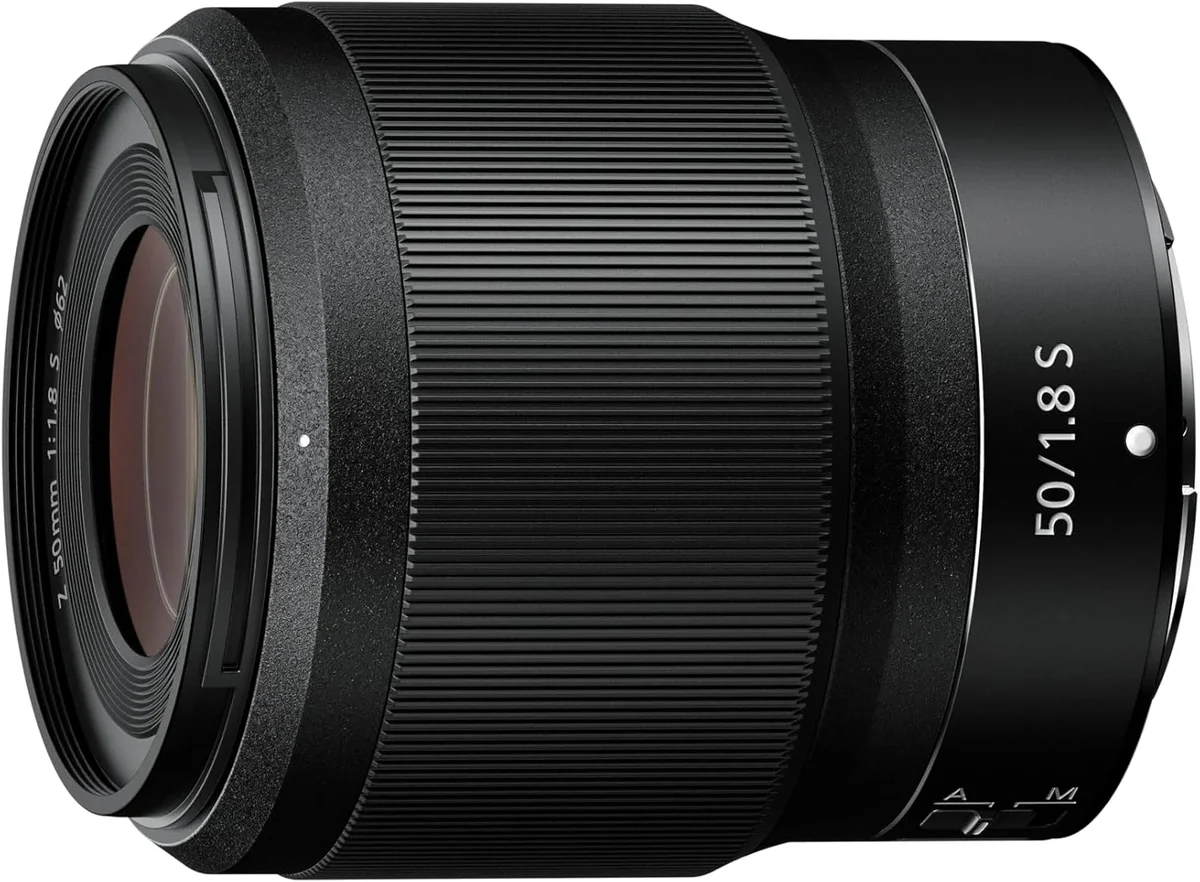
Weather Sealing and Build Quality
Weather sealing isn't a binary spec — it's a gradient. Manufacturers describe it as "dust and moisture resistant" rather than making waterproof claims, and the level of protection varies between product lines.
Canon L-series lenses use rubber gaskets at the lens mount, focus ring, zoom ring, and switch panel. Nikon S-line lenses offer similar sealing. Budget lenses from any manufacturer typically skip sealing entirely — no gaskets at the mount, no protection at the switches. The difference matters in light rain, dusty deserts, and humid tropical environments. It doesn't protect against submersion or sustained downpour.
Build material tells you less than you'd expect. Metal barrels feel premium but add weight. Polycarbonate (engineering plastic) barrels used in professional lenses like the Canon RF 24-105mm f/4L are lighter and nearly as durable. The mount material matters more — a brass mount ring resists wear from repeated lens changes better than aluminum or plastic equivalents.
Lens Coatings and Flare Resistance
Every glass-to-air surface inside a lens reflects a small percentage of light. With 18 elements, that's 36 surfaces producing potential reflections. Multi-layer coatings applied to each surface reduce these reflections from roughly 4% per surface to under 0.2%.
Modern premium coatings go further. Canon's Air Sphere Coating (ASC) uses nano-scale structures to prevent reflections at near-perpendicular angles — the type that causes ghosting from strong point light sources. Nikon's Nano Crystal Coat handles oblique-angle flare. Sony's Nano AR Coating II covers both angles. These coatings matter most for video shooters and anyone regularly shooting into backlight, streetlights, or sun flares.
One practical note: even the best coatings can't fix a dirty front element. A UV or clear filter protects the front element from fingerprints and spray without measurably affecting image quality. Clean glass with good coatings consistently outperforms premium coatings behind a smudged element.
Breathing, Parfocal, and Video-Specific Specs
Focus breathing — the slight change in framing as the lens racks focus — barely registers in still photography. In video, it's immediately visible and distracting. A lens that shifts from 70mm to an apparent 65mm as it pulls focus from infinity to close-up creates a subtle zoom effect mid-shot. Canon's newer RF lenses include electronic breathing compensation. Nikon's Z-mount lenses handle it in-body on compatible cameras.
Parfocal zoom lenses maintain focus at every focal length. Zoom from 24mm to 70mm and the subject stays sharp. Most photo zoom lenses are varifocal — they shift focus as you zoom and require re-focusing. True parfocal behavior is standard in cinema lenses, rare in photo lenses, and never listed on a spec sheet. You find out by testing or reading third-party reviews.
Other video-relevant specs that rarely appear in marketing: aperture ring clicklessness (smooth exposure pulls vs stepped clicks), focus throw (the rotation angle from close to infinity — longer throw = finer manual focus control), and front element rotation during focus (matters for polarizer and graduated filter users).
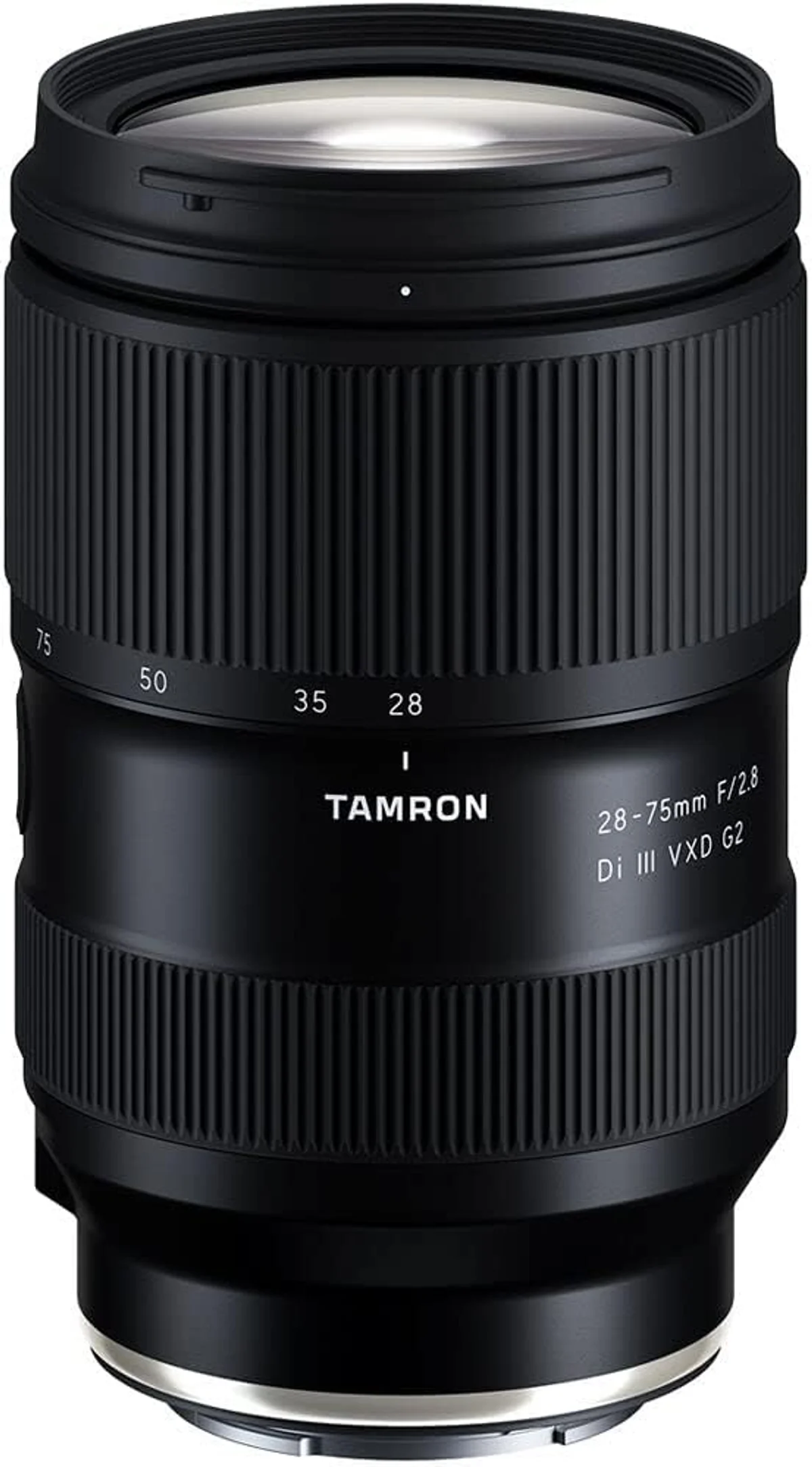
Specs That Matter Most by Shooting Style
Not every spec carries the same weight for every photographer. The table below distills priorities by shooting discipline:
- Portraits: Maximum aperture (f/1.2-1.8 for subject separation), aperture blade count (9+ for circular bokeh discs), and minimum focus distance (determines how tight you can frame a headshot). Weight matters less — portrait sessions are short and often tripod-mounted.
- Wildlife and sports: Focal length (reach determines what you can shoot), maximum aperture (drives AF speed in low light and enables faster shutter speeds), IS rating (keeps 400mm+ handheld shots sharp), and AF motor type (tracking speed separates keepers from near-misses). Weight tolerance is higher — wildlife shooters accept heavy glass for the reach.
- Travel: Weight dominates every other consideration. Zoom range determines how many lenses you carry (a single 24-105mm vs a three-lens kit). Weather sealing matters in unpredictable climates. Filter thread size consistency across your kit saves space and money.
- Video and hybrid: AF motor noise level (will the mic pick it up?), IS video mode effectiveness, breathing behavior (visible in focus pulls), and aperture ring design (clickless for smooth exposure transitions). Focus throw and parfocal behavior separate video-ready lenses from stills lenses pressed into video service.
- Studio and product: Minimum focus distance and magnification (how small can you shoot?), sharpness at working apertures (f/8-11 for maximum depth), and distortion profile (rectilinear for architecture and product work). Weight and weather sealing are irrelevant indoors.
The pattern is clear: identify your primary shooting discipline, prioritize those 3-4 specs, and treat everything else as secondary. A 400mm telephoto optimized for weight is a bad wildlife lens. A cinema-grade prime optimized for video specs is overkill for studio product photography. Match the spec priorities to the work.
Lens Spec Questions
Answers to common questions about reading and interpreting camera lens specifications.
What does the "L" mean in Canon lens names?
L stands for "Luxury" and designates Canon's professional-grade lens line. L-series lenses feature weather sealing, premium optical elements (fluorite, UD glass), faster AF motors, and superior build quality. They carry a red ring on the barrel. The L designation has no equivalent number — it's a product tier indicator, not a specification.
What is the difference between full-frame and APS-C lenses?
Full-frame lenses project an image circle large enough to cover a full-frame sensor (36x24mm). APS-C lenses project a smaller image circle sized for crop sensors (roughly 24x16mm). You can use full-frame lenses on APS-C bodies (the sensor uses the center of the image). Using APS-C lenses on full-frame bodies causes heavy vignetting or black corners, though some bodies offer a crop mode.
Does more lens elements mean better quality?
Not necessarily. More elements can correct more aberrations, but each element adds potential for light loss and internal reflections. Simple designs (7-8 elements) like 50mm primes transmit more light and often produce better contrast than complex zooms (18-22 elements). The quality of elements matters more than the quantity — one ED or aspherical element can correct aberrations that would otherwise require three standard elements.
What does "STM" vs "USM" vs "VXD" mean?
These are autofocus motor designations. STM (Stepping Motor, Canon) is quiet and smooth, ideal for video. USM (Ultrasonic Motor, Canon) is fast and powerful, preferred for sports and action. VXD (Voice-coil eXtreme-torque Drive, Tamron) combines speed with quiet operation. Each manufacturer uses different acronyms for similar motor technologies.
Why do some zoom lenses say "f/3.5-5.6"?
This indicates a variable maximum aperture. At the widest focal length, the lens opens to f/3.5. At the longest focal length, the maximum aperture narrows to f/5.6. Variable aperture zooms are lighter and cheaper than constant-aperture zooms (like f/2.8 across the entire range). The exposure changes as you zoom, which auto-exposure handles but manual exposure must account for.
Is a lens with more aperture blades better?
More blades (typically 9 or 11) produce rounder aperture openings at stopped-down settings, which creates more circular out-of-focus highlights (bokeh). Fewer blades (5-7) produce pentagonal or hexagonal bokeh shapes. For portraits and creative photography where bokeh quality matters, 9+ blades is preferred. For general photography and smaller apertures, blade count is less noticeable.
Our Top Recommendation
Based on our research, the Canon RF 24-105mm f/4L is our top pick — professional all-purpose shooting, travel, and events.